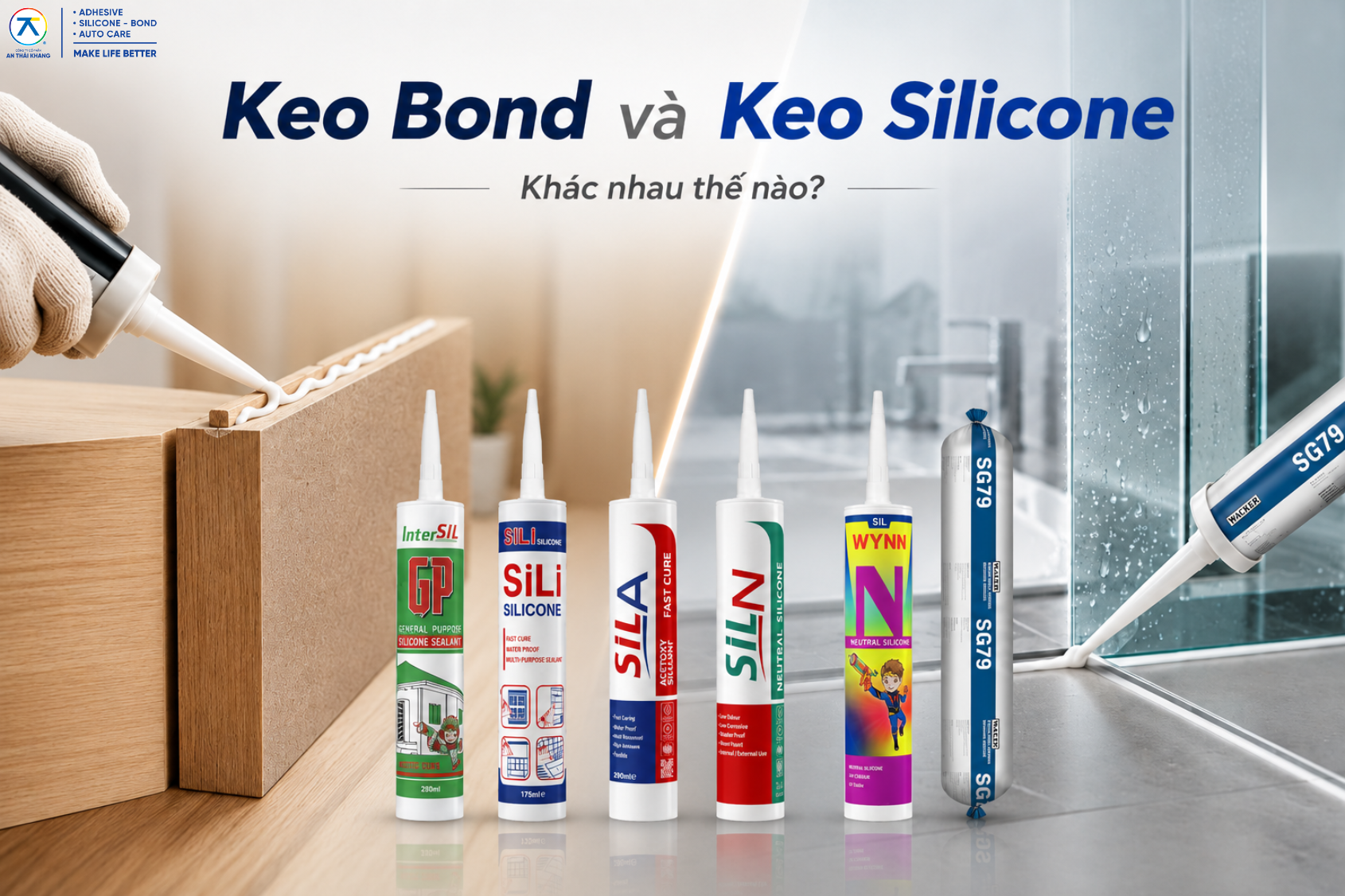

Moisture- and Mold-Resistant Tile Grouting for Kitchens and Bathrooms
Proper tile grouting helps keep kitchen and bathroom tile joints clean and neat, while reducing water seepage and mold growth. Learn how to use SIL E Tile Grout to seal tile joints for a more durable and aesthetically pleasing finish.
1. Why is tile grouting necessary for kitchens and bathrooms?
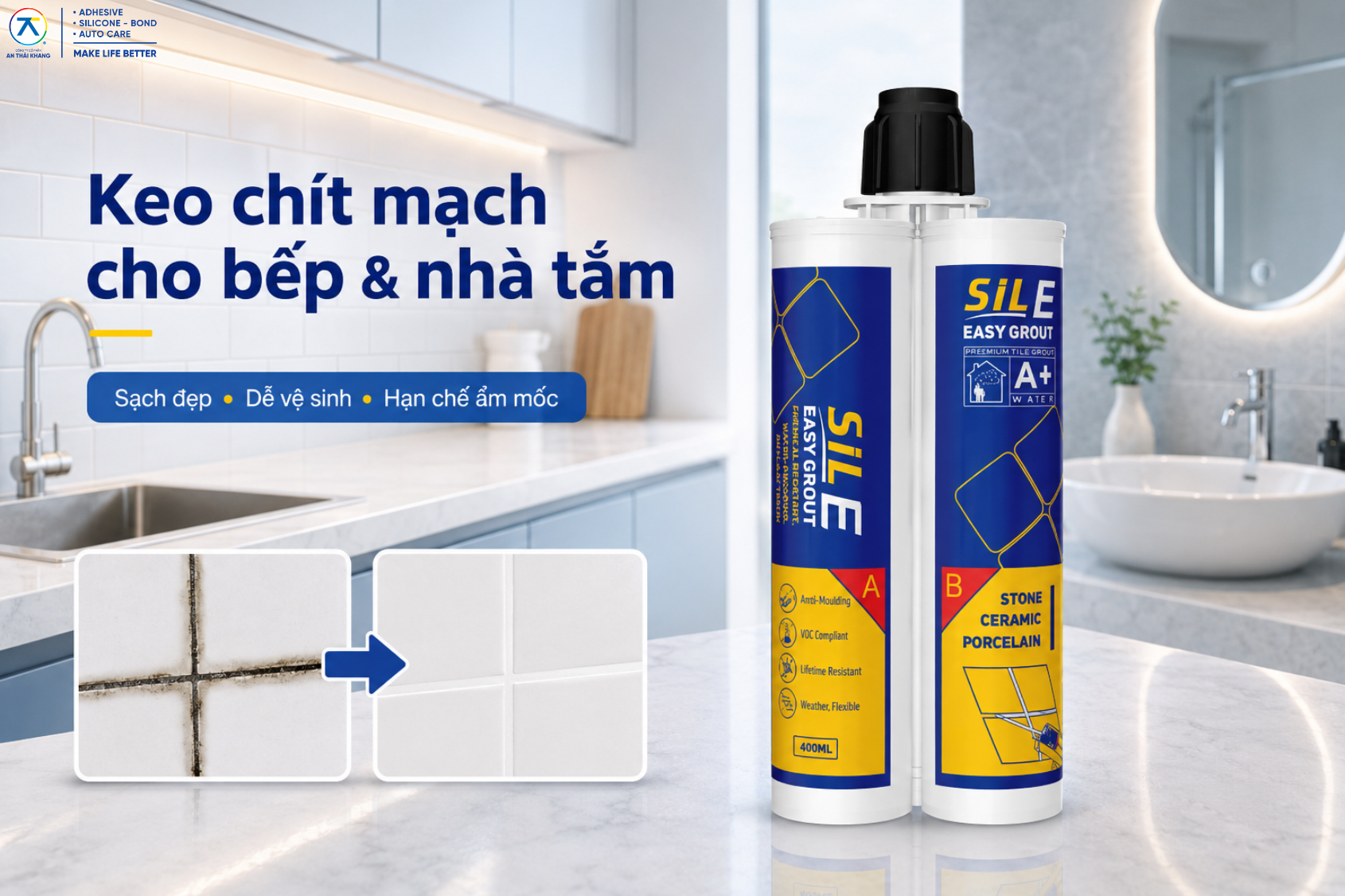
Kitchens and bathrooms are two areas that are frequently exposed to water, moisture, grease, and dirt. After a period of use, tile joints may become dark, stained, slightly cracked, or affected by mold. This not only reduces the appearance of the space but also makes cleaning more difficult.
Tile grouting is the process of filling the gaps between tiles, helping the surface look more even, clean, and well-finished. When tile joints are properly sealed, water and dirt are less likely to penetrate beneath the surface, helping reduce mold, discoloration, and peeling around the grout lines.
For areas such as kitchen wall edges, lavabo edges, bathroom floors, or wall tile joints, choosing the right grout helps make the grout lines more durable, easier to clean, and better able to maintain a neat appearance in the living space.
2. SIL E Tile Grout is suitable for sealing kitchen and bathroom tile joints
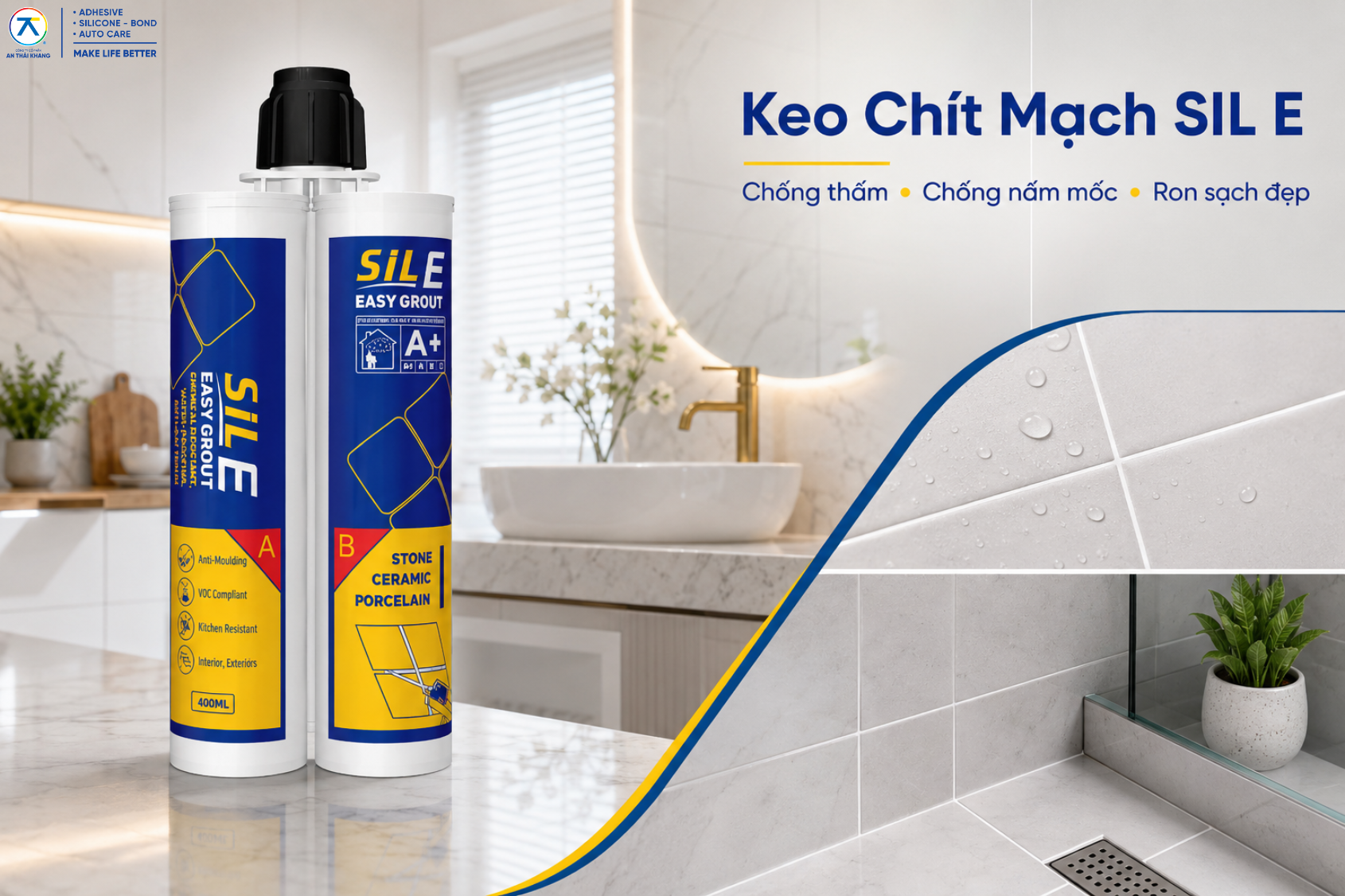
SIL E Tile Grout is a two-component, high-tech polymer-based grout designed to seal tile and stone joints in interior projects. The product offers mold resistance, waterproofing ability, and a smooth, glossy finish, making it suitable for areas that require cleanliness and aesthetics, such as kitchens, bathrooms, tiled floors, and tiled walls.
For indoor tile grouting needs, the product helps create grout lines that are even, smooth, and more color-stable over time. In addition to its technical performance, its diverse color options also make it easier for users to match different types of tiles, from neutral tiles to premium decorative surfaces.
For kitchens and bathrooms, a grout product with waterproof, mold-resistant, and easy-to-clean properties helps keep the space cleaner and more hygienic.
See An Thái Khang’s SIL E Tile Grout here.
3. How to seal kitchen and bathroom tile joints to reduce mold
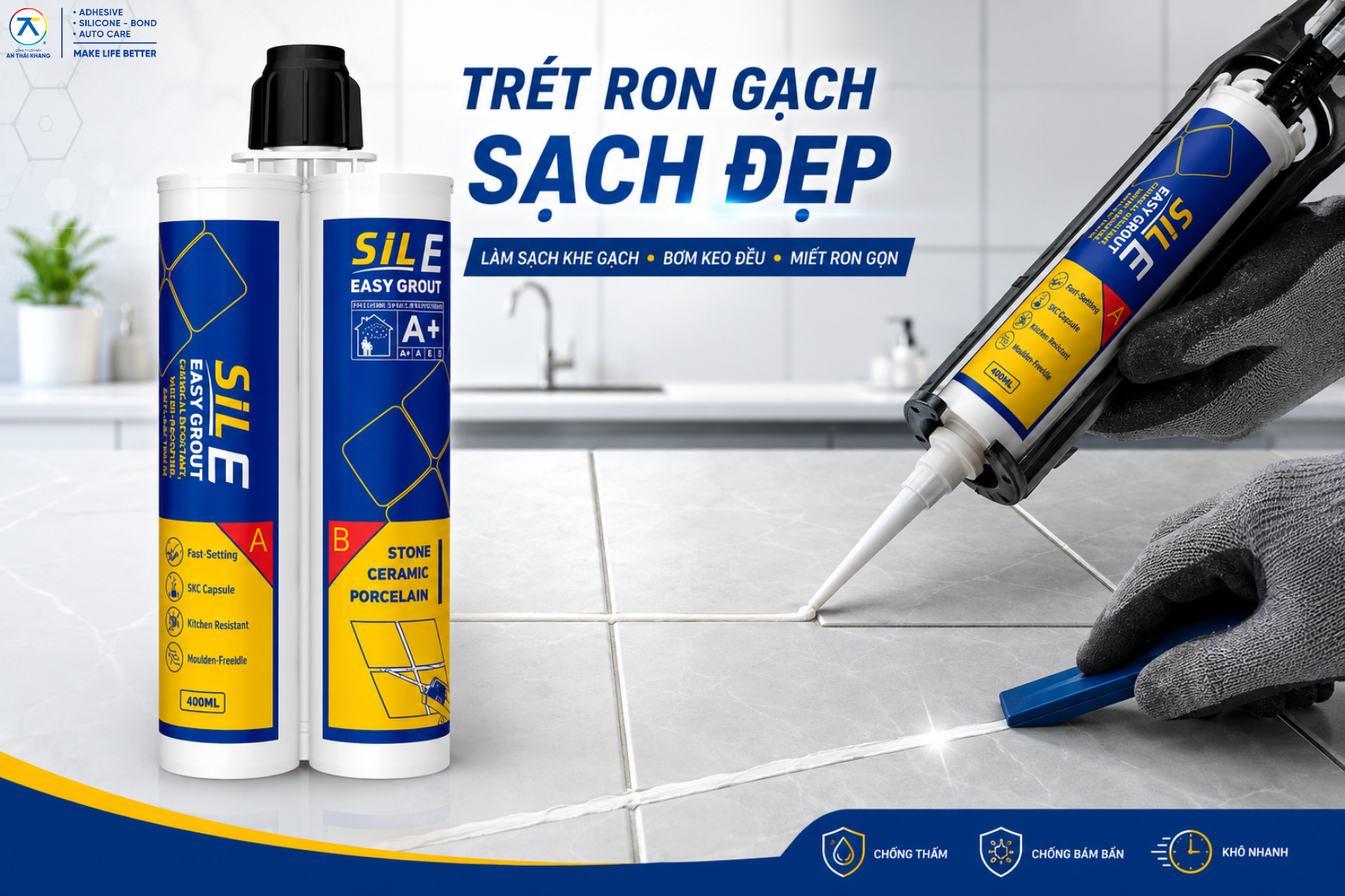
To achieve good tile grouting results, users need to prepare the surface carefully before application. Tile joints must be dry, clean, and free from grease, dust, dirt, or standing water. This is an important step because if the surface is still damp or dirty, the grout may not adhere well and may not achieve the desired durability.
3.1. Clean the tile joints before grouting
Before application, dust, residue, or old deteriorated grout should be removed. For kitchen joints, grease around the area to be sealed should be wiped clean. For bathroom joints, the surface must be dry, with no standing water remaining inside the joints.
According to An Thái Khang’s instructions, the gaps between tiles must be completely cleaned and free from moisture, dust, or small particles before application.
3.2. Apply the grout and smooth the grout lines evenly
After surface preparation, place the two-component grout cartridge into a specialized caulking gun, then apply the grout along the gaps between the tiles. Next, use a grout finishing tool or a rubber scraper to smooth the grout evenly so it fully fills the tile joints. Excess grout should be removed before it dries completely to create cleaner and neater grout lines.
After smoothing the grout lines, the surface can be gently wiped with a damp cloth to make the grout lines smoother and glossier. This step helps create a clean, even finish and reduces grout smears on the tile surface.
4. Areas that should be grouted in kitchens and bathrooms
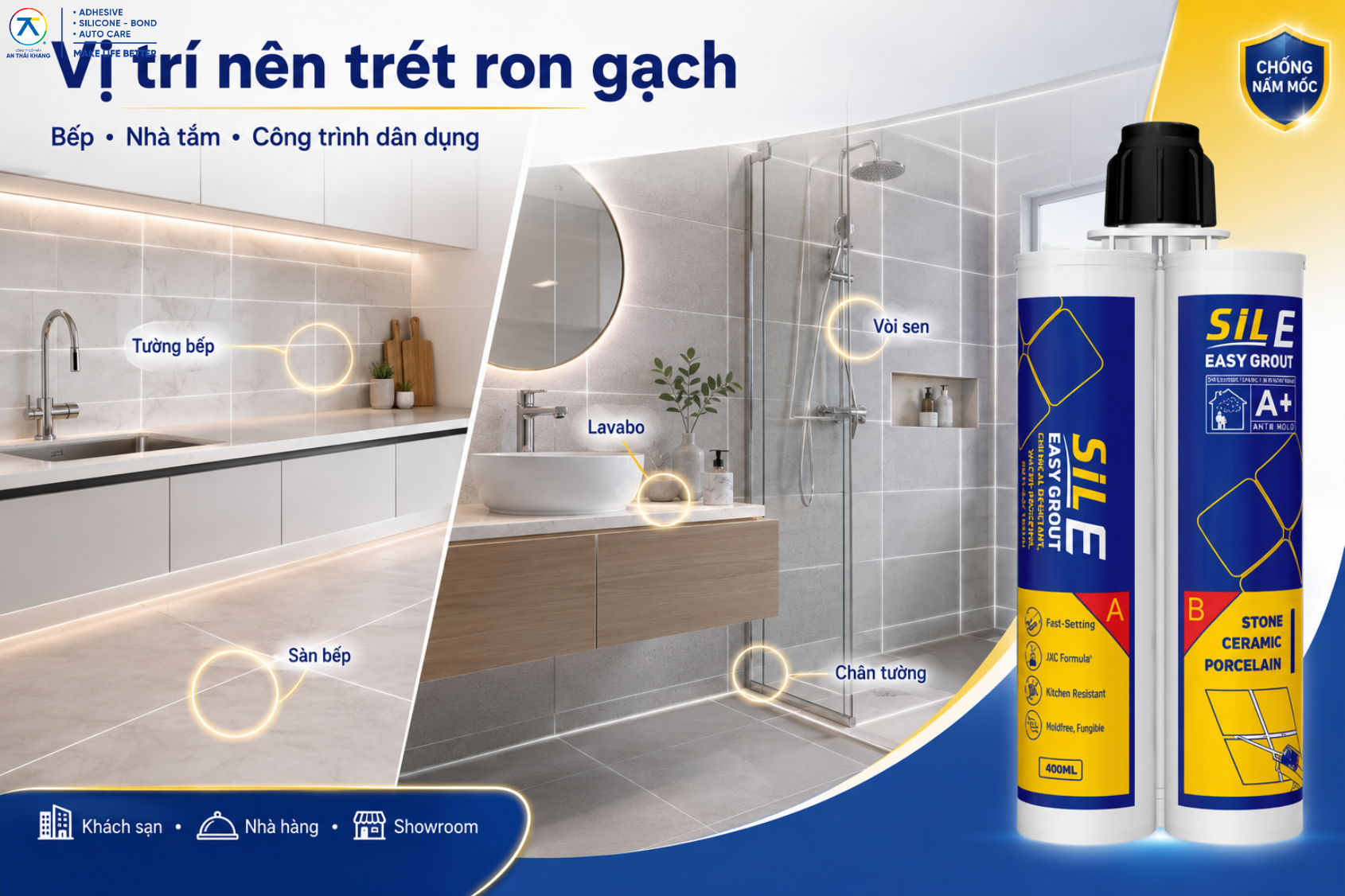
In the kitchen area, users should pay attention to tile joints on kitchen walls, floors, areas near the sink, wall edges, or places that easily collect grease. These areas are frequently exposed to water and dirt, so the grout lines can easily become discolored if they are not properly treated.
In bathrooms, areas that should be carefully sealed include tiled floors, tiled walls, wall-floor edges, areas near the lavabo, areas near the shower, or tile joints frequently exposed to moisture. When grout lines are sealed properly, the surface becomes easier to clean and helps reduce water penetration into the joints.
In addition to residential spaces, SIL E Tile Grout can also be used for living rooms, kitchens, bathrooms, stone cladding, premium ceramic tiles, hotels, restaurants, showrooms, and civil construction projects that require clean, attractive, and mold-resistant surfaces.
5. Notes for durable and beautiful tile grouting
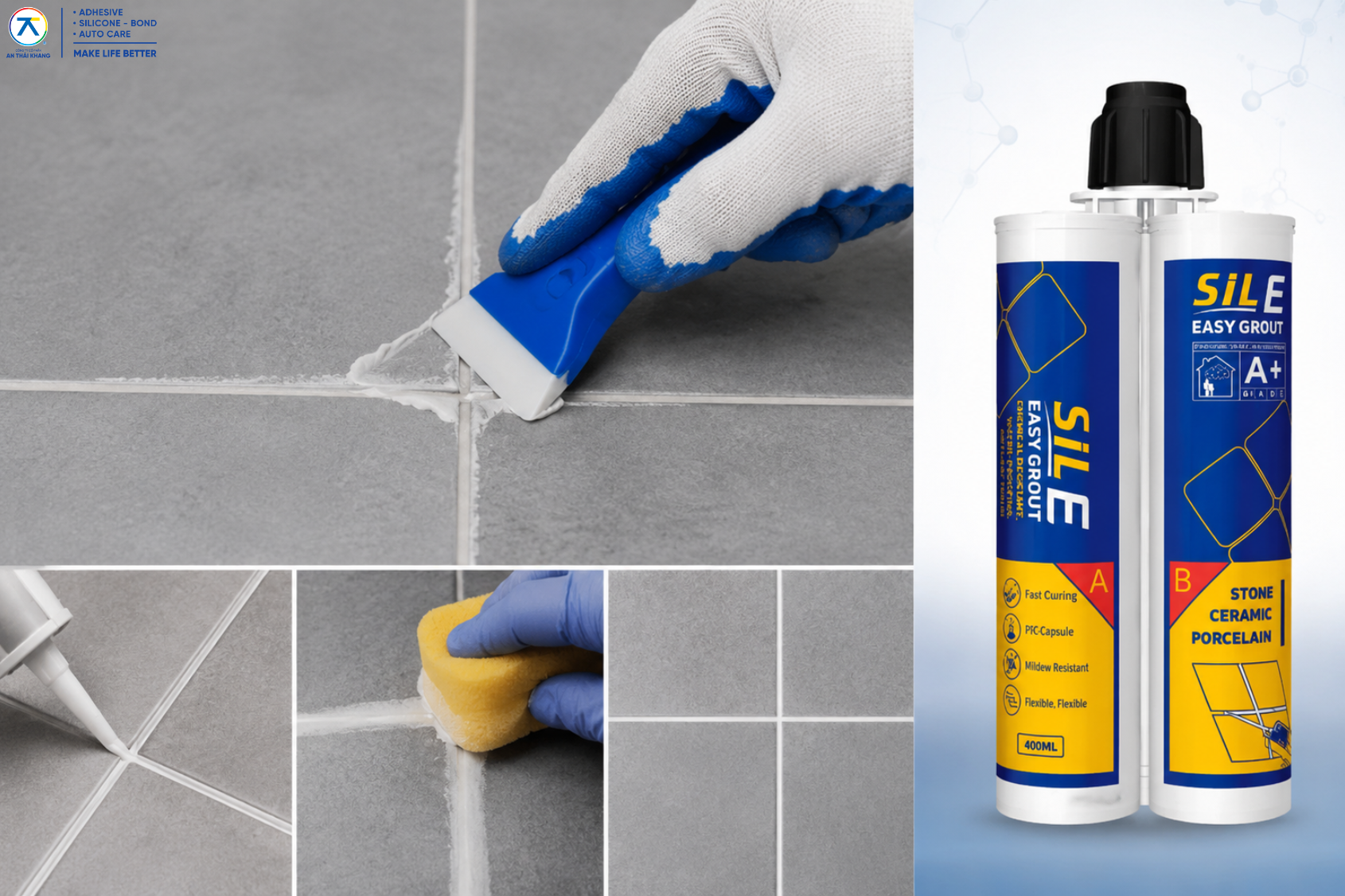
When grouting tiles, users should not apply the product on wet or greasy surfaces. For tile joints in kitchens and bathrooms, it is important to spend enough time cleaning the surface thoroughly before applying grout. If the grout line is too thick or there is too much excess grout, it should be cleaned early to avoid difficulty after the grout dries.
The suitable application temperature for the product is from +5°C to +45°C. During application, users should wear gloves and a mask, and work in a well-ventilated area. The product should also be stored in a dry, cool, and well-ventilated place, away from direct sunlight, heat sources, or open flames.
6. Conclusion
Tile grouting is an important step that helps keep kitchens and bathrooms clean and attractive, reduces water seepage into tile joints, and lowers the risk of mold growth. To achieve durable, smooth, and easy-to-clean grout lines, users should clean the surface thoroughly, choose the right grout, and apply it properly.
SIL E Tile Grout is a suitable choice for sealing tile and stone joints in interior spaces, especially in areas that require waterproofing, mold resistance, and long-lasting aesthetics. When used according to the instructions, the product helps create more even and beautiful tile joints, contributing to a cleaner, more durable, and better-finished kitchen and bathroom space.
AN THAI KHANG JSC
- • Fanpage: An Thái Khang JSC
- • Hotline: 0764 644 245
- • Email: support@anthaikhang.com
- • Website: https://anthaikhang.com/