
What to Do If Your Hands Get Stuck with P-6000 Super Strong Multipurpose Adhesive?
Got P-6000 multipurpose adhesive on your hands? Don’t worry! Simple, safe, and effective ways to remove adhesive at home are right below.

1. Introduction to P-6000 Multipurpose Adhesive
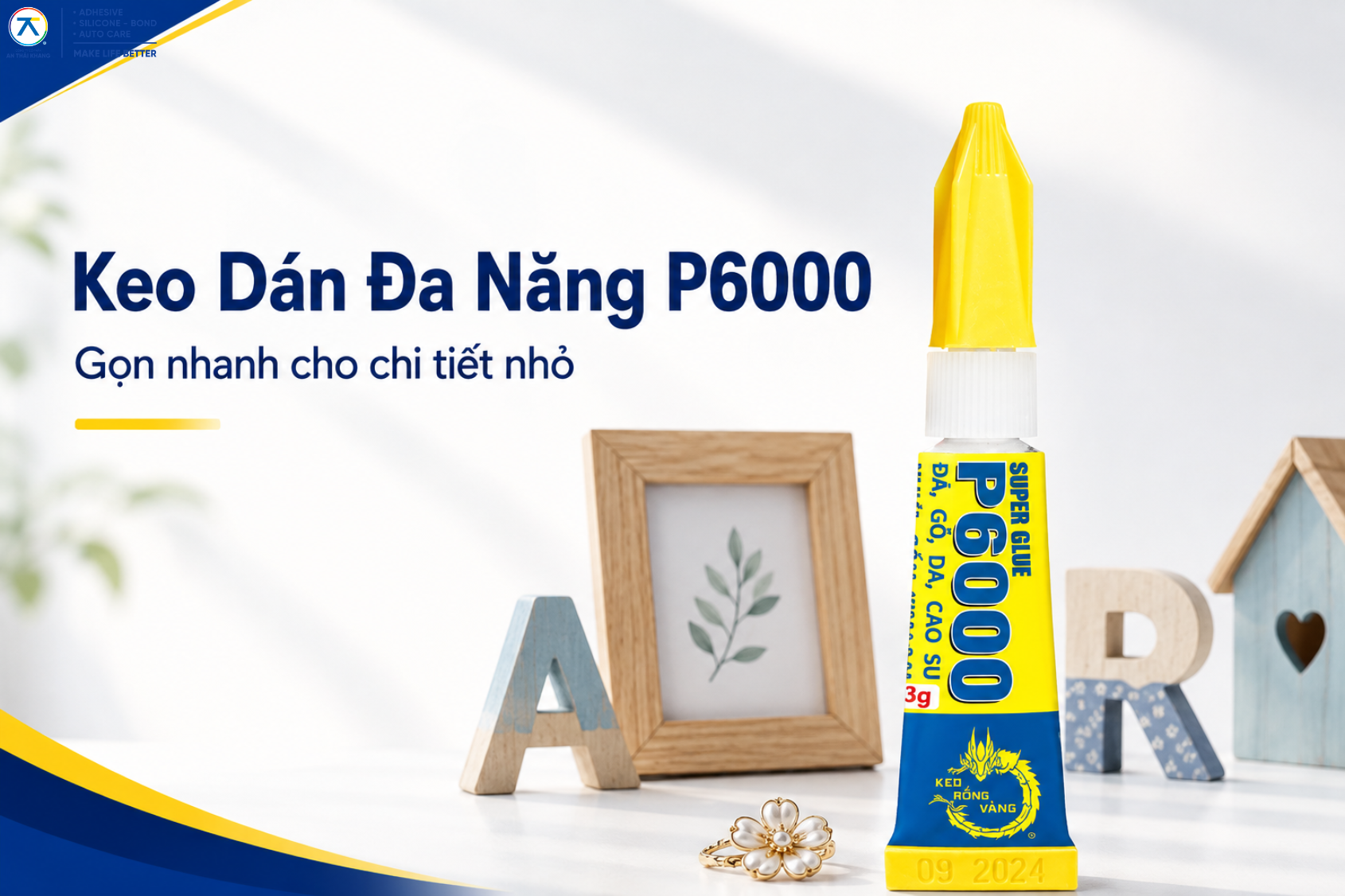
P-6000 multipurpose adhesive is a specialized adhesive widely trusted by households, repair technicians, and workshops. With its super-strong bonding ability, it adheres well to many materials such as metal, plastic, rubber, wood, ceramic, leather, and more.
However, due to its high bonding strength, if the adhesive accidentally sticks to your hands, removing it can be difficult.
Don’t worry! Let An Thai Khang share safe and effective tips to remove adhesive at home.
2. Why Is P-6000 Adhesive Hard to Remove from Skin?
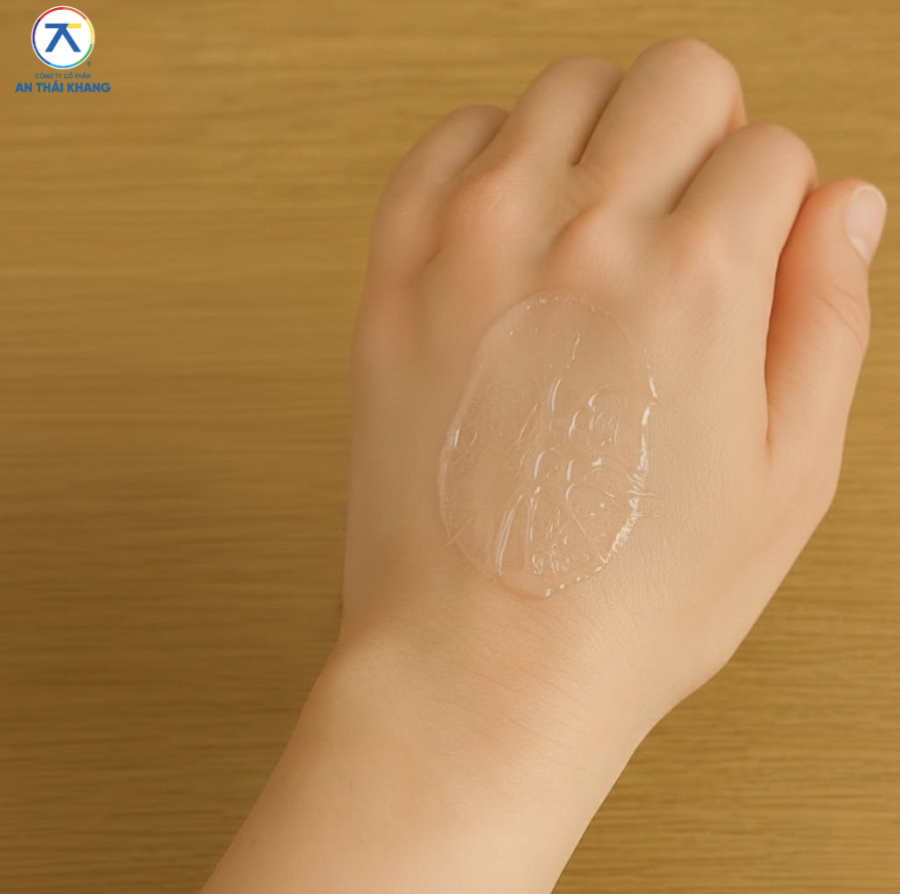
The adhesive contains rubber-based components and strong solvents, creating very strong bonds.
When it comes into contact with skin, it dries quickly and sticks firmly, causing discomfort if handled incorrectly.
Rubbing forcefully increases friction, making the adhesive stick deeper and potentially causing skin irritation or scratches
3. 5 Ways to Remove P-6000 Adhesive from Skin
3.1. Use cooking oil or coconut oil
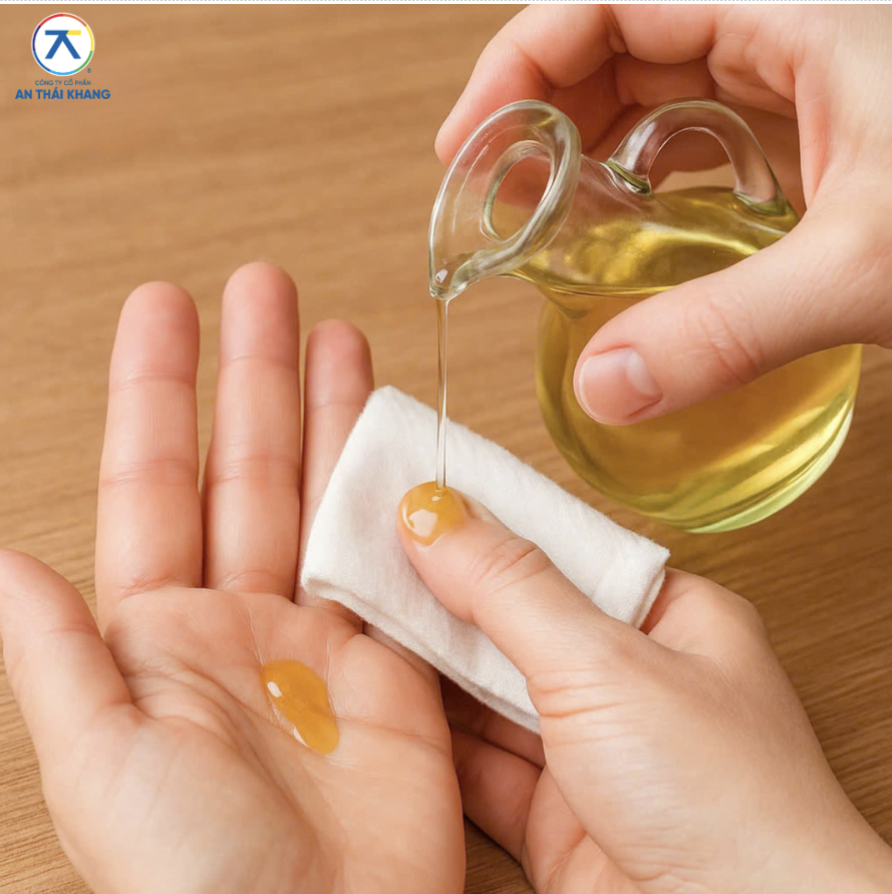
Apply cooking oil or coconut oil directly to the adhesive area.
Gently massage for 2–3 minutes to soften the adhesive.
Wipe with a dry cloth, then wash with warm water and soap.
Tip: Oil helps soften the adhesive and break the bond without drying the skin.
3.2. Use acetone-based nail polish remover
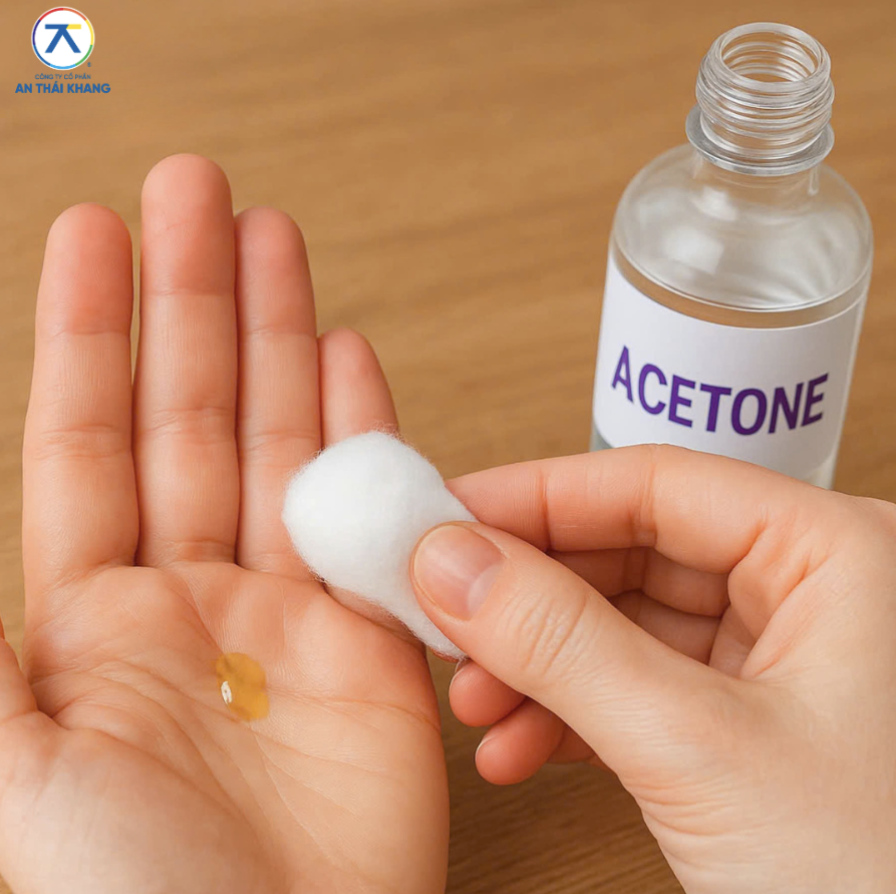
Soak a cotton pad with acetone.
Gently dab on the adhesive area for 30 seconds to 1 minute, then wipe clean.
Do not use it on open wounds or sensitive skin.
Tip: Acetone dissolves adhesive quickly but should be used carefully to avoid irritation.
3.3. Soak hands in warm soapy water
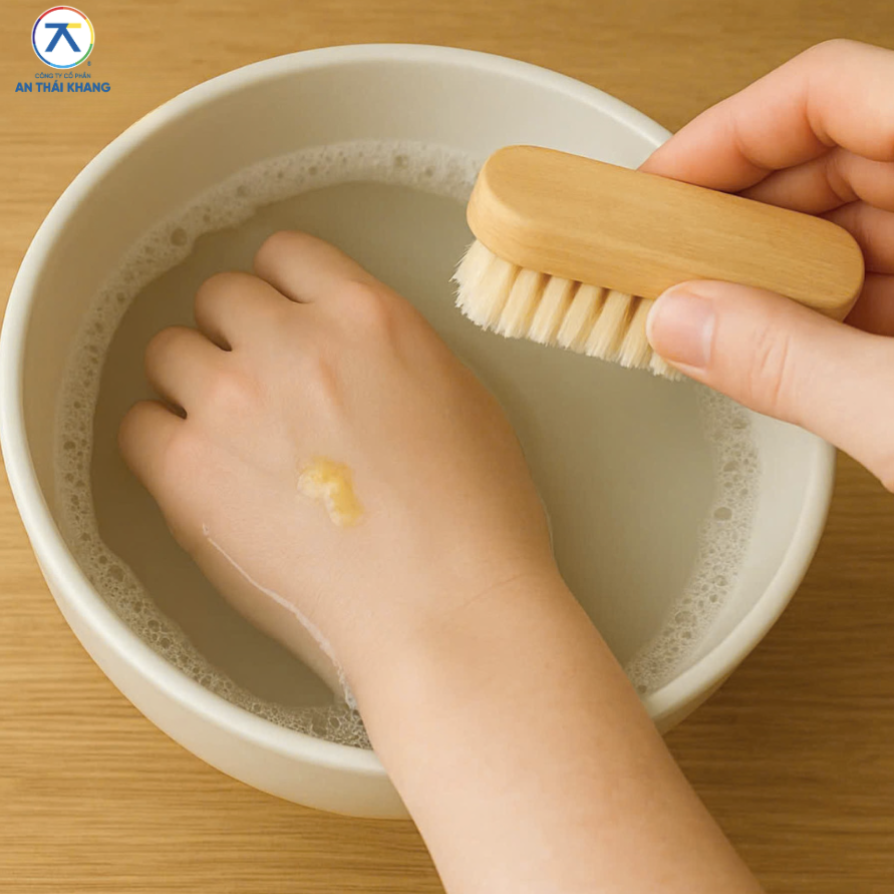
Prepare a bowl of warm water with a small amount of soap or body wash.
Soak hands for 5–10 minutes to soften the adhesive.
Gently scrub with a soft brush until the adhesive loosens.
Best for thin or lightly bonded adhesive layers.
3.4. Use exfoliating cream or sea salt
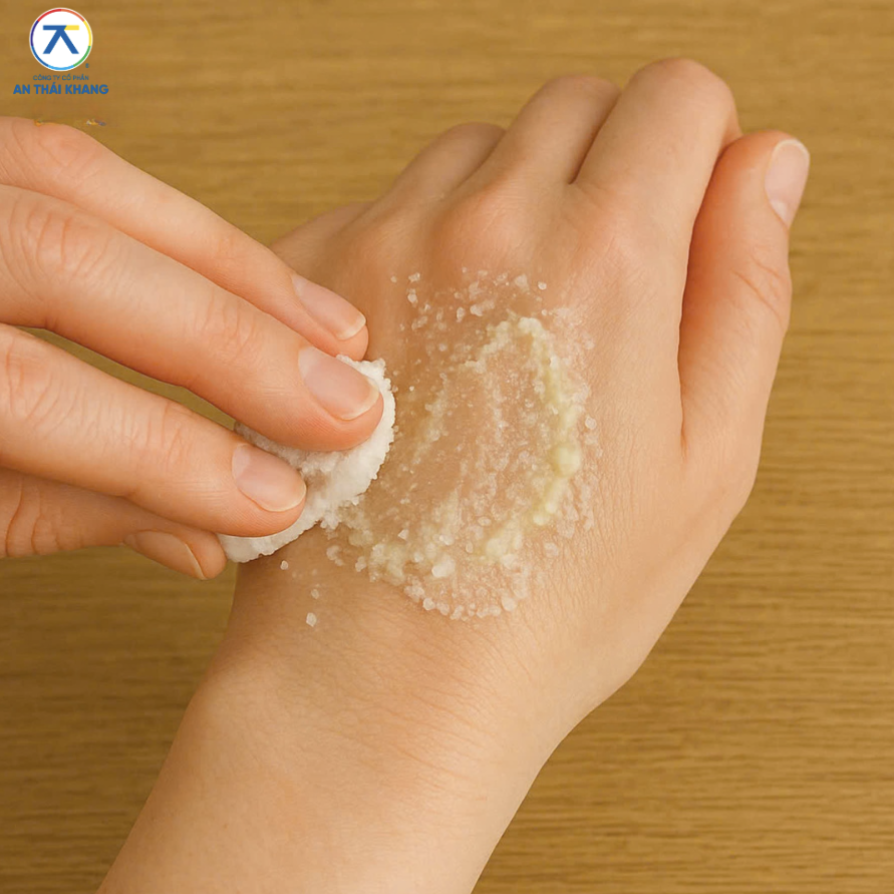
Mix sea salt with a small amount of oil or hand cream.
Apply to the adhesive area and rub gently in circular motions.
Rinse with clean water and dry your hands.
This method helps remove adhesive while keeping hands smooth.
3.5. Use baking soda and warm water
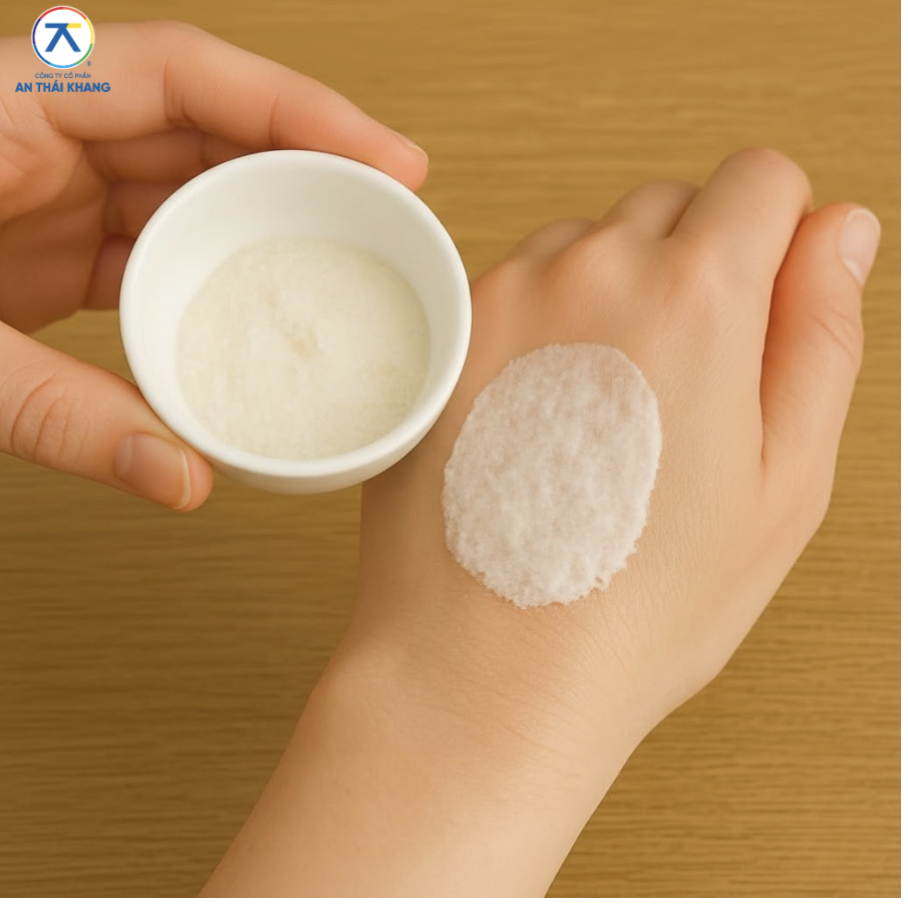
Mix 1 tablespoon of baking soda with 2 tablespoons of warm water to form a paste.
Apply to the adhesive area and leave for 3–5 minutes.
Gently scrub with a soft cloth or soft-bristle brush until the adhesive comes off.
Rinse with clean water and apply moisturizer to soothe the skin.
Tip: Baking soda has mild alkaline properties that help break down adhesive bonds while being gentle on skin.
4. Safety Notes When Using P-6000 Adhesive
If adhesive gets into the eyes, mouth, or sensitive areas, rinse immediately with clean water and seek medical attention.
Do not use sharp tools or blades to scrape adhesive off skin, as this can cause injury or infection.
Always wear protective gloves when using adhesive and keep it out of reach of children.
5. Conclusion
With simple household items like cooking oil, acetone, or sea salt, you can safely and easily remove P-6000 multipurpose adhesive from your hands. Always handle adhesive carefully and store it properly to avoid accidents.
AN THAI KHANG JSC
- • Fanpage: An Thái Khang JSC
- • Hotline: 0764 644 245
- • Email: support@anthaikhang.com
- • Website: https://anthaikhang.com/