
How Are Bond Adhesive and Silicone Sealant Different?
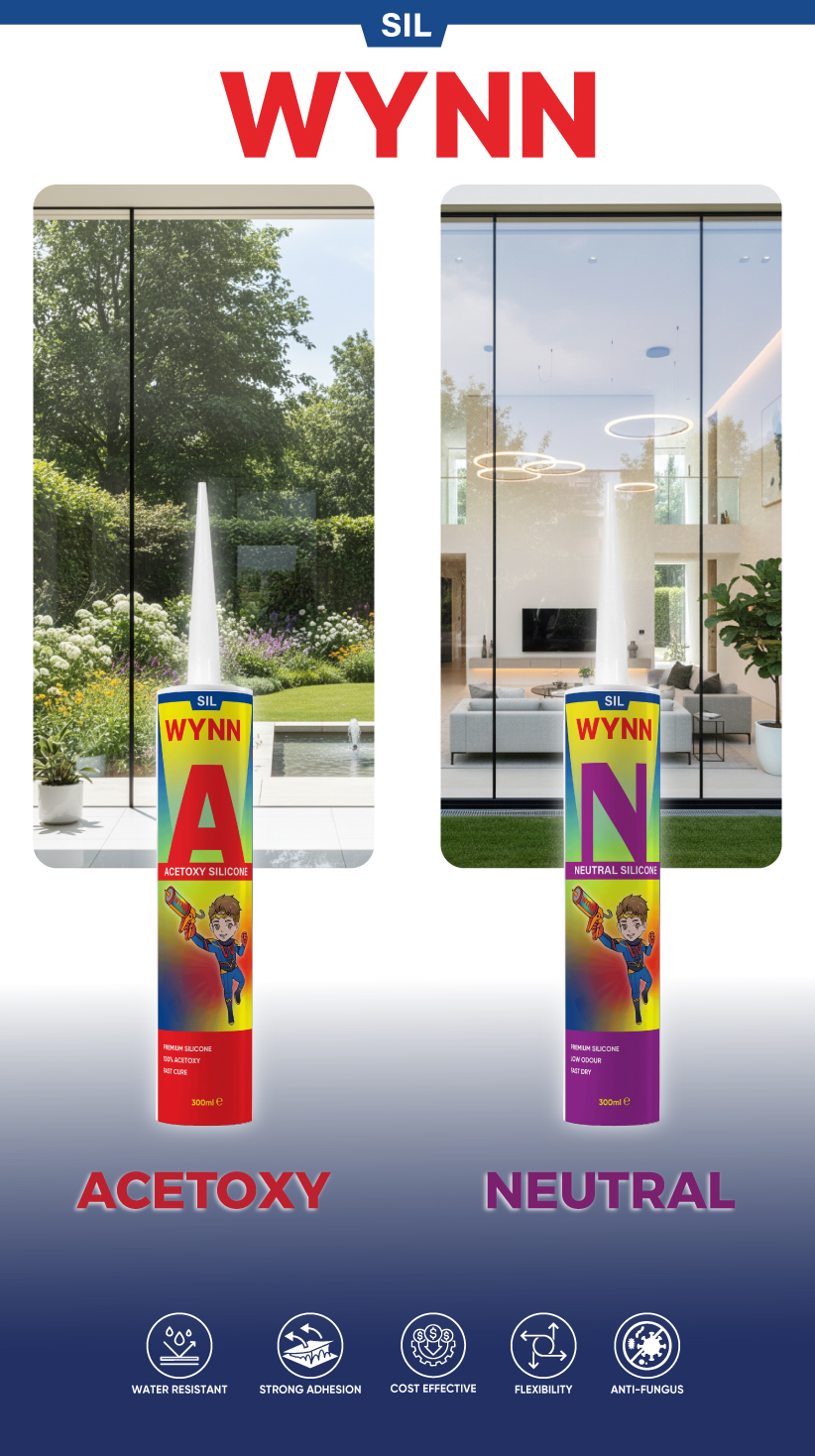
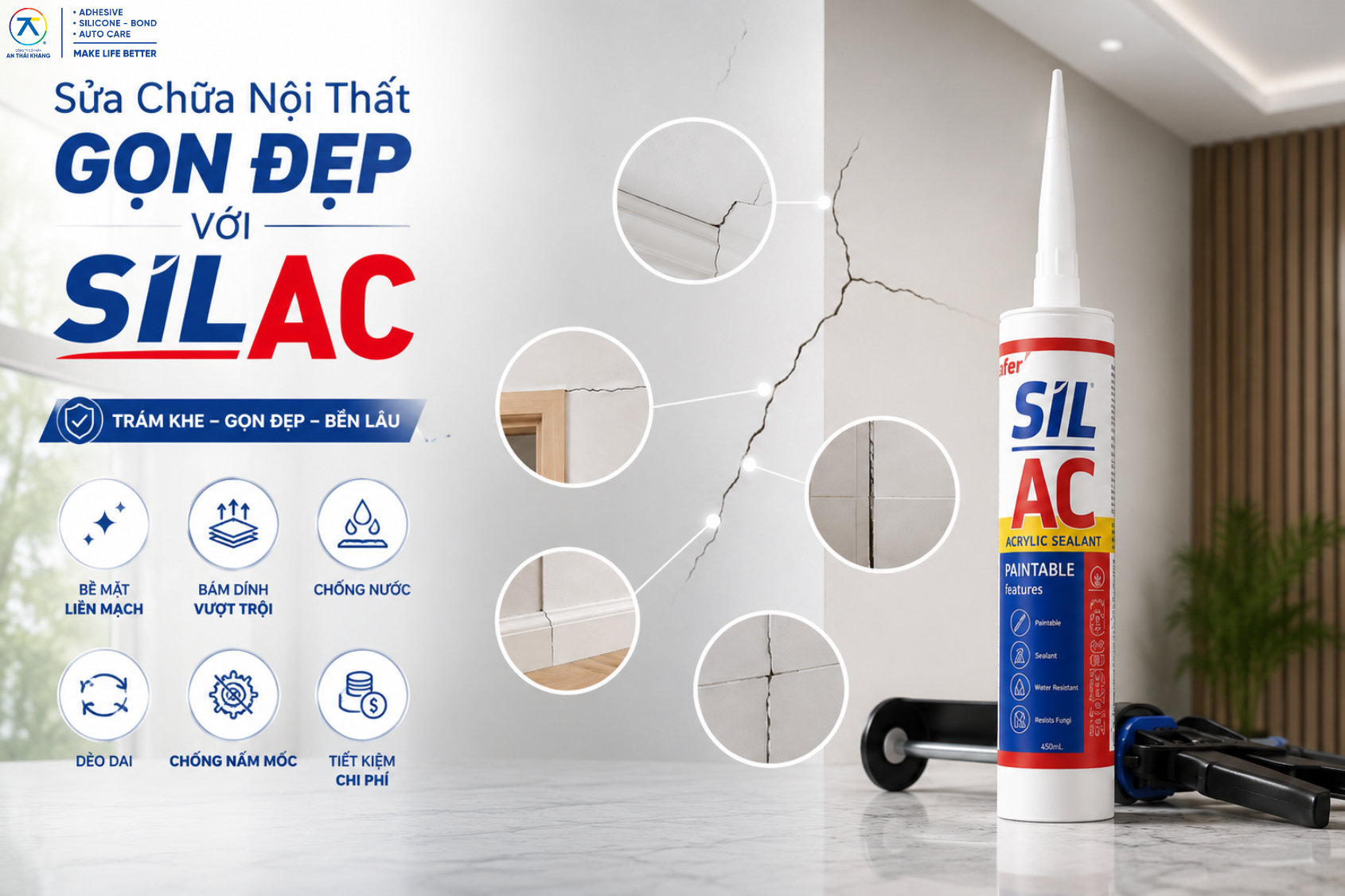
Bond adhesive and Silicone sealant both provide adhesion, but they are designed for different applications. Learn the key differences, functions, and how to choose the right Silicone sealant for sealing joints and supporting waterproofing.
Not every adhesive is suitable for every application. For areas that require gap sealing, joint treatment, protection against water ingress, or continued flexibility after curing, Silicone sealant is a suitable and versatile option.
Unlike Bond adhesives, which generally focus more on firmly joining and bonding two materials together, Silicone sealants are designed for areas that require both surface adhesion and a flexible sealing line.
Thanks to these characteristics, Silicone is widely used for a variety of applications, from joints and edges to surfaces frequently exposed to moisture or minor movement during use.
Choosing the right type of Silicone from the beginning helps create cleaner seal lines, ensures better suitability for each application, and avoids using a single adhesive for every construction need.
1. What Applications Are Silicone Sealants Suitable For?
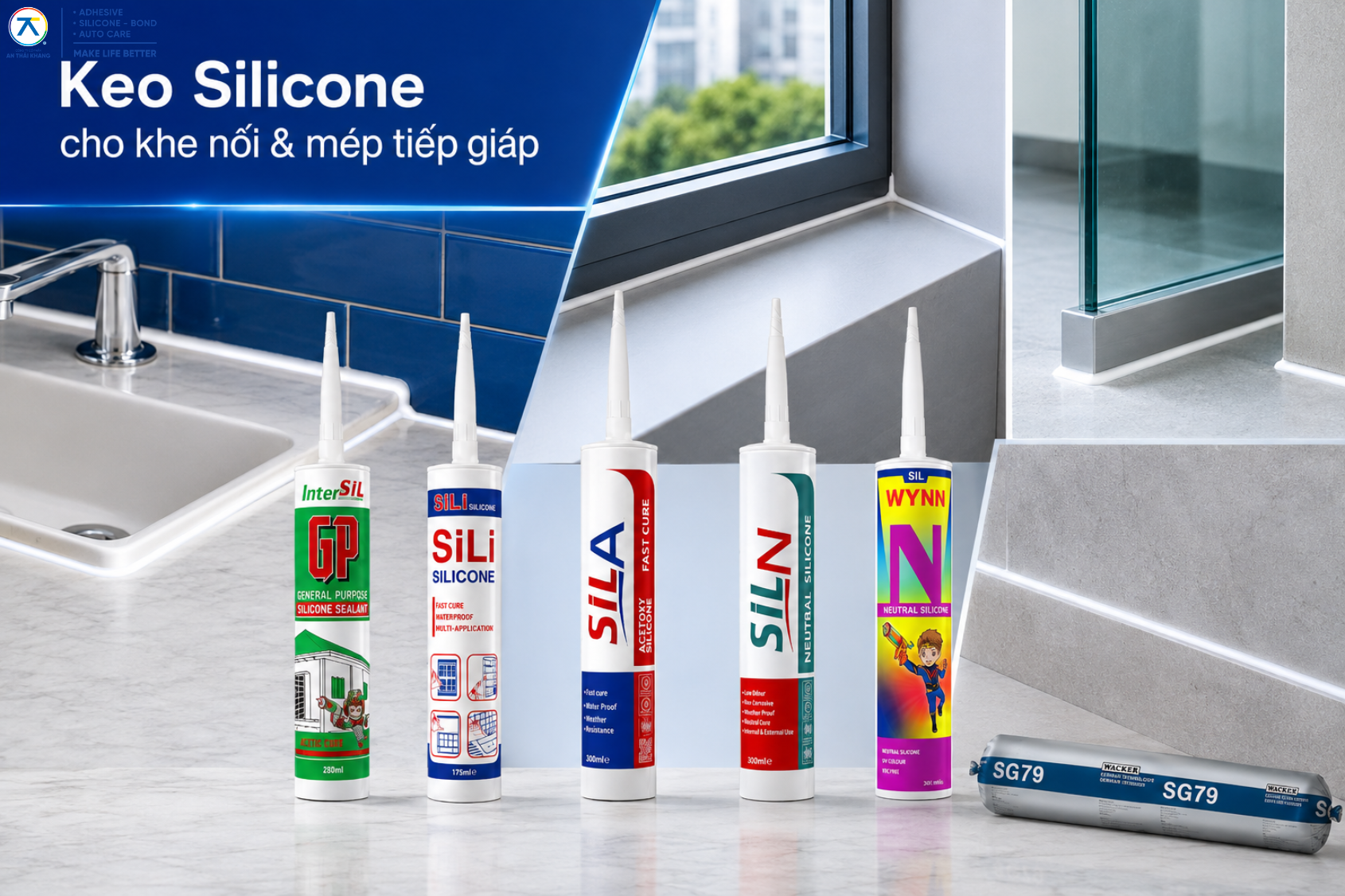
Silicone sealants are particularly effective in areas that require a continuous seal between two surfaces.
These may include small gaps between materials, adjoining edges, or areas where water and moisture ingress needs to be limited. Once cured, the sealant remains sufficiently flexible for locations where minor movement may occur.
Common applications for Silicone include:
Sealing gaps between two surfaces.
Treating joints between different materials.
Finishing areas frequently exposed to moisture.
Supporting waterproofing at gaps and joints.
Sealing areas subject to slight expansion or contraction.
Finishing joints that need to remain flexible.
Treating areas that require a continuous and neat seal line.
An important point is that Silicone does more than simply provide adhesion. Its ability to form a seal while maintaining flexibility is what makes it suitable for many different areas within a building or structure.
1.1. Sealing Gaps and Joints
Joints are among the most common areas where Silicone is used.
Even a small gap between two materials can allow water, moisture, or dust to pass through. A continuous Silicone seal helps fill this gap and creates a cleaner finished surface.
The sealant can be applied directly into the gap and then finished along the joint to create a continuous sealing line.
In areas where water ingress needs to be limited, the seal should be applied evenly, without breaks, and should adhere properly to both sides of the surface.
1.2. Areas That Require Continued Flexibility
Two adjoining surfaces do not always remain completely stationary.
During use, changes in temperature, humidity, or minor movement may cause the distance between two materials to shift slightly. If the sealing line is too rigid, the joint may have difficulty adapting to these changes.
Silicone sealant provides suitable flexibility for applications that require a more adaptable sealing line.
This is also one of the key differences between Silicone and adhesive products that mainly focus on creating a strong, rigid bond.
2. How Is Silicone Sealant Different from Bond Adhesive?
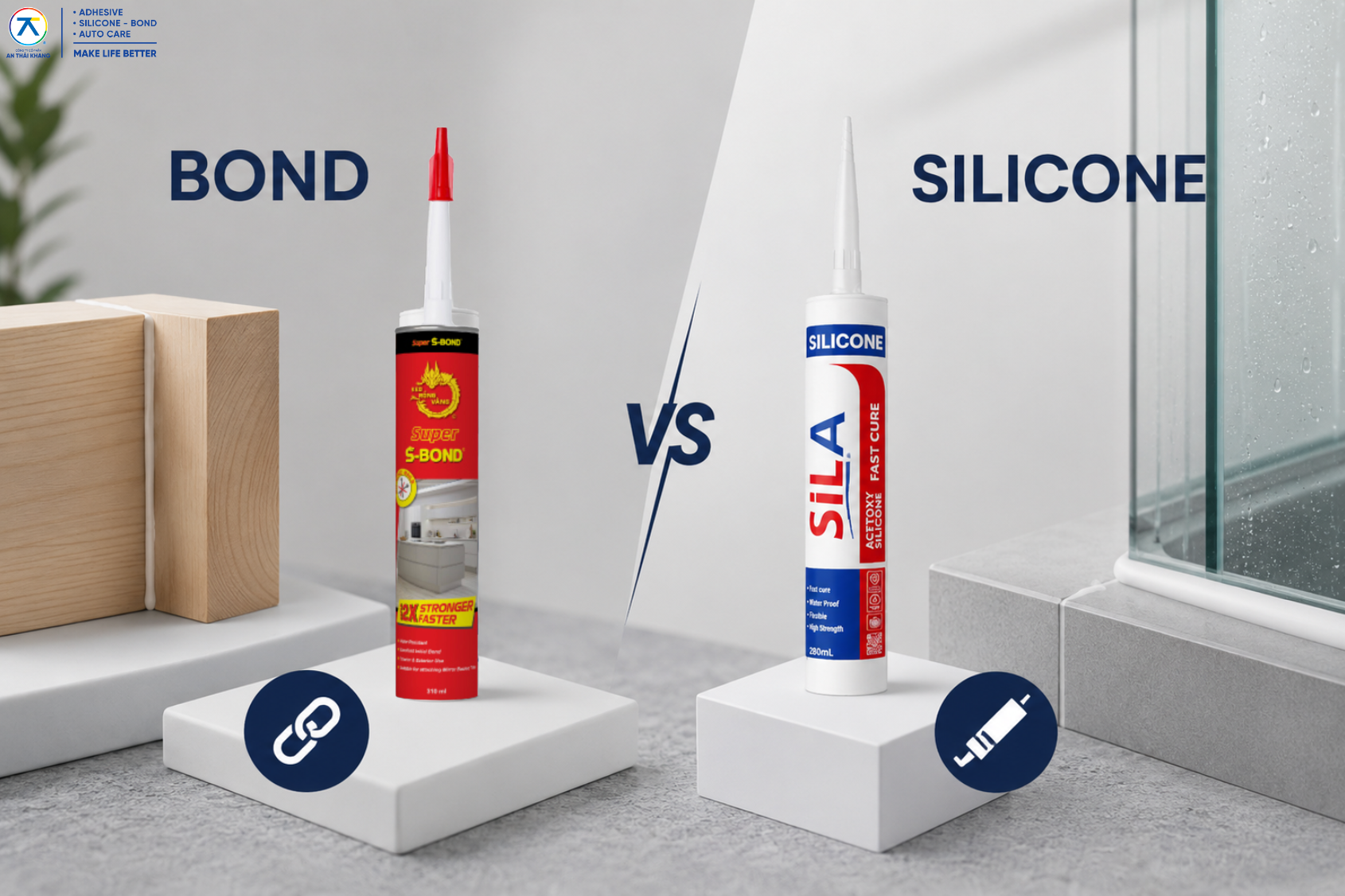
Bond adhesive and Silicone sealant can both adhere to materials, but they are designed for different purposes.
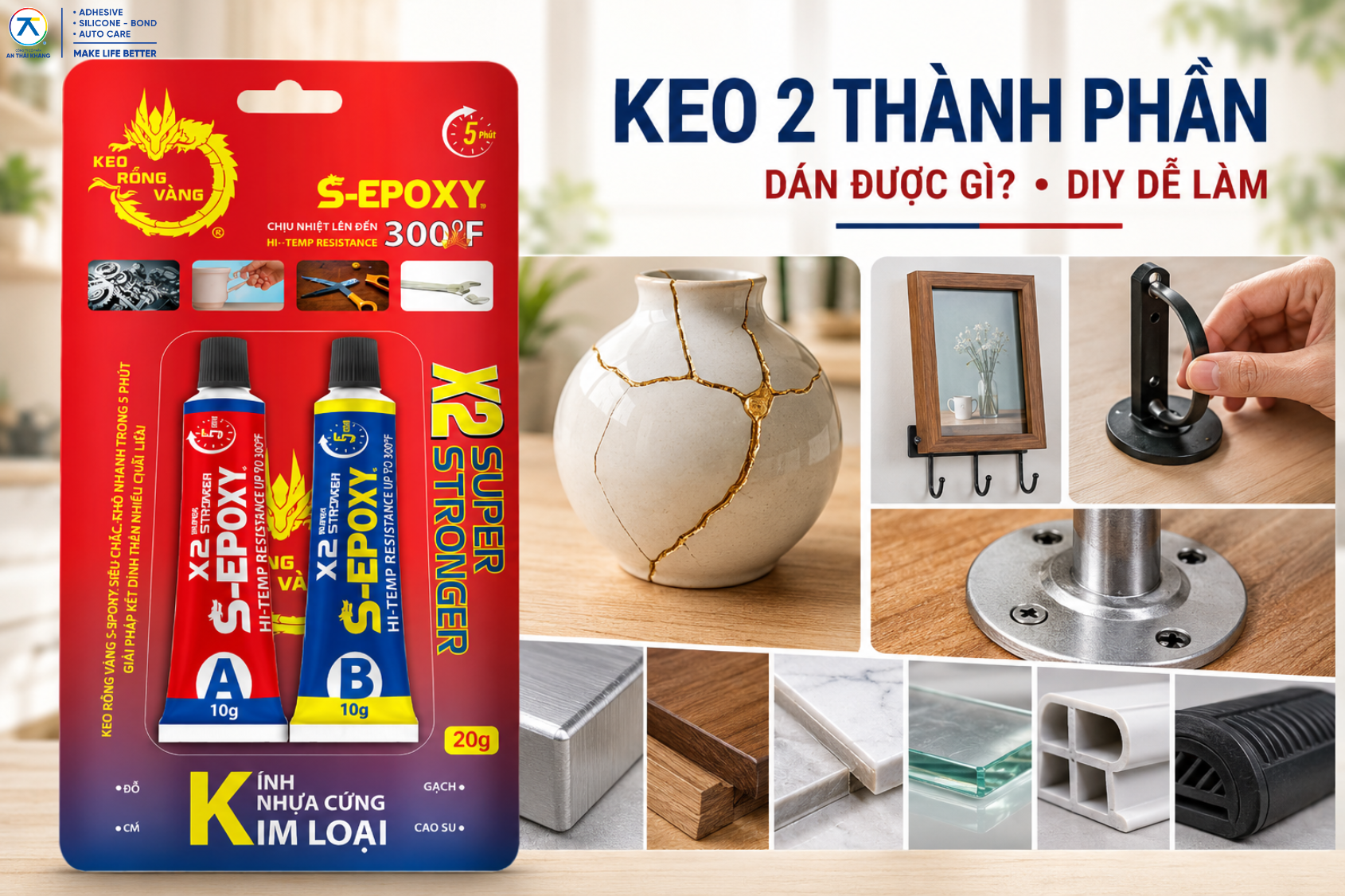
Bond adhesive is more suitable when the job requires two materials to be joined and held firmly together with a strong bond.
Silicone sealant is more appropriate when the task focuses on gaps, joints, and areas that require a combination of adhesion, sealing, and flexibility.
In simple terms:
If two materials need to be joined and securely fixed together, choose a suitable Bond adhesive.
If a gap or joint needs to be sealed, Silicone sealant is usually the better choice.
If an area is exposed to water or moisture, consider a Silicone sealant suitable for those conditions.
If the seal needs to accommodate minor movement, Silicone is worth considering.
Understanding this distinction from the beginning helps avoid selecting a product simply because it is adhesive and then using it for the wrong purpose.
2.1. Bond Adhesive Focuses on Bonding
When two materials need to be joined together and remain securely in place, bonding strength becomes the main requirement.
Bond adhesive is better suited to this type of application.
Its primary purpose is to create adhesion between materials rather than form a flexible seal within a joint.
Therefore, if the task involves bonding or joining two components, users should select an adhesive that matches both the materials involved and the load-bearing requirements of that particular application.
2.2. Silicone Focuses on Gaps and Seal Lines
Silicone is more suitable when the main area requiring treatment is the gap between two surfaces.
When applied into a joint, the sealant fills the space and creates a continuous sealing line along the adjoining surfaces.
This makes Silicone suitable for finishing joints, helping to limit water ingress, and maintaining flexibility after the sealant has cured.
Instead of using one type of adhesive for every task, clearly identifying whether the job requires bonding or sealing makes product selection much easier.
3. Choose Silicone Sealant Based on the Application Area
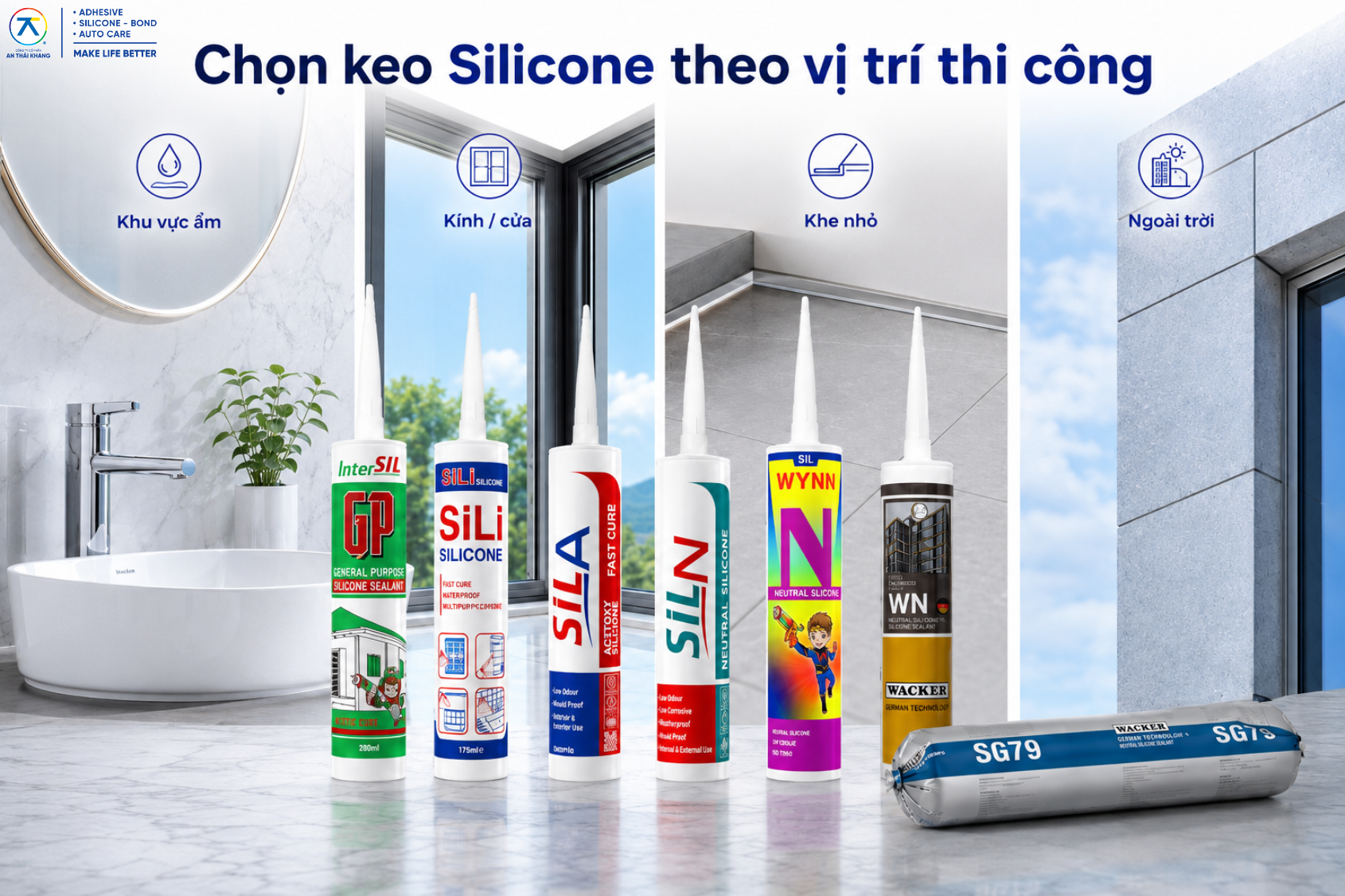
Not every application requires the same type of Silicone sealant.
A small joint in a dry indoor area has different requirements from a seal that is regularly exposed to water. Likewise, Silicone used on glass, metal, or other finished surfaces should be selected according to the actual material involved.
Before choosing a Silicone sealant, consider several basic factors:
What material needs to be sealed?
Is the area indoors or outdoors?
Is the location frequently exposed to water?
Is the joint likely to expand or contract during use?
Does the seal line need to be large or small?
Are there any color or appearance requirements for the finished surface?
Identifying these factors helps narrow down the options and reduces the risk of choosing a product that is unsuitable for the actual environment.
For areas frequently exposed to moisture, priority should be given to a Silicone sealant designed to perform well under those conditions.
For locations subject to movement, the flexibility of the cured seal should receive greater attention.
In visible areas, the color and neatness of the seal line can also directly affect the final appearance.
With multiple product options available, Silicone can be used flexibly for different applications rather than being limited to one specific type of location.
4. How to Apply Silicone for a Clean and Even Seal
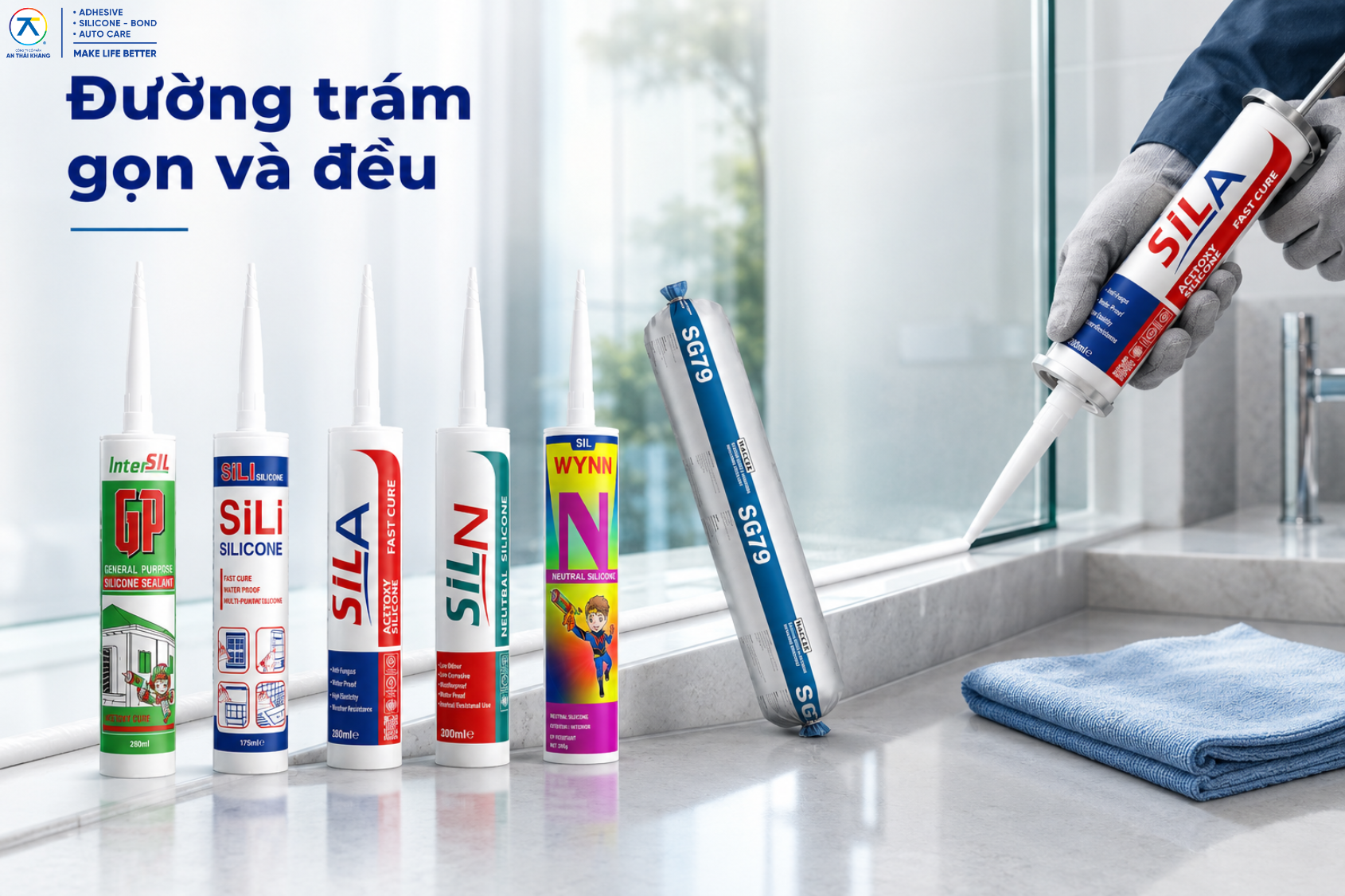
Even the right product needs to be applied correctly to create a neat and consistent seal.
The first step is surface preparation. The area to be sealed should be cleaned to remove dust, oil, water, or other contaminants that may interfere with the sealant’s contact with the surface.
Once the surface is ready, the amount of Silicone should be controlled according to the actual size of the joint.
There is no need to apply excessive sealant to a small gap. Too much material can make finishing more difficult and require additional cleanup.
4.1. Keep the Seal Line Continuous
For long joints, Silicone should be applied in one continuous line whenever possible.
Repeated interruptions can create uneven connection points. This is particularly important in areas where water ingress needs to be limited, as continuity of the seal plays an important role.
The nozzle should be directed along the joint so that the sealant is applied into the correct position rather than spreading excessively to both sides.
After application, the seal can be shaped neatly according to the joint profile before the product begins to cure.
A good Silicone seal does not necessarily need to be large. What matters is that the sealant adequately covers the required area and makes proper contact with the relevant surfaces.
4.2. Do Not Skip Surface Cleaning
Silicone needs direct contact with the material in order to form a stable seal.
If the surface contains dust, oil, or other contaminants, the sealant may adhere to the contamination instead of the actual application surface.
For this reason, cleaning the surface before applying Silicone is a simple step that can have a significant impact on the final result.
The surface should also be prepared according to the requirements of the specific Silicone product being used.
After application, allow the sealant sufficient time to cure before returning the area to normal use. In locations exposed to water, avoid disturbing or wetting the newly applied seal too soon.
5. Conclusion: Silicone Sealant for Flexible and Secure Sealing
Silicone sealant is a suitable option for sealing gaps, treating adjoining edges, supporting waterproofing, and maintaining flexibility in a wide range of applications.
It is particularly useful when the job requires a continuous sealing line that can still accommodate minor movement between surfaces.
Rather than selecting a product based only on its adhesive capability, users should begin by considering the function of the area that needs to be treated. Joints that require sealing, areas frequently exposed to moisture, or connections subject to expansion and contraction are all suitable situations in which Silicone should be considered.
Choosing the right type of sealant, preparing the surface properly, and controlling the seal line during application will help produce a neater result that is better suited to the intended use.
With different options available for a variety of needs, Silicone sealants make it easier for users to select the right product for sealing gaps, finishing joints, and treating areas that require flexibility.
AN THAI KHANG JSC
- • Fanpage: An Thái Khang JSC
- • Hotline: 0764 644 245
- • Email: support@anthaikhang.com
- • Website: https://anthaikhang.com/