
How to Use Aquarium Silicone Sealant Safely for a Watertight Seal
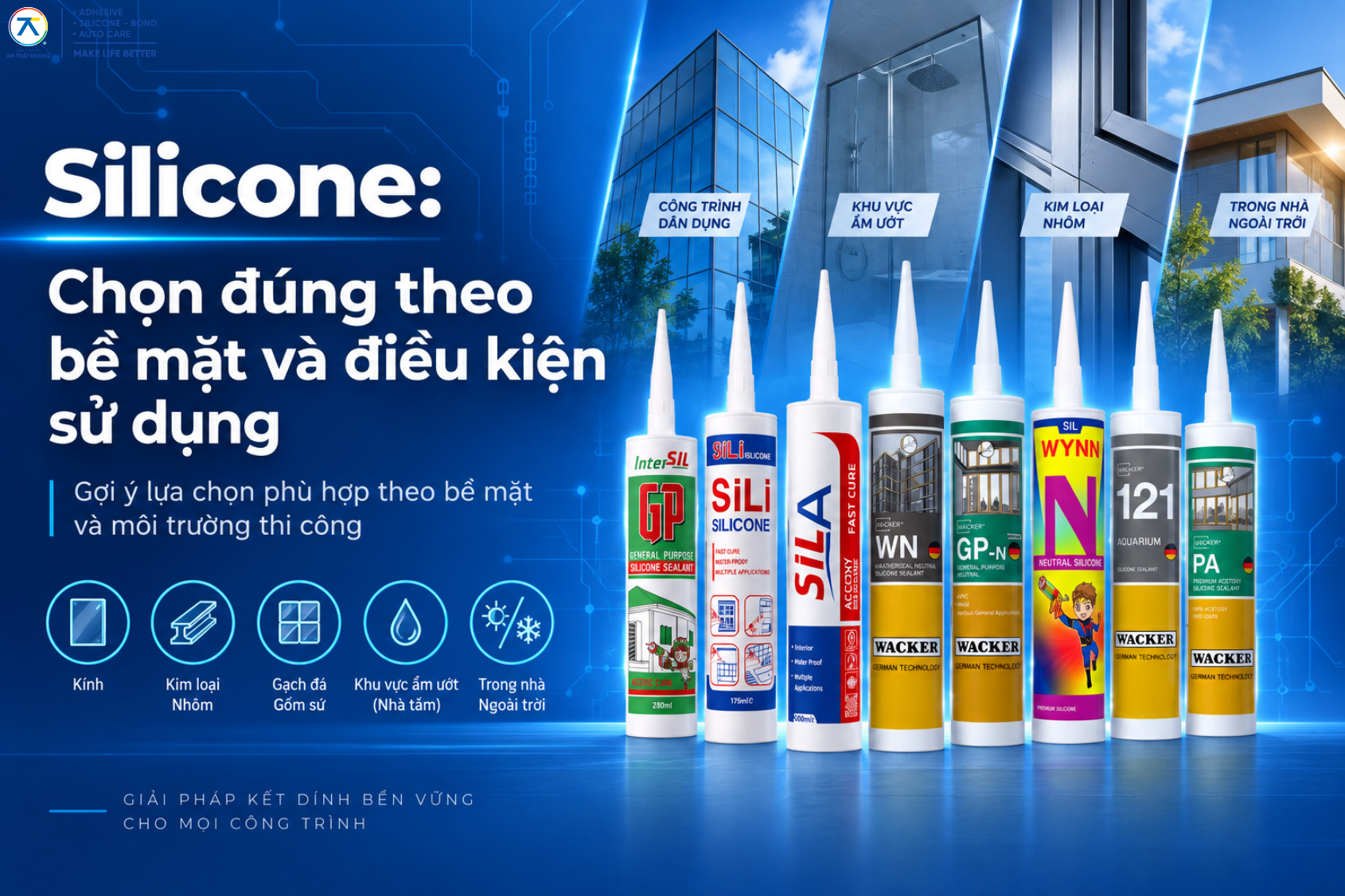
Proper Guide to Using WACKER 121 Aquarium Silicone: Achieve a Watertight, Pressure-Resistant Bond That Is Safe for Fish. Includes detailed application steps, curing time, common mistakes, and ways to improve joint durability.
1. When Should You Use Specialized Aquarium Silicone Sealant?
Not every type of silicone is suitable for underwater environments. Some acid-cure silicones produce a strong odor during curing and are not recommended for enclosed aquariums.
Specialized aquarium silicone sealant is commonly used in the following cases:
Building household glass aquariums
Fabricating professional aquascape tanks
Sealing joints in display glass tanks
Repairing leaking aquariums
Constructing glass structures that are constantly exposed to water pressure
See also: how to distinguish different types of silicone to better understand the difference between neutral-cure silicone and acid-cure silicone, and to choose the right material for each specific application.
2. Why Is It Important to Choose the Right Aquarium Silicone Sealant?
An aquarium is a specialized environment where water pressure continuously acts on the joints. If the wrong material is used, the bond may peel off or gaps may appear after a short period of time.
High-quality aquarium silicone sealant offers the following benefits:
Good elasticity to prevent joints from cracking or breaking
Stable waterproof performance over the long term
No harmful substances released after full curing
Strong adhesion to glass surfaces
According to information about silicone on Wikipedia, silicone is a group of polymers known for excellent heat resistance and water resistance, thanks to the durable silicon-oxygen bond structure.
3. Preparation Before Applying Aquarium Silicone Sealant
To ensure aquarium silicone sealant performs at its best, the preparation stage must be done carefully.
Step 1: Clean the glass surface
Remove dust, grease, and impurities using a clean cloth and a suitable cleaning solution. Make sure the surface is completely dry. Any remaining moisture can reduce the adhesion strength of the aquarium silicone sealant.
Step 2: Prepare the tools
You will need:
A caulking gun
A tube nozzle cutter or utility knife
A smoothing tool or cotton cloth
A clean and dry surface is the key condition for achieving a durable silicone bond.
4. Proper Application Process for Aquarium Silicone Sealant
Step 1: Cut the nozzle to match the size of the joint gap.
Step 2: Insert the silicone tube into the caulking gun.
Step 3: Apply the aquarium silicone sealant evenly along the joint.
Step 4: Smooth the bead to ensure the gap is fully sealed.
Step 5: Keep the structure fixed and avoid movement while the sealant is still curing.
The silicone bead should be continuous and unbroken. If air bubbles appear during application, they should be corrected immediately before the surface skins over.
5. Drying and Curing Time of Aquarium Silicone Sealant
Aquarium silicone sealant usually becomes surface-dry within about 10 to 30 minutes, depending on temperature and humidity. However, full curing occurs through moisture absorption from the air and may take anywhere from 24 to 72 hours.
Water should only be added to the tank after the aquarium silicone sealant has fully cured. Introducing fish too early may affect water quality and the aquatic environment.
6. Is Aquarium Silicone Sealant Safe for Fish?
Once fully cured, specialized neutral-cure aquarium silicone sealant no longer produces odor and is generally safe for fish and aquatic plants. The most important requirement is allowing enough curing time before putting the tank into use.
7. Common Mistakes When Using Aquarium Silicone Sealant
Applying silicone on a damp surface
Inconsistent application that leaves gaps in the joint
Testing with water too early
Using the wrong type of silicone
These mistakes reduce the lifespan of the bond and increase the risk of leaks.
8. Tips to Make Aquarium Silicone Sealant Last Longer
Apply the sealant in stable temperature conditions
Do not mix solvents into the silicone
Carefully inspect corners and high-stress areas
Allow the aquarium silicone sealant to fully cure before use
A properly made silicone joint can remain durable for many years when applied correctly.
9. How to Store Aquarium Silicone Sealant
The typical shelf life is around 12 months from the date of manufacture
Store in a dry place away from direct sunlight
Seal the nozzle tightly after use to prevent the silicone from drying out
10. Frequently Asked Questions About Aquarium Silicone Sealant
Can aquarium silicone sealant be used on tempered glass?
Yes, as long as the surface is clean and completely dry.
How long should I wait before filling the tank with water?
At least 24 hours, though 48 hours is ideal depending on the thickness of the silicone bead.
Can construction silicone be used instead of aquarium silicone sealant?
It is not recommended, because not all construction silicones are suitable for aquatic environments.
Does aquarium silicone sealant turn yellow over time?
High-quality products are less likely to yellow, especially if they are not exposed to strong chemicals.
Can a leaking aquarium be repaired by applying additional silicone over the old joint?
It depends on the level of damage. If the joint gap is significant, it is better to drain the tank and completely rework that section.
11. Practical Benefits of Using Aquarium Silicone Sealant Correctly
Stable, watertight joints
Longer service life for glass aquariums
Lower repair costs over time
A safer environment for fish
Choosing the right aquarium silicone sealant and applying it correctly not only improves structural durability but also helps protect the aquatic ecosystem throughout the life of the tank.
AN THAI KHANG JSC
- • Fanpage: An Thái Khang JSC
- • Hotline: 0764 644 245
- • Email: support@anthaikhang.com
- • Website: https://anthaikhang.com/