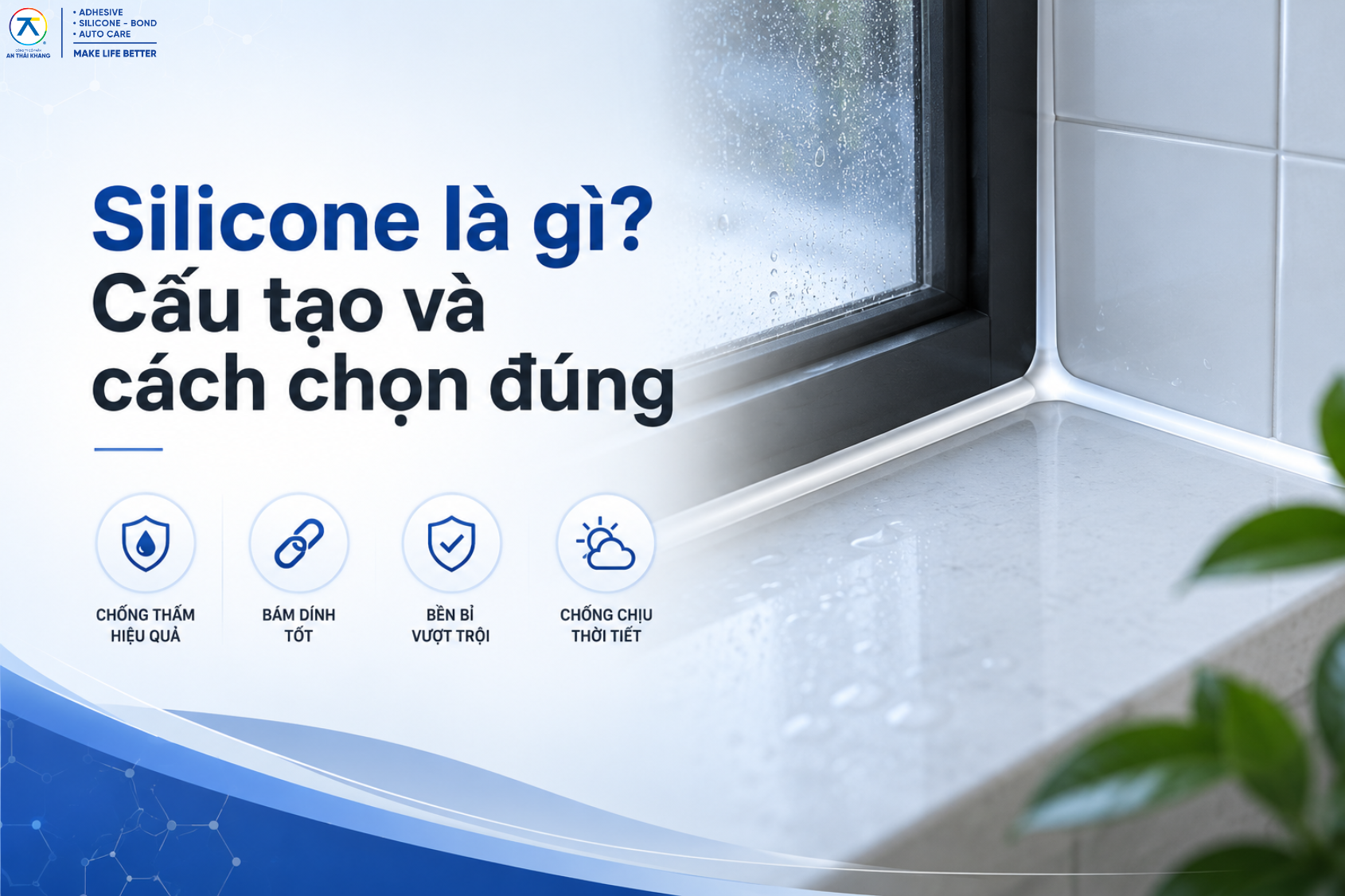

Wacker Silicone Sealants: Sealing and Bonding Solutions for a Wide Range of Applications
Discover Wacker silicone sealants, including a range of neutral-cure and acid-cure products designed for sealing, bonding, and finishing applications in construction, interior works, and practical installation projects.
1. Wacker Silicone Sealants in Construction Applications
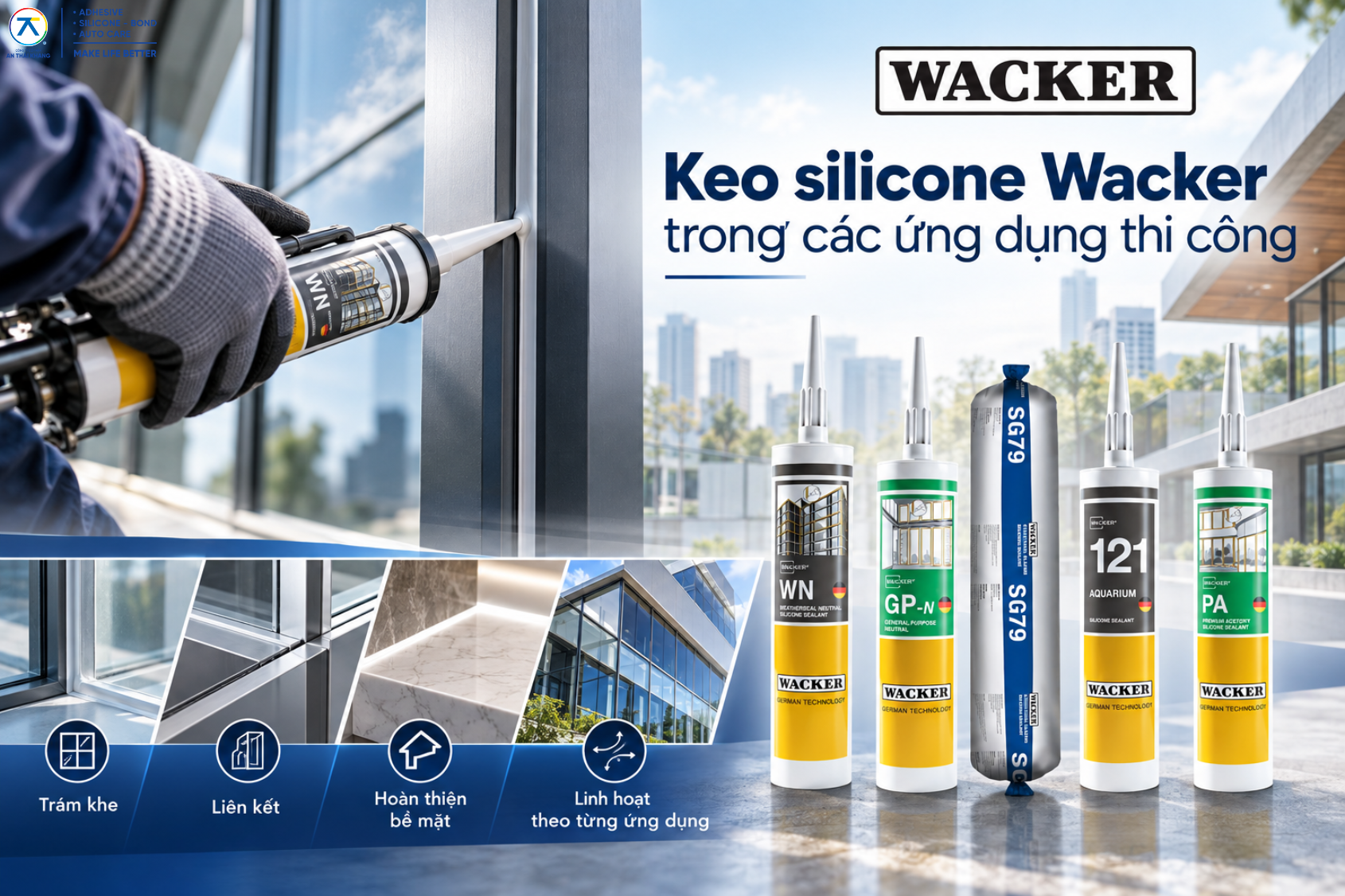
Silicone sealants are widely used for joint sealing, bonding, and surface finishing. Thanks to their flexibility after curing, silicone sealants are suitable for a wide range of applications that require gaps to be sealed or flexible bonds to be created between different material surfaces.
Within the Wacker product range, silicone sealants are available in different formulations to meet specific installation requirements. This gives users greater flexibility in selecting the appropriate product rather than relying on a single type of silicone for every surface or working condition.
Applications such as glass doors, aluminium frames, joints between different surfaces, finishing gaps in construction, and interior details may all require silicone sealants. However, the requirements of each application are different. Some surfaces are more suitable for neutral-cure silicone, while others may be compatible with acid-cure silicone.
As a result, the Wacker silicone sealants available at An Thai Khang can be selected according to the specific materials, application areas, and installation requirements.
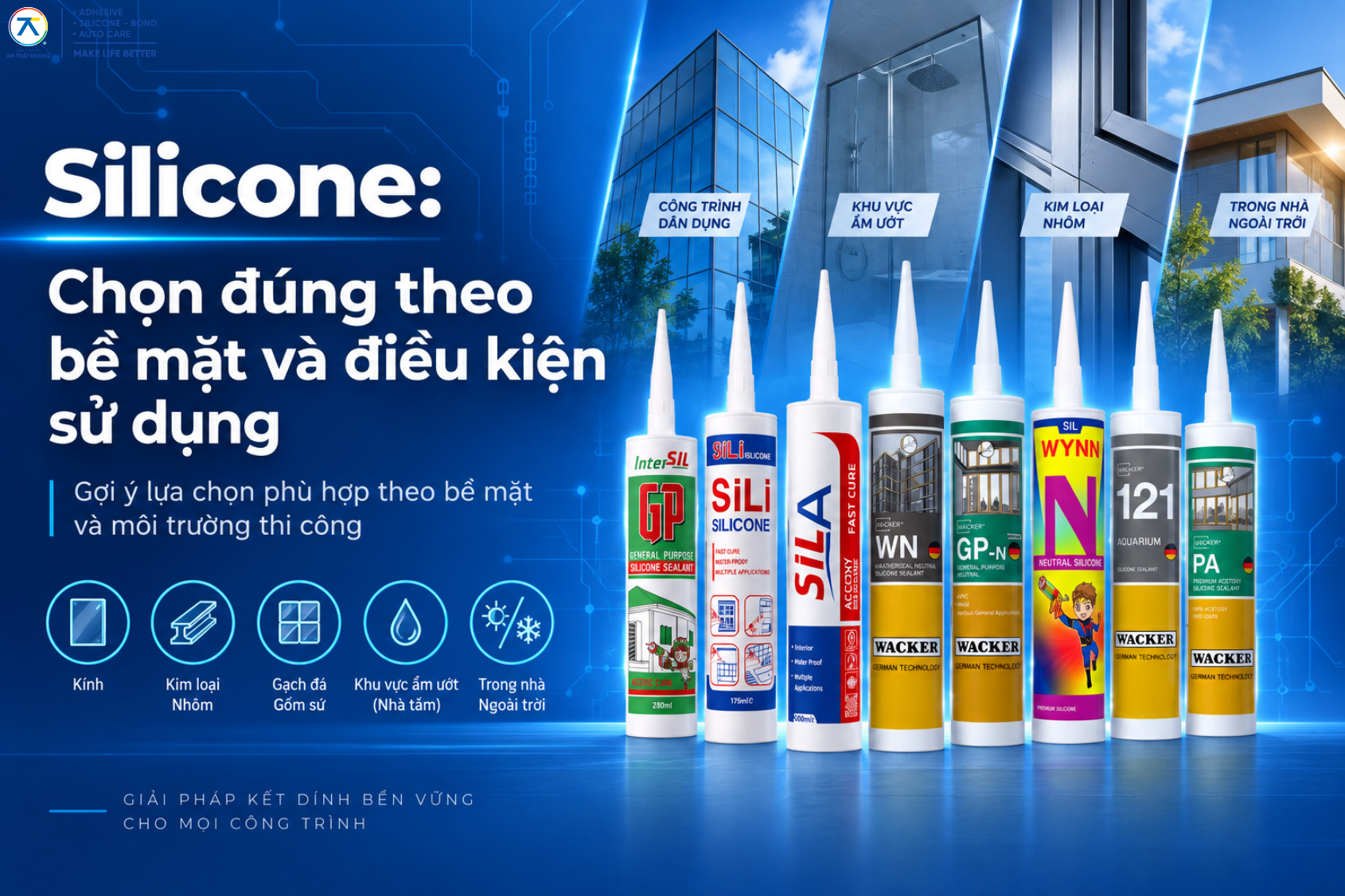
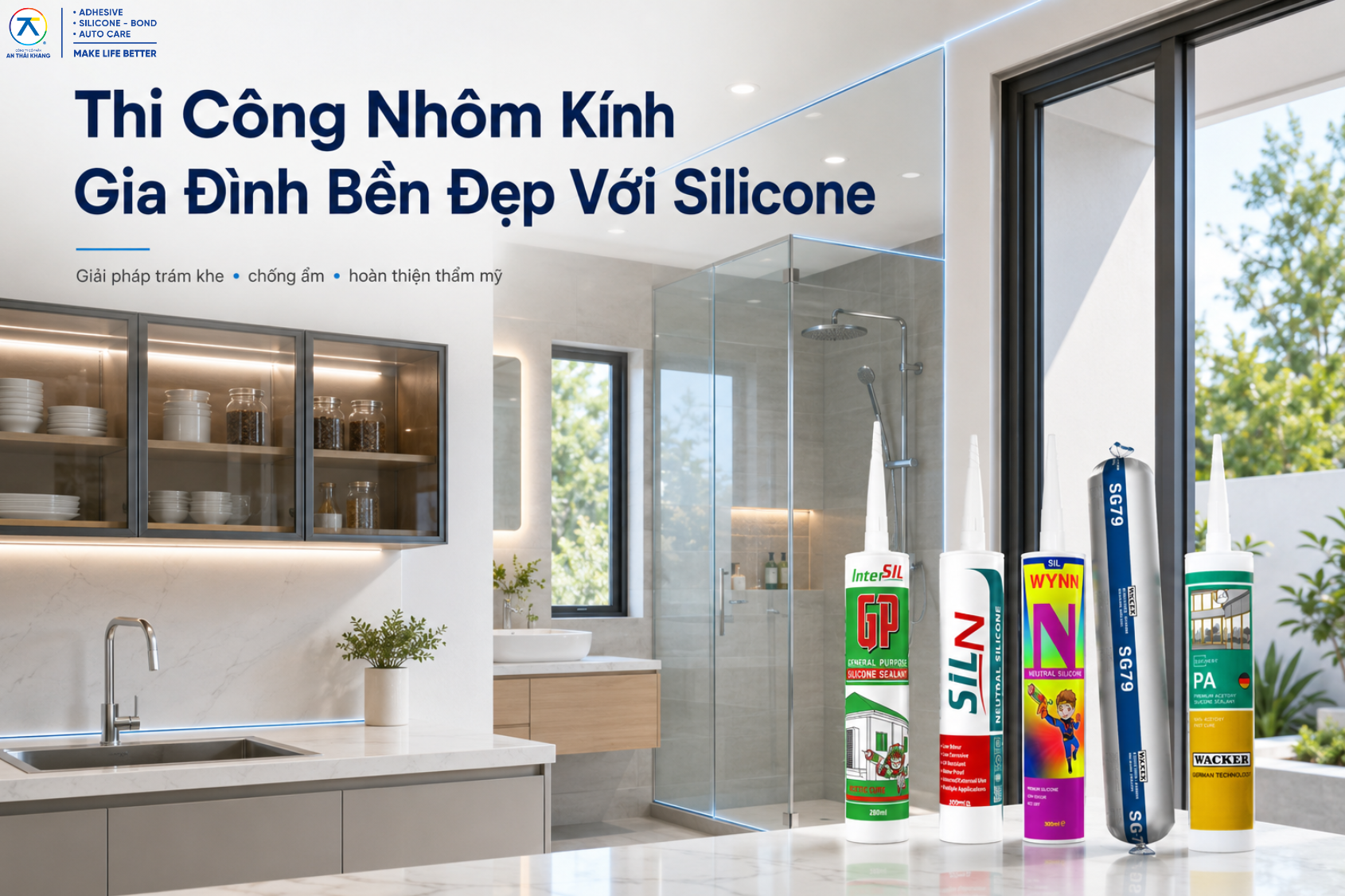
Users can explore solutions such as Wacker WN Neutral Silicone, Wacker GP-N Neutral Silicone, Wacker SG-79 Neutral Silicone, Wacker 121 Silicone, and Wacker PA Acid-Cure Silicone to identify the most suitable option for each application.
2. What Is the Difference Between Neutral-Cure and Acid-Cure Silicone?
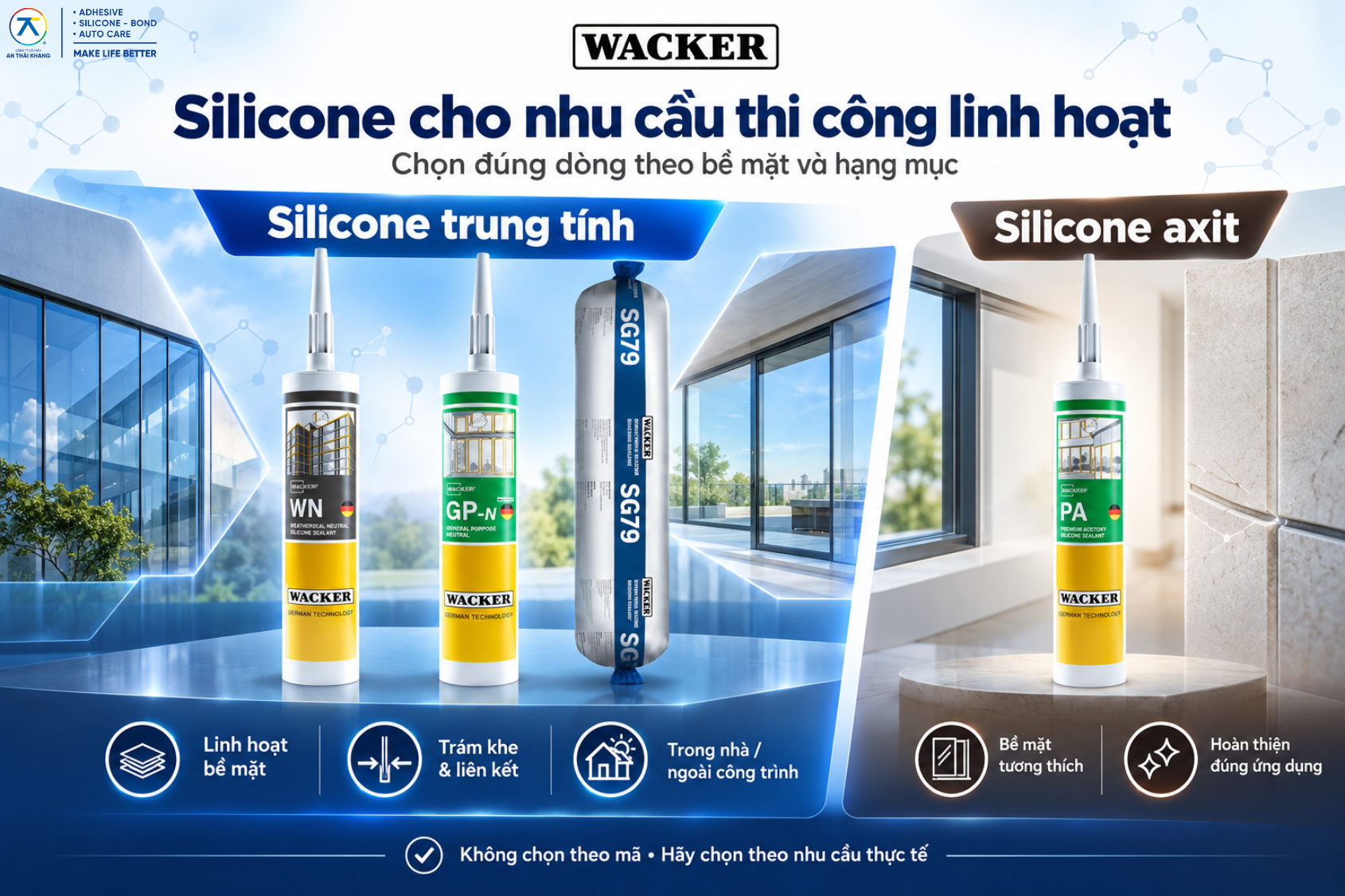
When selecting a silicone sealant, one of the first factors to consider is which type of silicone is suitable for the application surface.
Two common categories are neutral-cure silicone and acid-cure silicone. This distinction directly affects product selection for different materials and applications.
2.1. Neutral-Cure Silicone for Versatile Applications
Neutral-cure silicone is commonly selected for applications requiring greater flexibility in terms of compatible surfaces.
Within this category, Wacker WN, Wacker GP-N, and Wacker SG-79 are all neutral-cure silicone products, giving installers more options for sealing and bonding applications.
Rather than selecting a product based solely on its model name, users should begin with the actual requirements of the project: which surfaces need to be treated, whether the application is indoors or outdoors, how the finished sealant joint should look, and what the installation conditions are.
This approach helps ensure that the selected silicone sealant is better matched to the specific requirements of the job.
2.2. Acid-Cure Silicone for Compatible Surfaces
In addition to neutral-cure products, acid-cure silicone also has its own role in a variety of applications.
Wacker PA Acid-Cure Silicone is used for applications that are compatible with acid-cure silicone systems. Before installation, it is important to determine whether the intended surface is suitable for this type of sealant.
Choosing the correct silicone from the beginning helps reduce the risk of using an unsuitable product and having to redo the sealant joint after completion.
Therefore, rather than considering neutral-cure or acid-cure silicone as universally superior, they should be viewed as two product categories designed for different application requirements.
3. How Are Wacker Silicone Sealants Used?
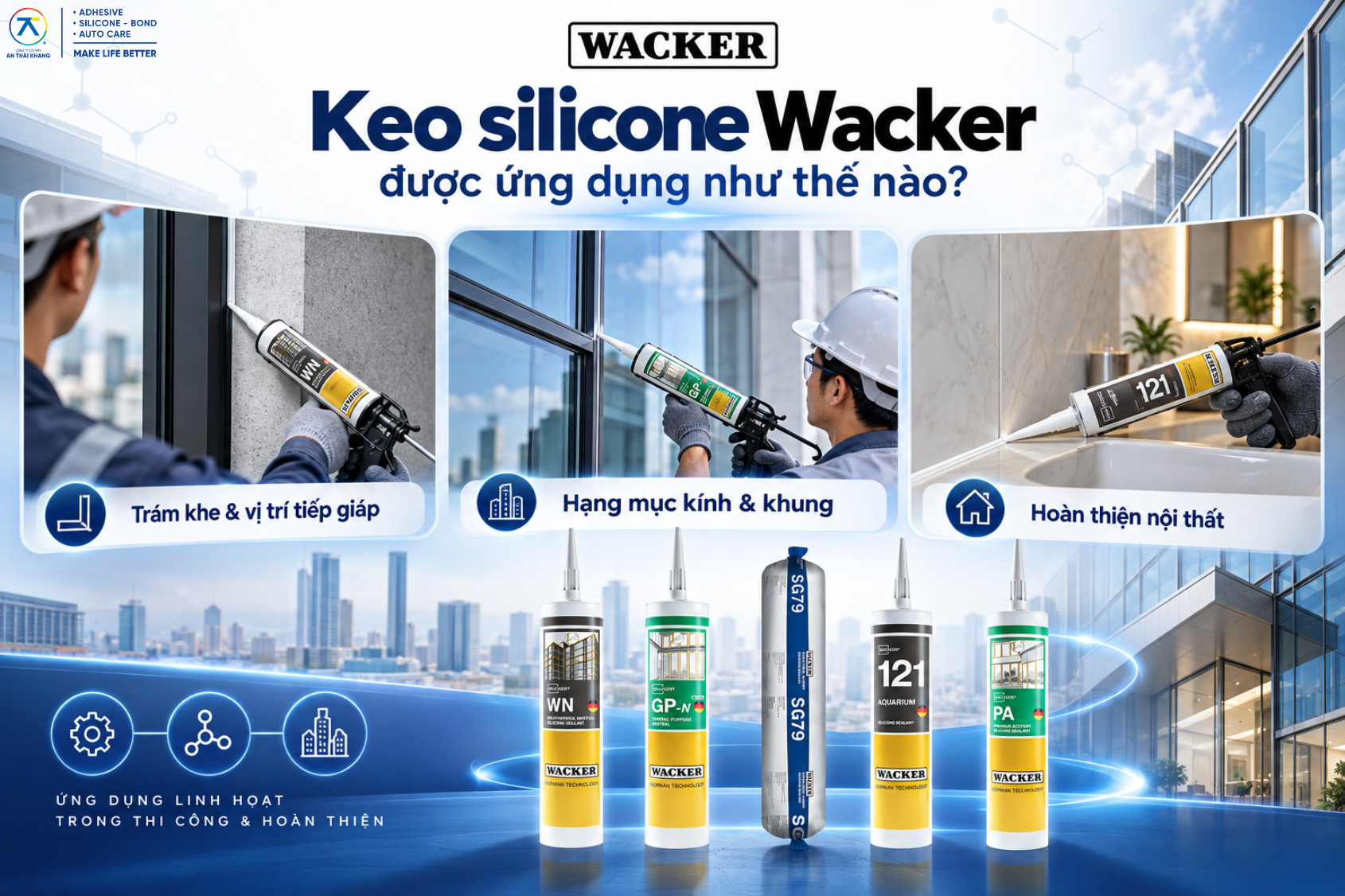
One of the key advantages of silicone sealants is their wide range of applications. In construction and finishing work, silicone is commonly used in areas that require sealing or flexible bonding between two surfaces.
3.1. Joint Sealing and Finishing at Surface Connections
Small gaps between two surfaces can affect the overall appearance of a project if they are not properly treated.
Silicone sealants help create a continuous seal and support the finishing of transition areas between glass, frames, and other finished surfaces.
For applications requiring neutral-cure silicone, products such as Wacker GP-N or Wacker WN can be considered depending on the specific requirements of the application.
Proper application techniques help create cleaner sealant lines and reduce the need for repeated adjustments after application.
3.2. Bonding and Sealing in Glass and Frame Applications
Glass and frame systems are common applications in which silicone is used to treat joints and connection areas.
In these areas, the sealant not only needs to be applied in the correct position but should also form a consistent line to create a clean and neat finished appearance.
Neutral-cure silicone products such as Wacker SG-79 provide additional options for applications involving different materials and installation conditions.
Selecting the appropriate silicone product from the beginning also helps installers work more efficiently around corners, edges, and joints between multiple surfaces.
3.3. Interior Finishing and Small Detail Applications
Silicone sealants are also used in a variety of interior finishing applications, particularly in areas that require clean joints or the sealing of small gaps between components.
Although these areas may be relatively small, they can have a noticeable impact on the overall appearance of the finished work. An uneven, excessively thick, or smeared sealant line can reduce the visual quality of the surface.
For finishing applications, choosing the appropriate silicone should therefore be combined with consistent application techniques and proper control of the amount of sealant used.
Wacker 121 is another option within the Wacker silicone range, giving users additional flexibility when selecting a product for specific installation requirements.
4. How to Select and Use Silicone Sealants Effectively
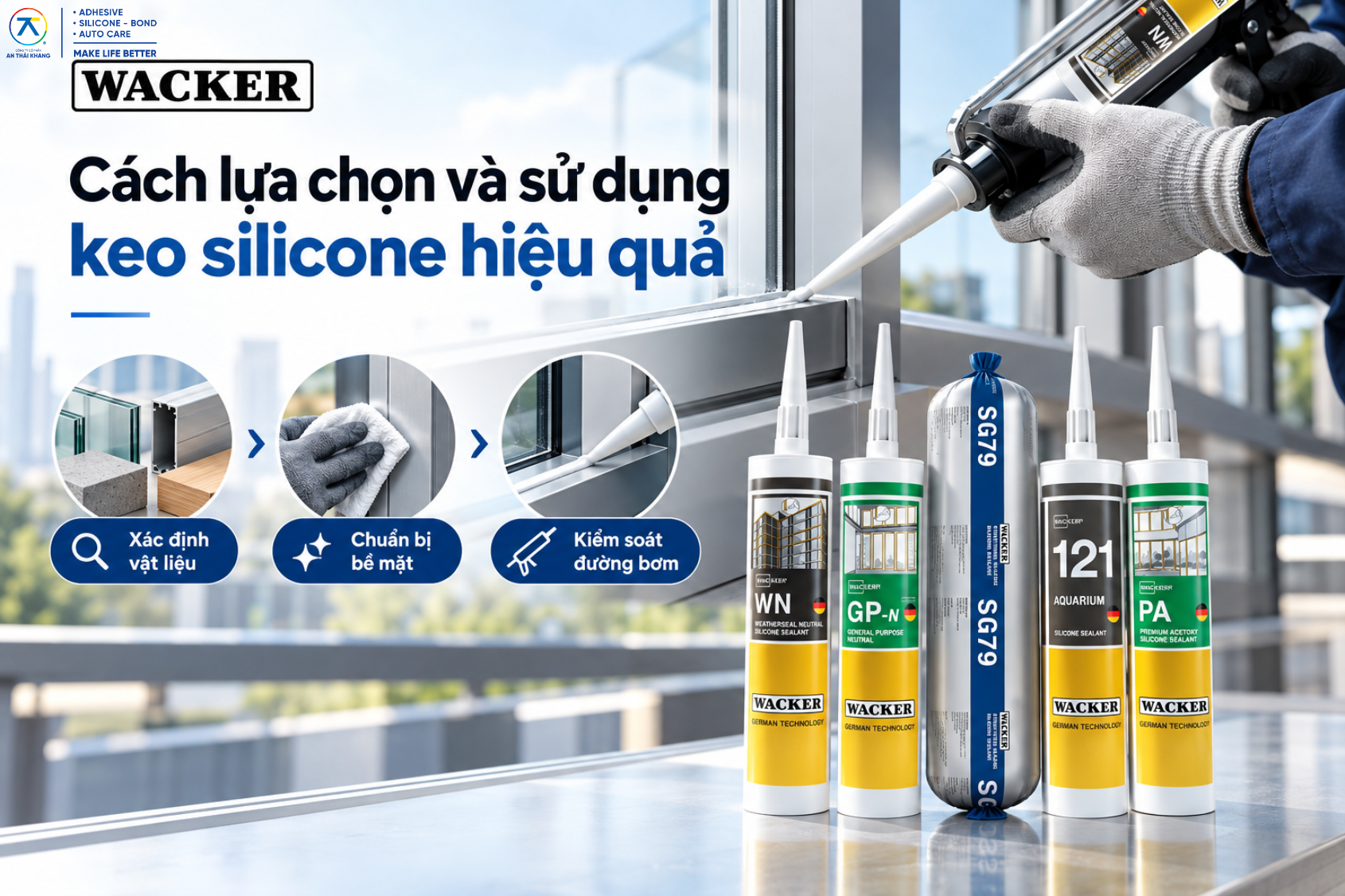
Choosing the right silicone sealant should not be based solely on brand preference or previous habits. A suitable product should match the materials and installation conditions of the specific project.
4.1. Identify the Materials Before Selecting the Sealant
Before purchasing silicone, clearly identify the surfaces that will come into contact with the sealant.
If the materials are suitable for neutral-cure silicone, users may consider products such as Wacker WN, Wacker GP-N, or Wacker SG-79.
If the application is compatible with an acid-cure system, Wacker PA is one of the products that may be considered.
Identifying the correct silicone category from the beginning helps narrow down the available options and reduces the risk of using an unsuitable sealant on the intended surface.
4.2. Prepare the Surface Before Application
The surface should be cleaned and inspected before applying the silicone.
Dust, contaminants, or unstable material on the application area may affect the contact between the silicone and the substrate.
For long sealant joints, it is advisable to determine the joint width and application position in advance so that the silicone can be applied more continuously and consistently.
Although surface preparation is a relatively simple step, it has a direct impact on the neatness and consistency of the finished sealant line.
4.3. Control the Amount of Sealant and Application Line
During application, the amount of silicone should be appropriate for the size of the joint.
Applying too much silicone can make the sealant line difficult to finish, while applying too little may result in insufficient coverage of the required area.
The sealant should be applied with a steady and consistent motion to minimise interruptions and uneven thickness.
After application, the silicone surface should be tooled within an appropriate period, and corners, edges, and transition areas should be carefully inspected.
For projects involving multiple materials or different application areas, it is not always necessary to use the same silicone product throughout the entire project. Selecting the appropriate product for each area can often result in a more practical and effective installation process.
5. Conclusion
Wacker silicone sealants provide a variety of options for sealing, bonding, and finishing applications in construction, interior work, and other installation projects.
Neutral-cure silicone products such as Wacker WN, Wacker GP-N, and Wacker SG-79 are suitable for applications requiring a neutral-cure system, while Wacker PA expands the range of options for applications compatible with acid-cure silicone. Wacker 121 provides an additional option within the Wacker silicone product range available at An Thai Khang.
Most importantly, the materials, application area, and specific requirements of each project should be clearly identified before selecting a silicone sealant.
When the right product is combined with proper surface preparation and accurate application techniques, the sealant line becomes easier to control while contributing to a cleaner, neater, and more professional finished surface.
AN THAI KHANG JSC
- • Fanpage: An Thái Khang JSC
- • Hotline: 0764 644 245
- • Email: support@anthaikhang.com
- • Website: https://anthaikhang.com/