
Silicone for Neat and Sealed Joints
Discover how silicone helps seal joints between glass, door frames, walls, tiles, and other materials, creating clean, tight, durable seals while enhancing the overall finish and aesthetics of your project.
A glass window can be made up of several different materials: the glass sits within an aluminum frame, the frame meets the wall, and the corners may connect with other finished surfaces.
At these junctions, even a small gap can make the overall installation look unfinished. Silicone helps fill these gaps, create cleaner transitions, and keep joints better sealed.
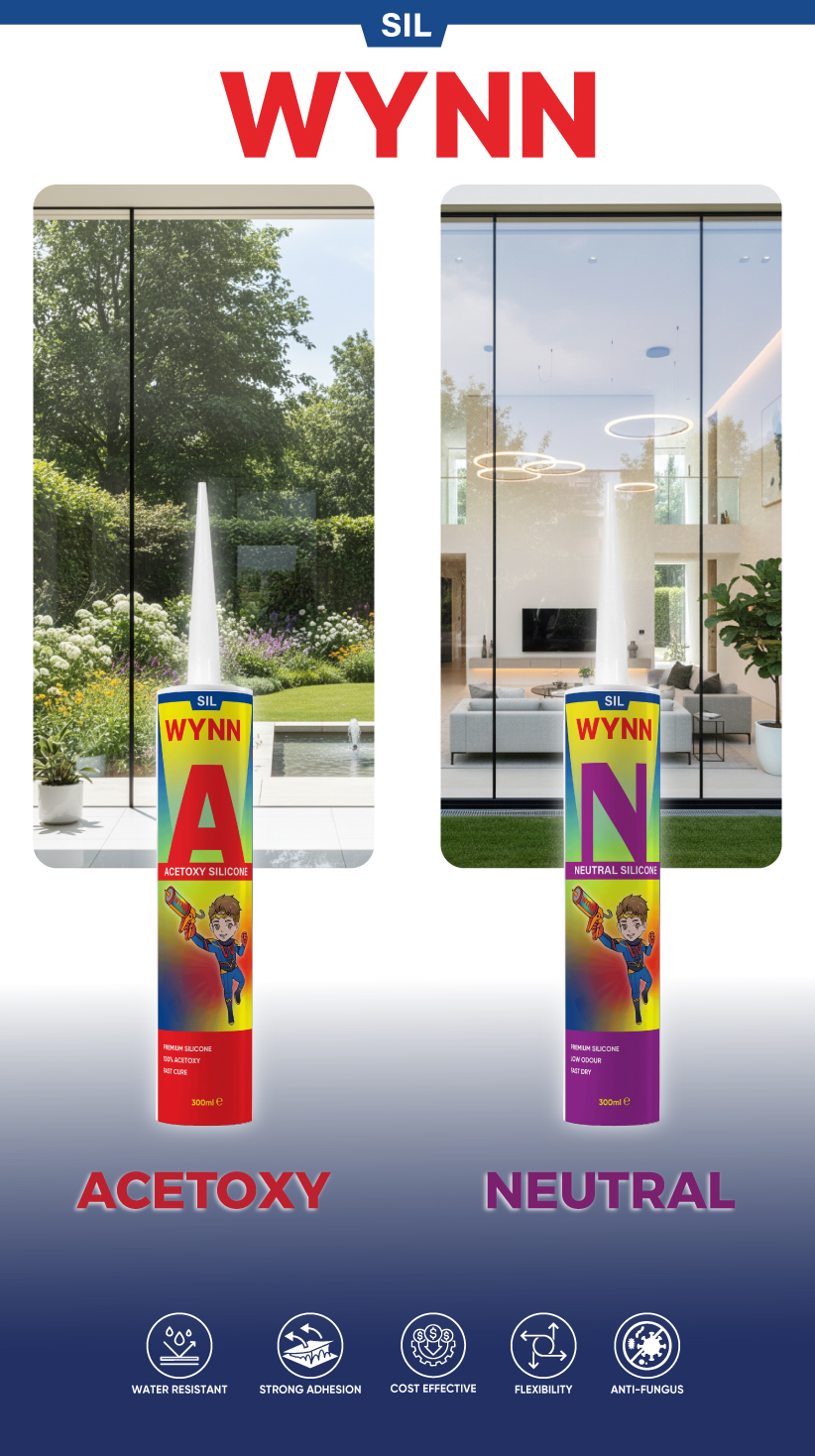
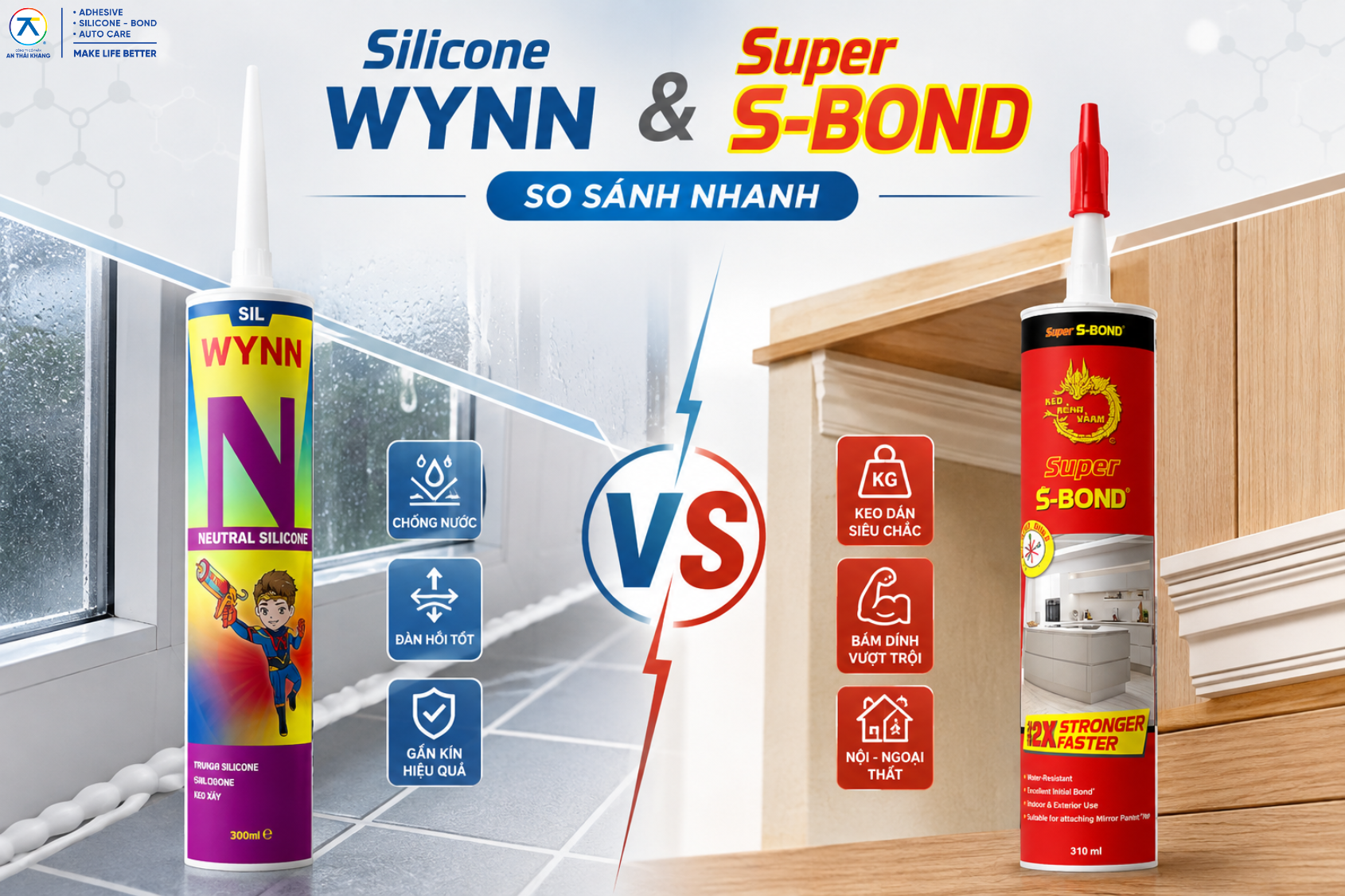
WYNN A Acid-Cure Silicone is suitable for a wide range of glass bonding, gap sealing, and finishing applications on non-porous surfaces. Meanwhile, WYNN N Neutral-Cure Silicone offers greater versatility for aluminum and glass systems, metals, ceramic tiles, porcelain, wood, and many other construction materials. Both are one-component silicones with good elasticity and adhesion.
1. Small Joints Can Affect the Appearance of the Entire Surface
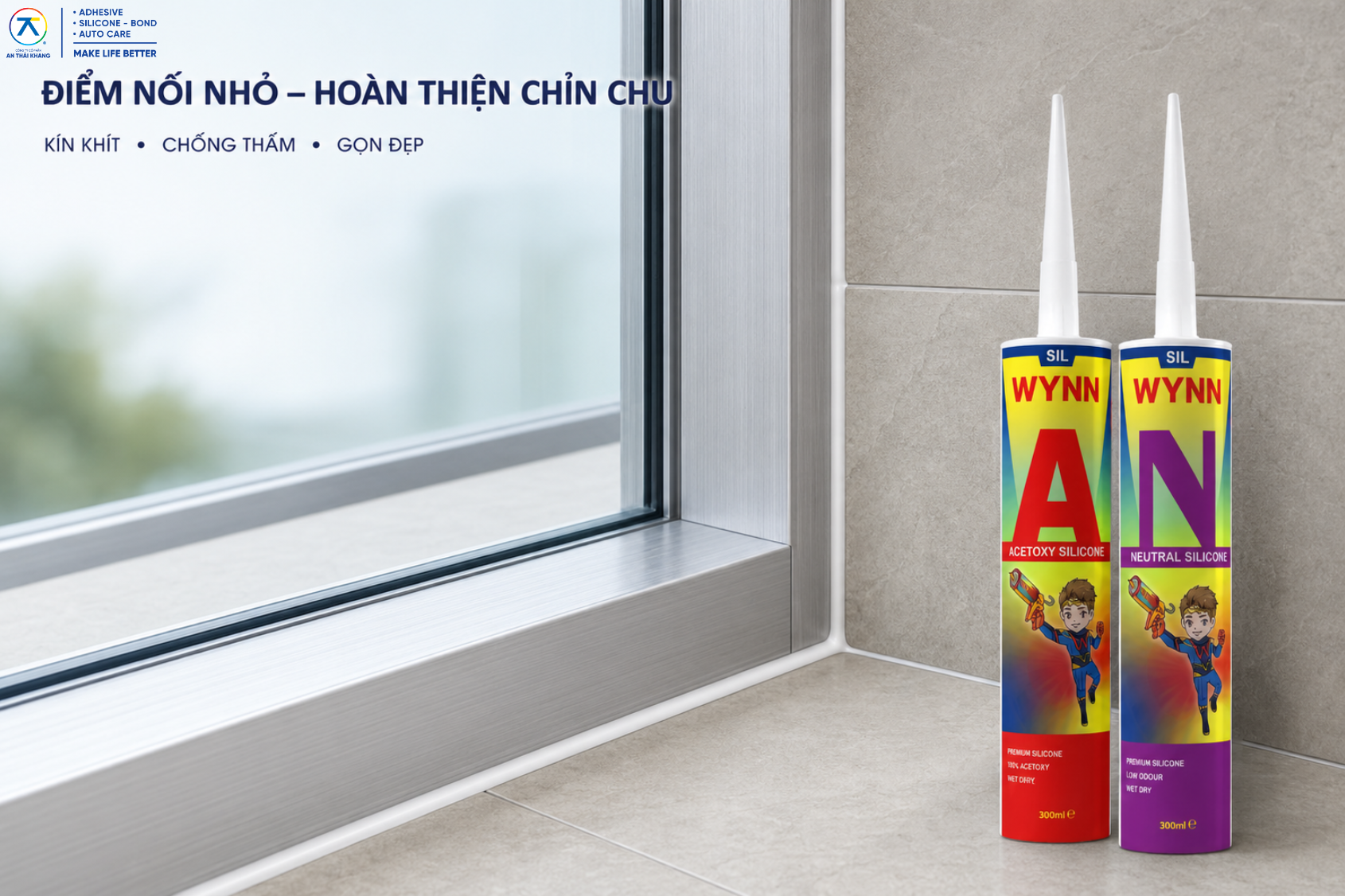
In a finishing project, the most visible elements are usually the glass, door frame, wall, or tiled surface. However, the joints between these materials often determine whether the overall finish looks clean and complete.
The gap between glass and its frame needs to be sealed smoothly and continuously. The edge where a door frame meets the wall should have a neat finish. Corners where tiles, porcelain, or decorative materials meet also require just the right amount of sealant to create a refined appearance.
Because silicone is flexible, it can sit between two surfaces and accommodate minor movement within the joint. At the same time, the silicone bead helps resist water penetration, reduce dust accumulation, and keep the joint area more securely sealed.
Rather than viewing silicone simply as a material used to “fill gaps,” it can be considered the final finishing element that connects two surfaces together.
2. Each Type of Joint Requires the Right Treatment
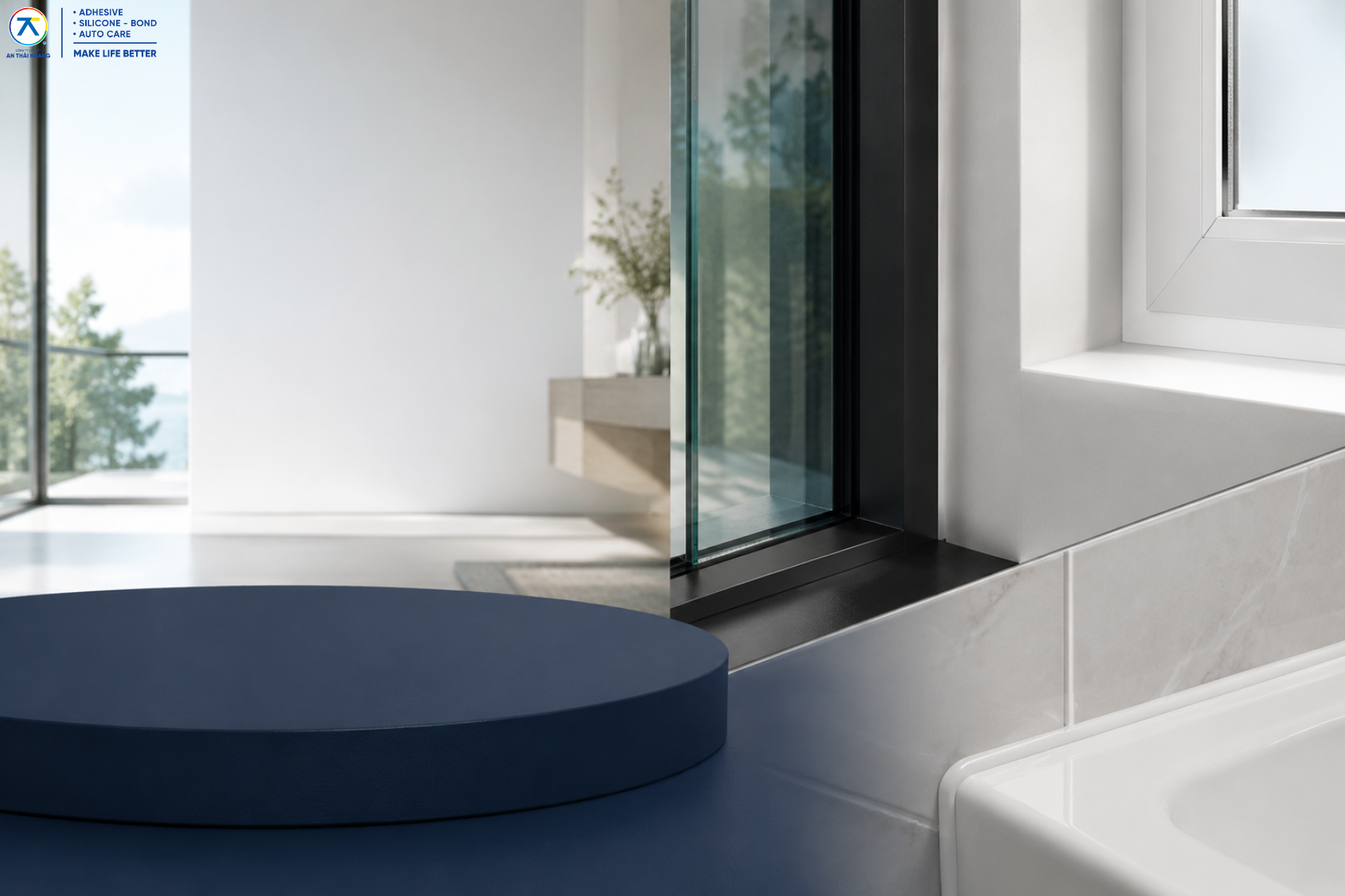
2.1. Where Glass Meets the Frame
Windows, doors, glass partitions, and railings all contain joints where glass meets the surrounding frame system.
In these areas, the silicone bead should run continuously and be large enough to fill the gap without becoming so bulky that it detracts from the clean, lightweight appearance of the glass.
WYNN A Silicone can be used on glass, door frames, aluminum frames, stainless steel, ceramic tiles, porcelain, and many other non-porous materials. It offers elasticity, good adhesion, and a smooth finished surface.
For aluminum and glass applications that also involve a wider range of construction materials, WYNN N Siliconeprovides greater flexibility thanks to its neutral-curing formulation and compatibility with various surfaces.
2.2. Where Door Frames Meet Walls
The joint between a door frame and the wall usually forms a continuous gap running along the entire frame.
A neatly applied silicone bead helps conceal the gap and creates a smoother transition between two materials with different surface characteristics.
WYNN N is suitable for joints around windows, doors, aluminum and glass systems, and various construction materials. It also offers resistance to mold, moisture, and weather exposure.
The key here is not to apply as much silicone as possible, but to create a continuous bead that is sufficient in size and adheres evenly to both sides of the joint.
2.3. Where Tiles, Porcelain, and Decorative Materials Meet
In kitchens, bathrooms, and interior finishing areas, silicone is also commonly used around ceramic tiles, porcelain, painted surfaces, and various decorative elements.
These joints are often directly visible, which makes their appearance particularly important.
When silicone is applied and tooled properly, it creates a cleaner transition between two surfaces while also helping prevent water and dust from entering the joint. WYNN N can be used on ceramic tiles, porcelain, wood, and many mixed-material applications for both interior and exterior projects.
3. Choose Silicone Based on the Materials Being Joined
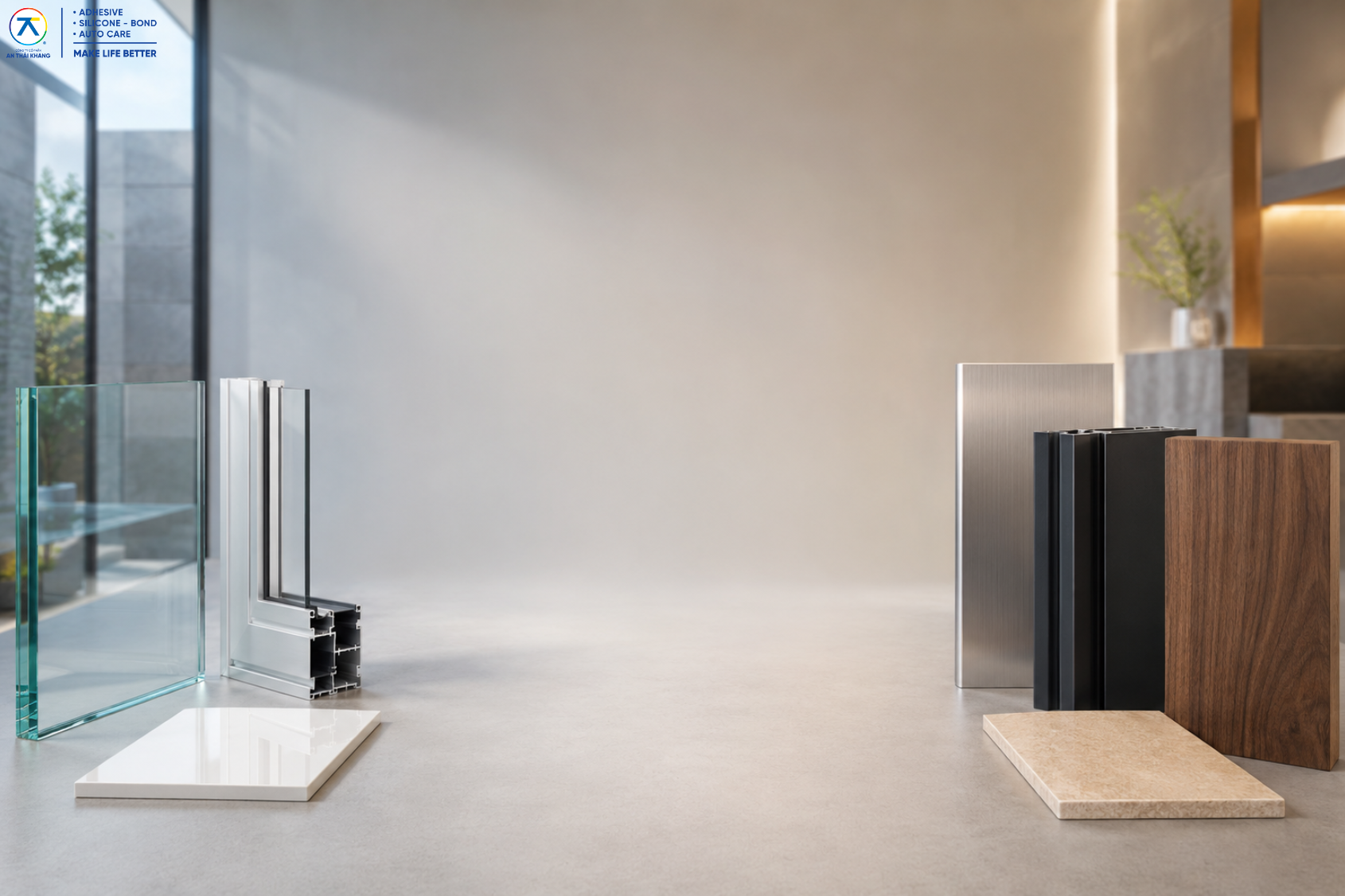
There is no need to begin by comparing a long list of technical specifications. A simpler approach is to first look at the two materials that need to be bonded or sealed.
For glass, ceramic tiles, and other common non-porous surfaces, acid-cure silicone is a familiar choice for many general-purpose glass bonding and sealing applications. WYNN A is designed for this type of use and can be applied to doors, aluminum frames, and many other non-porous surfaces.
When a project combines aluminum and glass, metal, wood, ceramic tiles, porcelain, or several different construction materials, neutral-cure silicone offers a more versatile range of applications. WYNN N is non-corrosive to metals and can be used in a wide variety of interior and exterior applications.
A simple selection process can be followed:
Materials to be joined → Application area → Environmental conditions → Suitable silicone type
This approach helps avoid choosing a sealant based only on color or curing speed while overlooking the characteristics of the actual surfaces involved.
4. A Clean Silicone Bead Starts Before Application
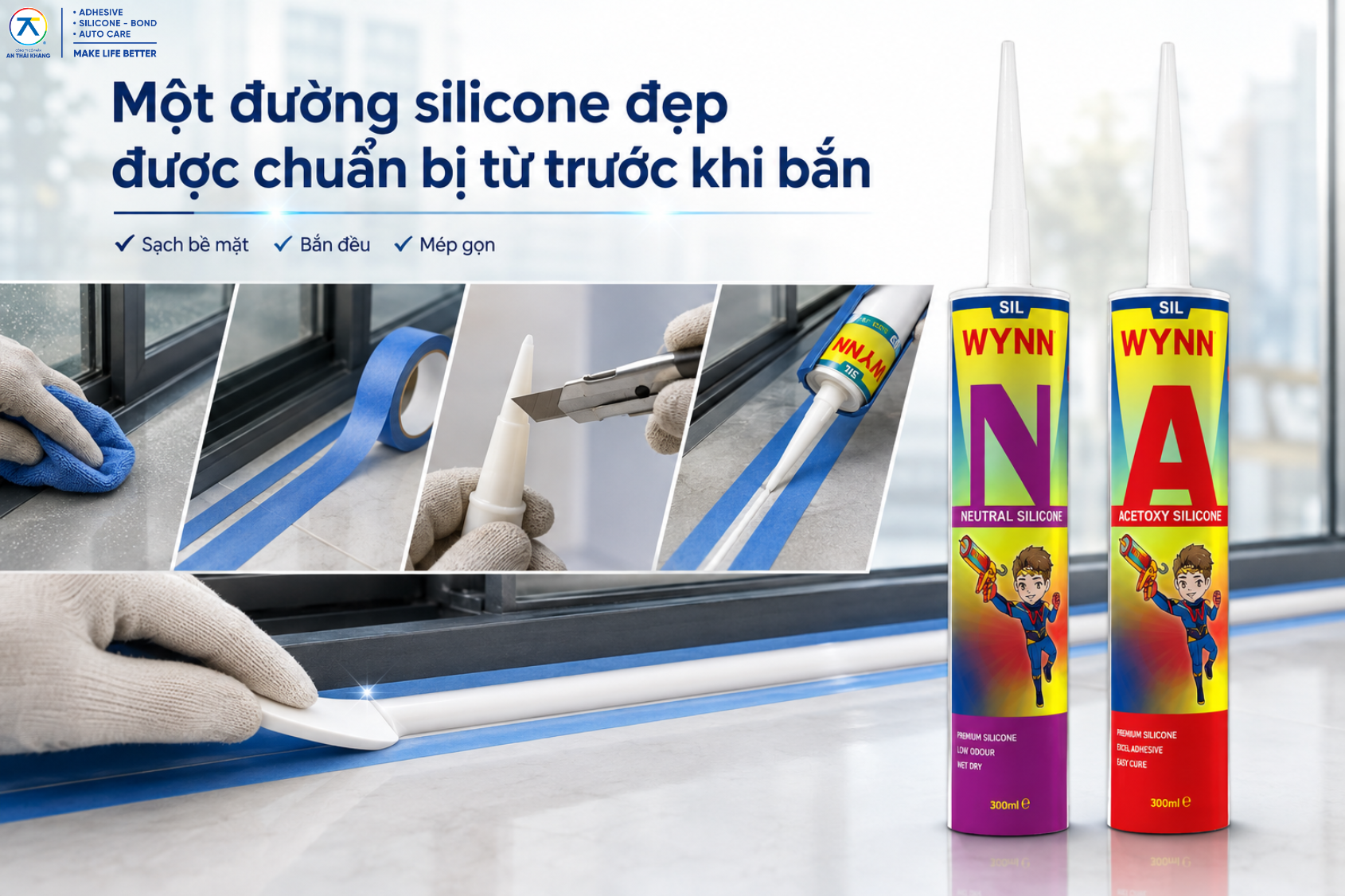
A neat silicone joint does not depend only on the final tooling step. Surface preparation and control of the amount of sealant applied also have a major impact on the finished result.
4.1. Prepare a Clean Application Area
Before applying silicone, remove dust, grease, old sealant, and other contaminants from the contact area. The surfaces should be clean and dry so the silicone can make direct contact with the materials.
Next, cut the nozzle according to the width of the joint. A narrow gap does not require a large nozzle opening, as excess silicone will make the finishing process more difficult to control.
For areas that require particularly straight edges, masking tape can be applied along both sides of the joint to define the silicone application area.
4.2. Apply Evenly and Tool While the Silicone Is Still Workable
When squeezing the trigger, move the sealant gun steadily along the joint rather than stopping for too long in one spot.
After application, tool the silicone while it is still workable so that the bead makes even contact with both edges of the joint. Excess silicone should also be removed before it cures. This basic process applies to both WYNN A and WYNN N.
A good silicone bead does not need to be oversized. What matters most is maintaining three key qualities:
Properly sealed – Continuous – Clean edges
For more detailed guidance on cutting the nozzle, handling the sealant gun, and checking the quality of the finished bead, you can refer to How to Apply Silicone Neatly and Test Sealant Properly. The article focuses on application techniques and how to evaluate a silicone joint after completion.
5. Conclusion
Silicone may make up only a very small part of a finished installation, but it is positioned exactly where different surfaces meet.
From glass and aluminum frames to door frames and walls, as well as tiles, porcelain, and other finishing materials, silicone creates cleaner transitions while helping keep joints sealed and protected.
WYNN A Acid-Cure Silicone is suitable for many common glass bonding and gap-sealing applications, while WYNN N Neutral-Cure Silicone offers greater versatility across various construction materials and applications requiring resistance to moisture, mold, and weather exposure.
The most important considerations remain the same: identify the materials correctly, choose the right silicone, and apply a bead that is just sufficient for the joint.
When even the smallest joints are finished carefully, glass doors, wall frames, and interior surfaces can look more seamless, clean, and professionally completed.
AN THAI KHANG JSC
- • Fanpage: An Thái Khang JSC
- • Hotline: 0764 644 245
- • Email: support@anthaikhang.com
- • Website: https://anthaikhang.com/