
What Glue Should You Use for Book Spine Binding?
What glue should you use for book spine binding to make the spine strong, durable, and resistant to peeling? Learn how to choose the right book spine adhesive and discover Golden Dragon Adhesive for notebooks, booklets, and handmade books.

When making notebooks, document booklets, catalogues, instruction manuals, or handmade bound publications, choosing the right adhesive is one of the most important factors. If the wrong glue is used, the book spine can easily peel, crack, separate from the paper, or lose its firmness after a period of use. That is why the question “What glue should be used for book spine binding?” is often asked by printing workshops, finishing facilities, handmade product makers, and individual users.
In practice, not every type of glue is suitable for book spine binding. The spine is an area that is constantly under stress when the book is opened, folded, pulled, and flipped through. Adhesive used for this area must offer strong bonding strength, stable flexibility, relatively fast drying time, minimal paper wetting, and the ability to firmly bond the paper block to the cover. Among the adhesives that can be used for notebooks, booklets, and cover materials, Golden Dragon Adhesive is a worthwhile option thanks to its strong adhesion and flexible application on various surfaces.
1. What Glue Is Suitable for Book Spine Binding?
To answer the question “What glue should you use for book spine binding?” accurately, it is necessary to first determine the intended use. For industrial bookbinding with specialized machines, printing factories often use hot melt glue or specialized spine-binding adhesives. However, for handmade book spine binding, notebook binding, booklet binding, cover bonding, or small-scale post-printing finishing, users can consider adhesives with high bonding strength and good flexibility.
A good book spine adhesive should meet the following criteria:
Strong adhesion on paper, cardboard, simili leather, leather, or covered materials.
Good flexibility so the spine does not become brittle or break when opened and closed.
Relatively fast drying time to save production time.
Minimal paper deformation.
Stable durability after drying.
Easy application with a brush, scraper, or manual tools.
Based on these requirements, solvent-based yellow adhesives such as Golden Dragon Adhesive can be suitable for many cases involving cover materials, notebooks, booklets, or details that require a strong yet flexible bond.
2. Why Should You Avoid Using Glue That Is Too Brittle for Book Spine Binding?
Many people focus only on adhesive strength when binding book spines and overlook flexibility. This is a common mistake. The book spine is frequently subjected to pressure when users open, fold, or turn pages. If the glue is too hard and brittle, the adhesive layer may crack after a period of use, causing the cover to peel or the pages to separate from the spine.
Therefore, glue used for book spine binding must not only bond strongly but also maintain a certain level of flexibility. This is especially important for thick books, notebooks, or document booklets. The thicker the product, the more the spine requires an adhesive with good elasticity to maintain a stable bond, reduce glue cracking, prevent pages from coming loose, and improve the durability and appearance of the finished product.
3. Is Golden Dragon Adhesive Suitable for Book Spine Binding?
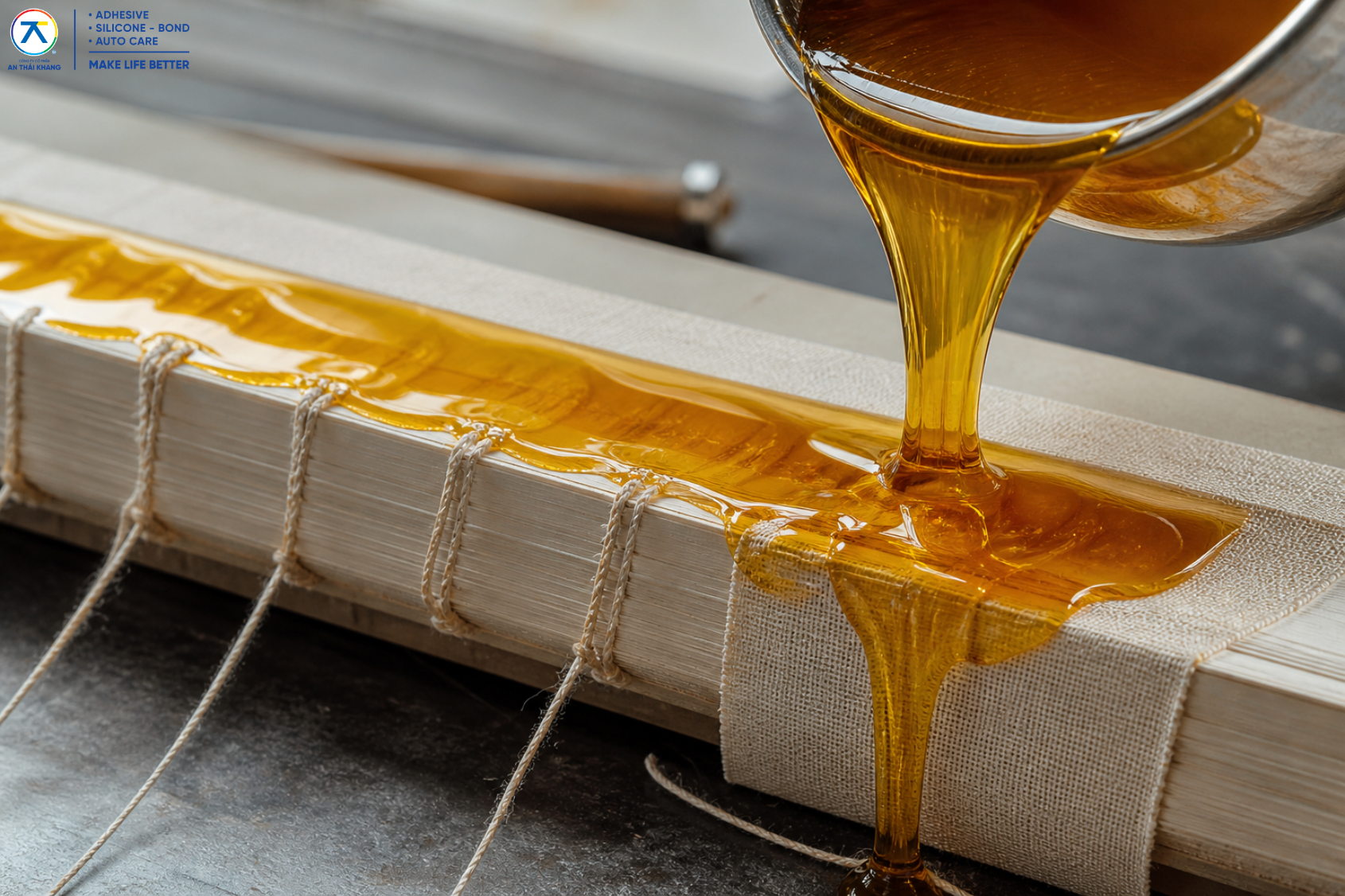
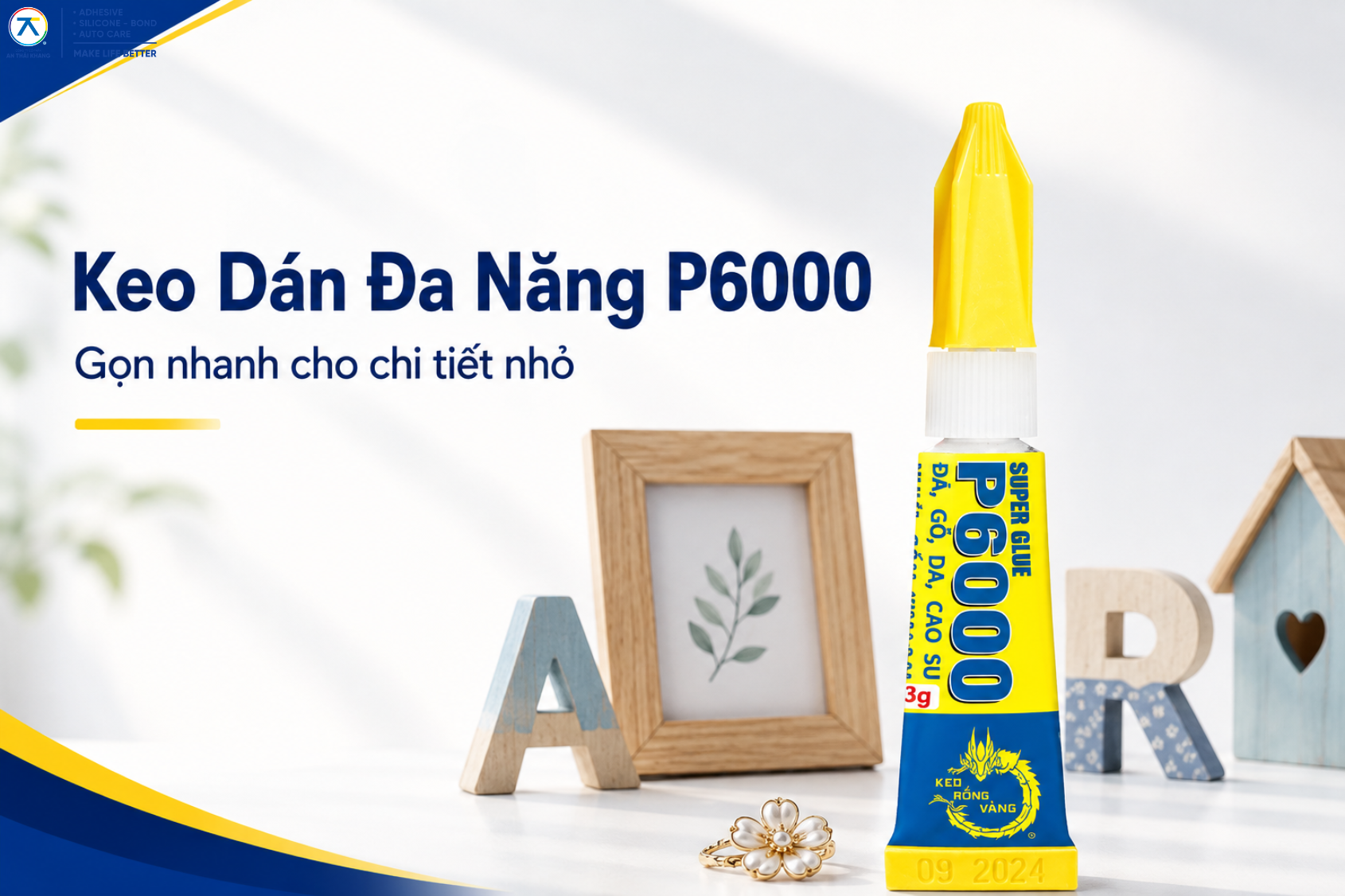
Golden Dragon Adhesive is a solvent-based yellow adhesive with strong bonding performance. It is suitable for many materials that require a firm bond while still maintaining a certain degree of flexibility after drying. Depending on the specific product code, the adhesive can be used for various applications such as cover bonding, coated material bonding, notebook binding, booklet binding, or handmade finishing details.
For book spine binding, Golden Dragon Adhesive can be used in applications such as notebook spine bonding, handmade booklet binding, bonding covers to paper blocks, or attaching cover materials such as simili leather, leather, fabric, and cardboard. Thanks to its stable adhesion and flexible dried film, the adhesive helps strengthen the book spine and reduces edge peeling, page separation, and glue cracking during use.
This makes it a suitable choice for products that require durability, aesthetic finishing, and strong spine fixation, especially in manual bonding processes or post-printing finishing work.
4. Advantages of Golden Dragon Adhesive for Notebooks and Booklets
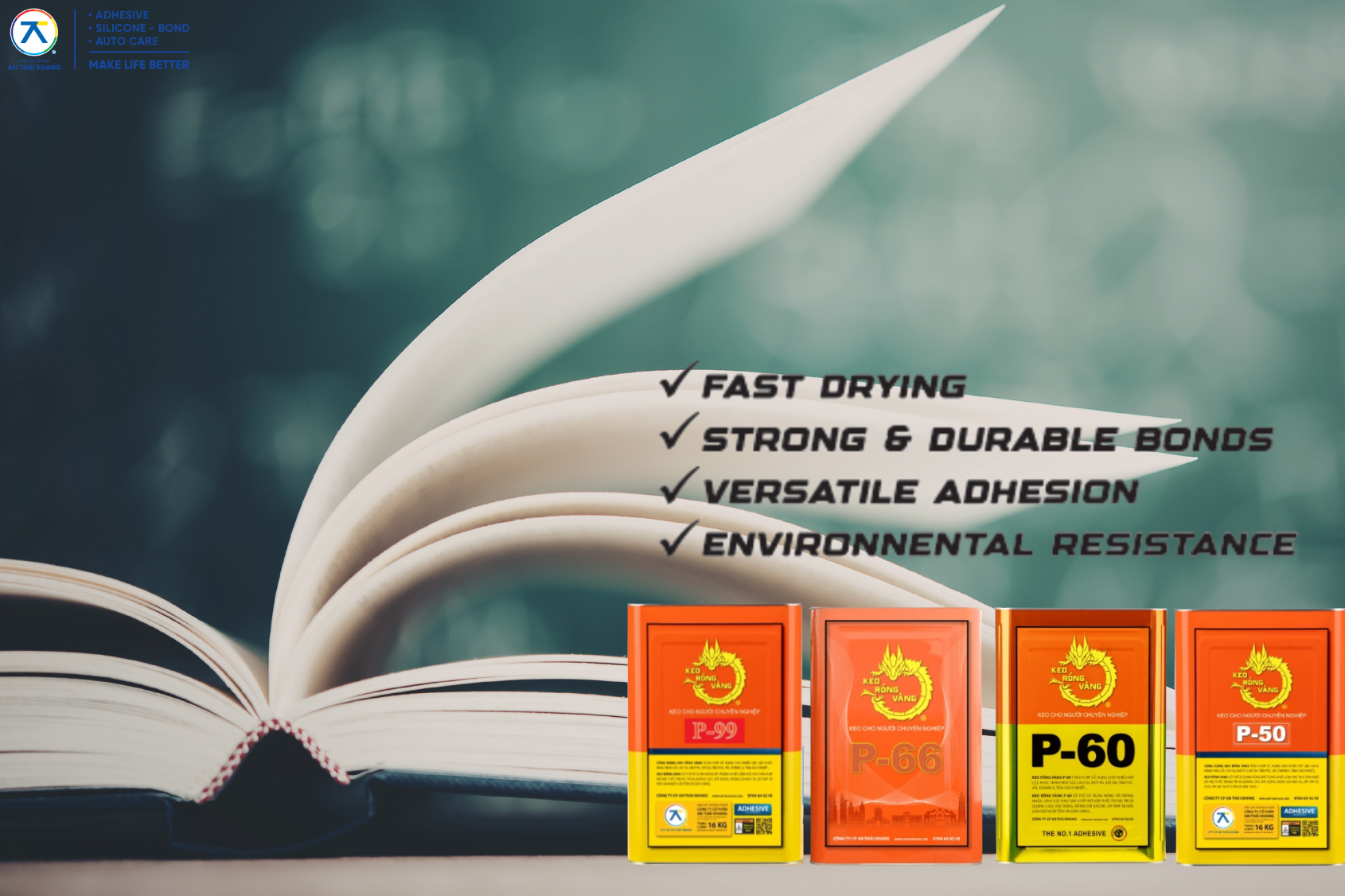
When users search for what glue to use for book spine binding, they are not only looking for the name of a glue type. They also want to know whether that glue can make the final product more durable. For spine bonding, cover bonding, and post-printing finishing, Golden Dragon Adhesive offers several notable advantages.
4.1 Strong Adhesion
The book spine needs a firm connection between the paper block and the cover layer. If the adhesive bond is weak, pages can easily come loose during use. Golden Dragon Adhesive can create a stable bond on many material surfaces, helping the book spine become stronger and more secure.
4.2 Flexibility After Drying
This is an important factor for book spines. When a book is opened, the spine usually stretches slightly. An adhesive with good flexibility helps reduce glue cracking, spine breakage, and peeling after long-term use.
4.3 Convenient Application
Golden Dragon Adhesive can be applied with a brush, scraper, or manual tool depending on production needs. This makes it suitable for small workshops, post-printing finishing facilities, and handmade notebook makers.
4.4 Versatile Applications
In addition to paper and cardboard, notebooks and booklets may also include simili leather, genuine leather, fabric, foam, rubber, or decorative materials. Golden Dragon Adhesive can support bonding across different material types, making the finishing process more convenient.
5. When Should You Choose Golden Dragon Adhesive for Book Spine Binding?
Not every application requires the same type of adhesive. You can consider using Golden Dragon Adhesive when:
Making handmade or semi-handmade notebooks.
Binding booklets in small or medium quantities.
Bonding hardcover, softcover, simili leather, leather, or outer covering materials.
Producing items that require strong adhesion and flexibility.
Bonding multiple types of materials in the same product.
Handling post-printing details such as cover bonding, spine reinforcement, or outer layer application.
For example, when making a notebook with a simili leather cover, the spine must not only bond to paper but also connect with the cover, coating layer, and decorative materials. In this case, an adhesive that can bond well to multiple surfaces, such as Golden Dragon Adhesive, is more convenient than adhesives that are suitable only for paper.
6. How to Use Golden Dragon Adhesive for Effective Book Spine Binding
For a strong and clean bond, the application method is just as important as choosing the right glue. If the surface contains dust, oil, moisture, or uneven glue coverage, the spine may still peel even when a good adhesive is used.
6.1 Prepare the Book Spine Surface
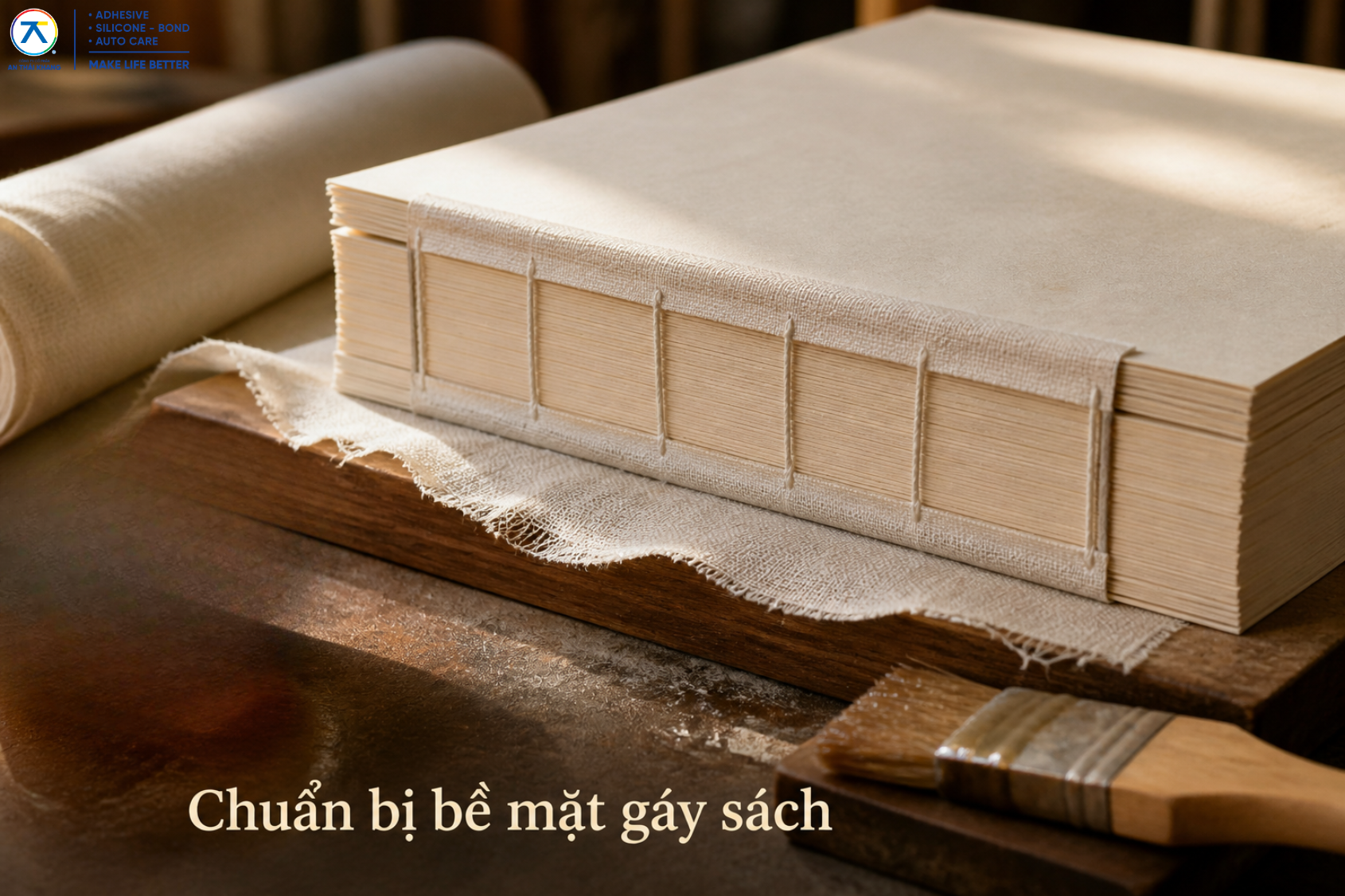
Align the paper block evenly and clamp the paper section that needs to be bonded. The spine surface should be dry, clean, and free from paper dust, oil, or dirt. If a cover is also being attached, make sure the inner side of the cover is clean and dry as well.
6.2 Apply an Even Layer of Adhesive
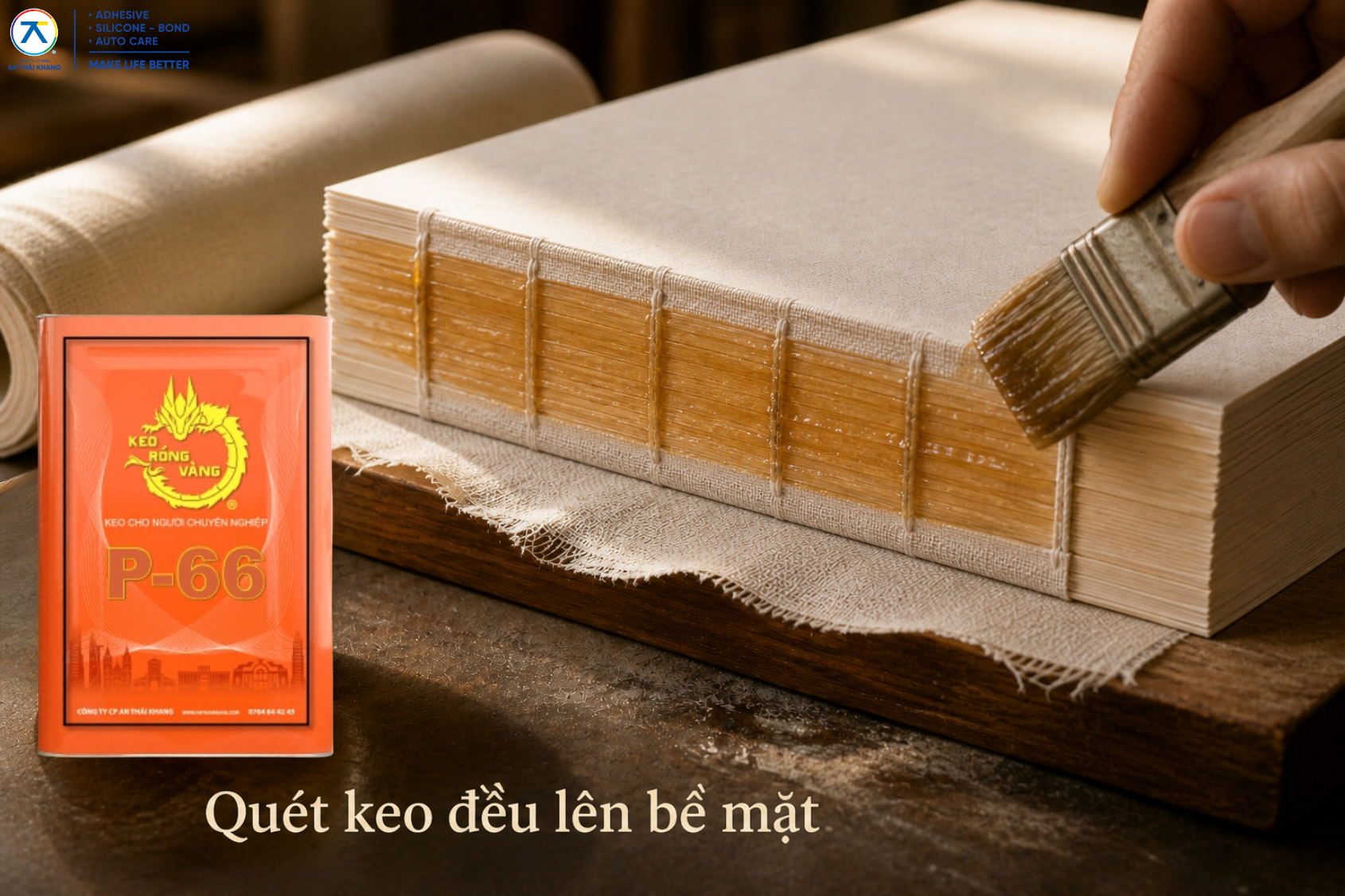
Apply a sufficient amount of glue to the book spine and the bonding surface. Avoid applying too little glue because the bond may become weak. However, do not apply too much glue either, as this can cause smudging, longer drying time, and poor appearance.
6.3 Wait Until the Adhesive Reaches the Right Condition
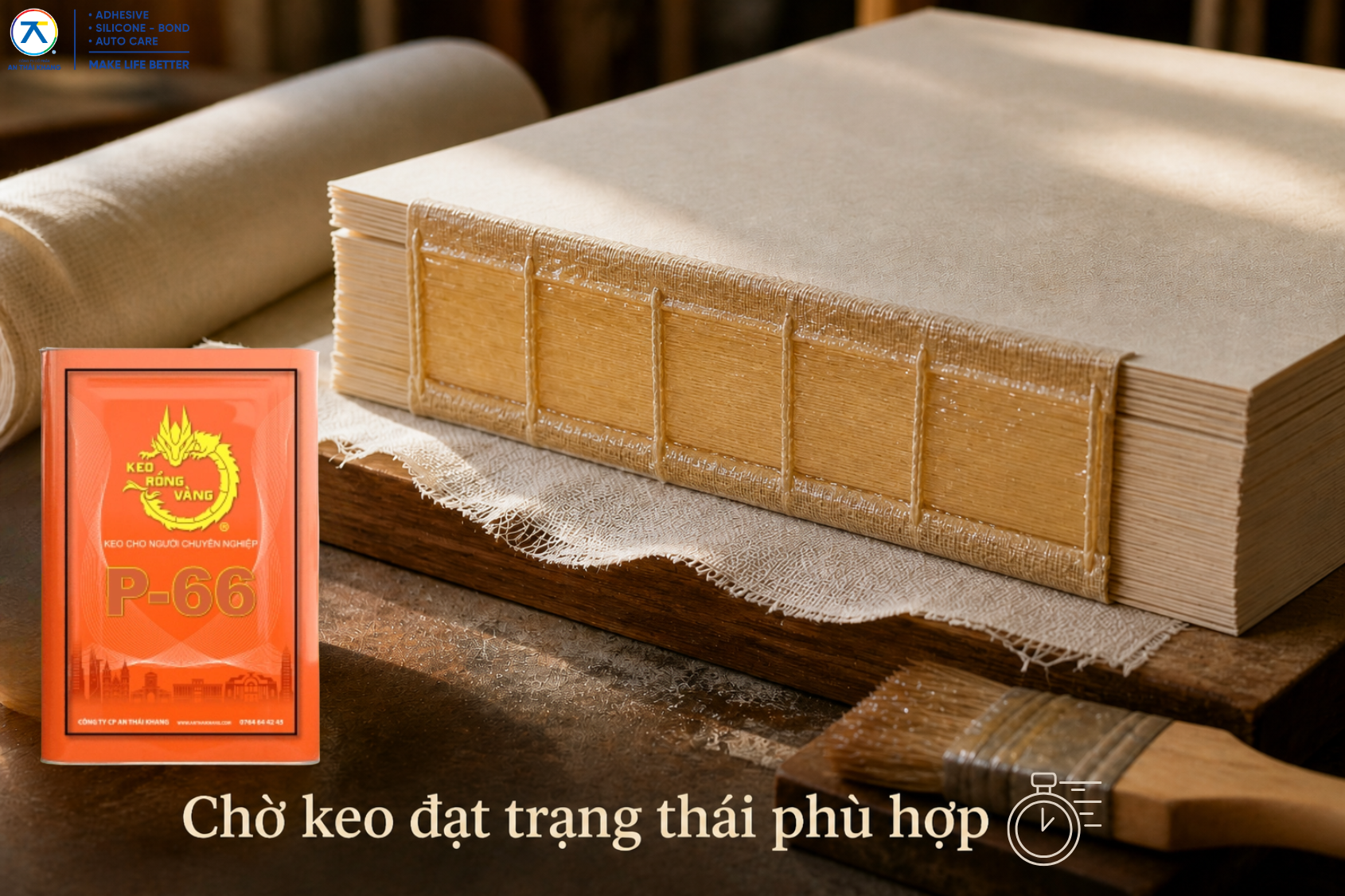
For solvent-based yellow adhesives, after applying the glue, it is necessary to wait for a certain period so the solvent can partially evaporate before pressing the two surfaces together. The waiting time may vary depending on the specific adhesive code, glue layer thickness, and working conditions.
6.4 Press the Spine Firmly and Evenly
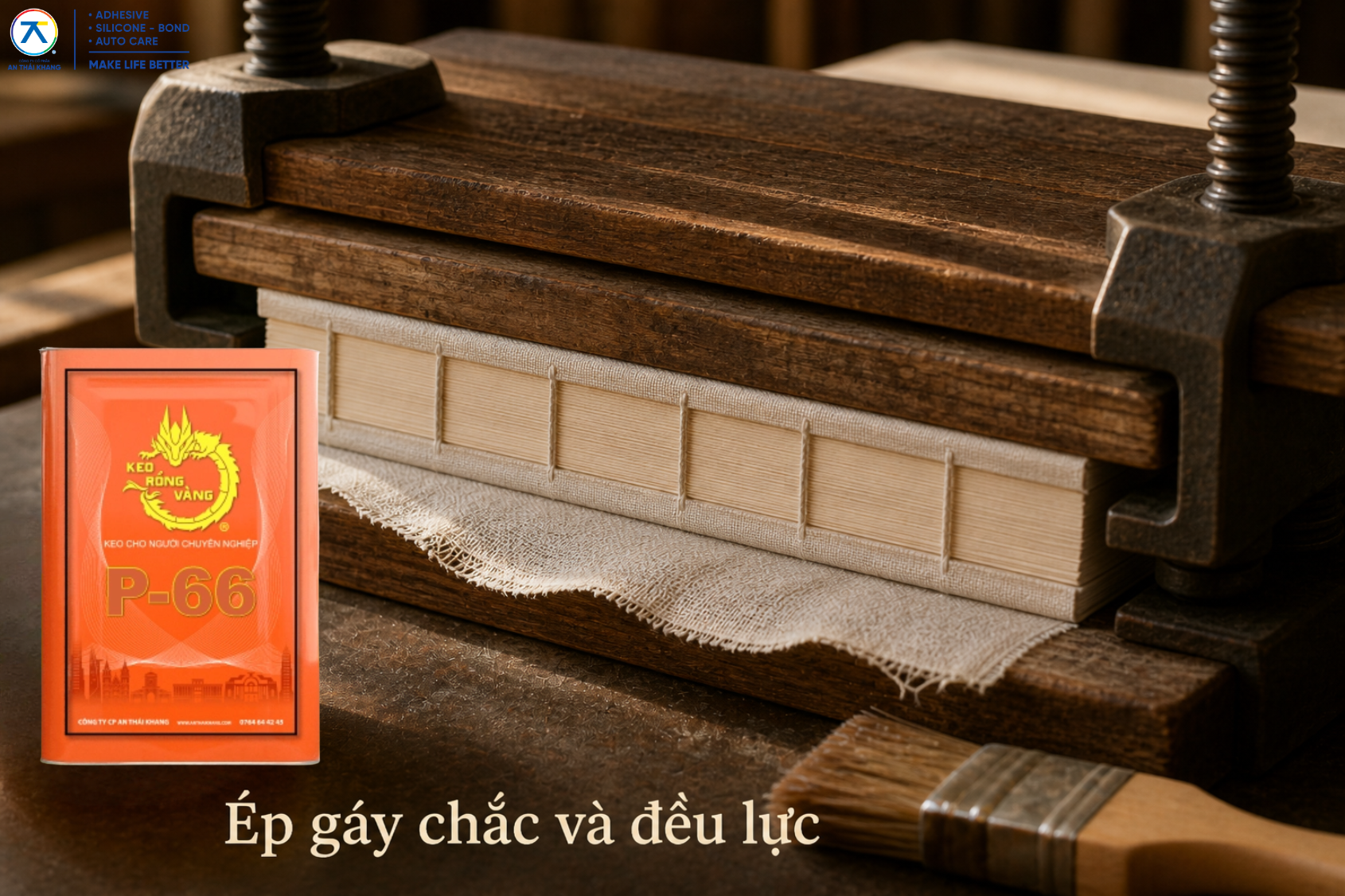
After aligning the position correctly, press the book spine with even force. You can use a pressing bar, paper clamps, a press table, or fixing tools to keep the spine stable while the adhesive dries. Even pressure helps improve surface contact and reduces edge gaps.
6.5 Allow the Adhesive to Dry Properly Before Use
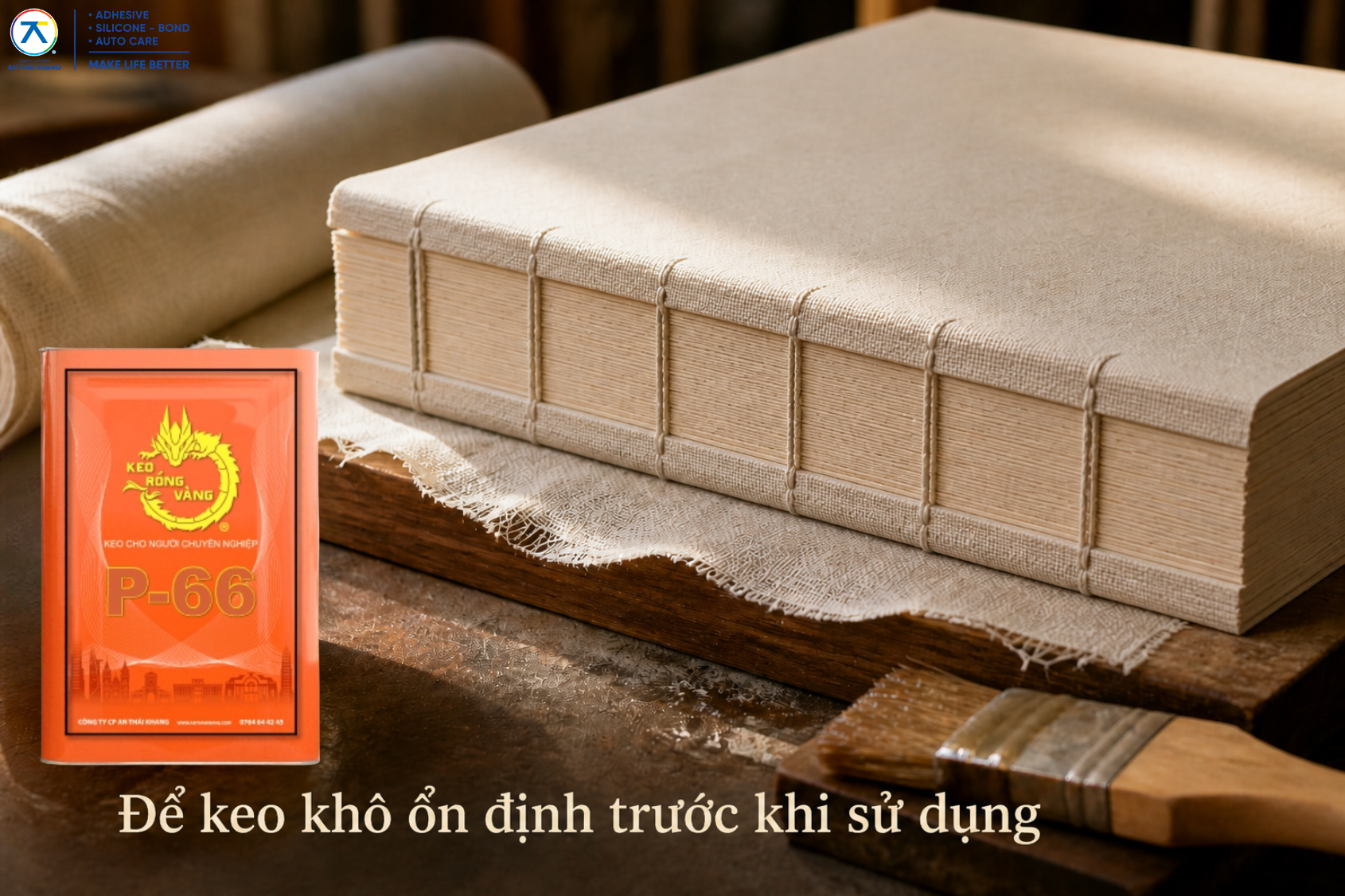
Do not open the book too soon while the adhesive has not fully stabilized. Let the finished product rest long enough for the bond to reach the required strength. This helps prevent spine peeling, spine bending, and page separation during use.
7. Common Mistakes When Using Glue for Book Spine Binding
Even after choosing the right adhesive, the final product can still have defects if the application process is incorrect. Below are common mistakes to avoid.
7.1 Applying Too Little Glue
If the adhesive layer is too thin or uneven, some areas of the spine will not have enough bonding strength. After the book is opened several times, pages may start to come loose.
7.2 Applying Too Much Glue
A glue layer that is too thick makes the spine dry more slowly, causes smudging, affects the appearance, and may make the spine unevenly stiff.
7.3 Bonding Before the Adhesive Is Ready
For solvent-based adhesives, waiting time is required so the solvent can partially evaporate. If the surfaces are bonded too early, the adhesive may not achieve optimal bonding strength.
7.4 Not Pressing the Spine Firmly Enough
After bonding, if the spine is not fixed and pressed properly, the two surfaces may separate, shift, or fail to contact evenly.
7.5 Using the Book Too Soon
Adhesive needs time to dry and stabilize. If the book is opened immediately after bonding, the spine may become weak, bent, or peeled at the edges.
8. Comparing Golden Dragon Adhesive with Other Types of Book Spine Glue
To choose the right answer to what glue should be used for book spine binding, you can refer to the comparison table below:
Type of Glue | Advantages | Limitations | Suitable For |
PVA Glue / White Glue | Easy to use, common, low odor, suitable for bonding paper and cardboard manually | Adhesion on simili leather, leather, tarpaulin, or difficult-to-bond surfaces may not be high | Paper bonding, thin cardboard, simple handmade products |
Hot Melt Glue | Strong adhesion, commonly used in professional bookbinding, suitable for large-scale production | Requires machinery, heating equipment, and proper process control | Printing factories and industrial bookbinding facilities |
502 Glue / Super Glue | Dries very quickly, easy to buy, convenient for small details | The bond can become hard and brittle; may damage paper if used incorrectly | Not recommended as the main adhesive for book spine binding |
Golden Dragon Adhesive | Strong adhesion, flexible bond, can bond various materials such as paper, cardboard, simili leather, leather, and fabric | Should be applied in a well-ventilated area and requires waiting time before pressing surfaces together | Notebook spine binding, handmade booklets, cover bonding, post-printing finishing |
9. Safety Notes When Using Golden Dragon Adhesive
Because Golden Dragon Adhesive belongs to the solvent-based adhesive group, users should pay attention to safety during application. Use the adhesive in a well-ventilated area, keep it away from heat sources, do not smoke in the working area, and avoid direct contact with skin and eyes.
After use, close the lid tightly to reduce solvent evaporation. The product should be stored in a dry, cool, and well-ventilated place, away from direct sunlight, heat sources, and fire. For each specific adhesive code, users should carefully review the manufacturer’s instructions and technical specifications before application.
10. Conclusion
If you need an adhesive suitable for cover bonding, notebook spine binding, booklet binding, or bonding multiple materials in handmade finishing, you can consider the Golden Dragon Adhesive product lines from An Thái Khang to choose the most suitable adhesive code for your specific application.
Choosing the right adhesive helps make the book spine stronger, reduces peeling, increases durability, and improves the overall appearance of the finished product. At the same time, proper application is essential: clean the surface, apply the glue evenly, wait until the adhesive reaches the right condition, press the spine with sufficient force, and allow the glue to dry properly before use.
AN THAI KHANG JSC
- • Fanpage: An Thái Khang JSC
- • Hotline: 0764 644 245
- • Email: support@anthaikhang.com
- • Website: https://anthaikhang.com/