
Carnauba Wax: From Dull Surfaces to a Natural Shine
Discover how to use MIRA carnauba wax to care for and restore the shine of wood, painted surfaces, metal, stone, and many other items in a simple, convenient, and easy-to-follow way.
A wooden table may still be in good condition, yet its surface no longer looks as bright as it once did. A metal detail may begin to lose its shine, or a painted surface may appear dull and lifeless after extended use. These may seem like small changes, but they can noticeably affect the overall appearance of an item.
Instead of completely refinishing the surface, you can start with a simpler approach: cleaning and polishing it again.
MIRA Polishing Cream is made with 100% pure carnauba wax, helping clean surfaces, restore their shine, and create a protective layer on a variety of materials, including wood, painted surfaces, metal, chrome, stone, plastic, and fiberglass.
The key is that you do not need to use a large amount of cream. A thin layer applied and polished properly will usually create a more natural and even finish.
1. When Does a Surface Need to Be Polished Again?

You do not have to wait until an item shows obvious signs of deterioration before giving it proper care.
The most noticeable signs are a gradual loss of shine, colors that appear less vibrant, or small scratches that make the overall surface look less clean and polished than before.
On wooden items, these signs are often visible on tabletops, handrails, or areas that are frequently touched or used. Metal and chrome surfaces may gradually lose their luster, while painted surfaces may no longer reflect light as clearly as they once did.
This is an appropriate time to use carnauba wax as part of regular surface care rather than completely refinishing or replacing the item.
MIRA does not create a new layer of color. Instead, the product is designed to enhance the existing beauty of the surface while helping reduce the appearance of minor scratches and creating a protective film.
2. A Beautiful Polish Starts with Using the Right Amount of Cream

One common mistake when using polishing cream is applying too much product under the assumption that a thicker layer of wax will create a shinier surface.
In practice, a thin and even layer is much easier to work with.
2.1. Clean the Surface Before Applying the Cream
First, remove dust and dirt from the item and allow the surface to dry completely.
Next, apply a small amount of MIRA Polishing Cream to a soft cloth and spread it over the surface using circular motions.
For tables, cabinets, or other large surfaces, it is best to work in smaller sections. This makes it easier to control the amount of cream and achieve a more even shine instead of treating the entire surface at once.
2.2. Allow the Wax to Set on the Surface
After applying the cream evenly, allow it to dry naturally for approximately 10–15 minutes.
This gives the wax enough time to set before the final polishing step. There is no need to keep rubbing the surface immediately after application.
Once the surface is ready, use a separate clean cloth to gently buff it until the hazy layer of cream disappears and the shine begins to appear.
If you would like to enhance the finish further, you can repeat the process one or two more times rather than applying one thick layer from the beginning.
The MIRA application process can be summarized very simply:
Clean → Apply a thin layer → Wait → Buff
3. One MIRA Polishing Cream, Different Results on Different Surfaces
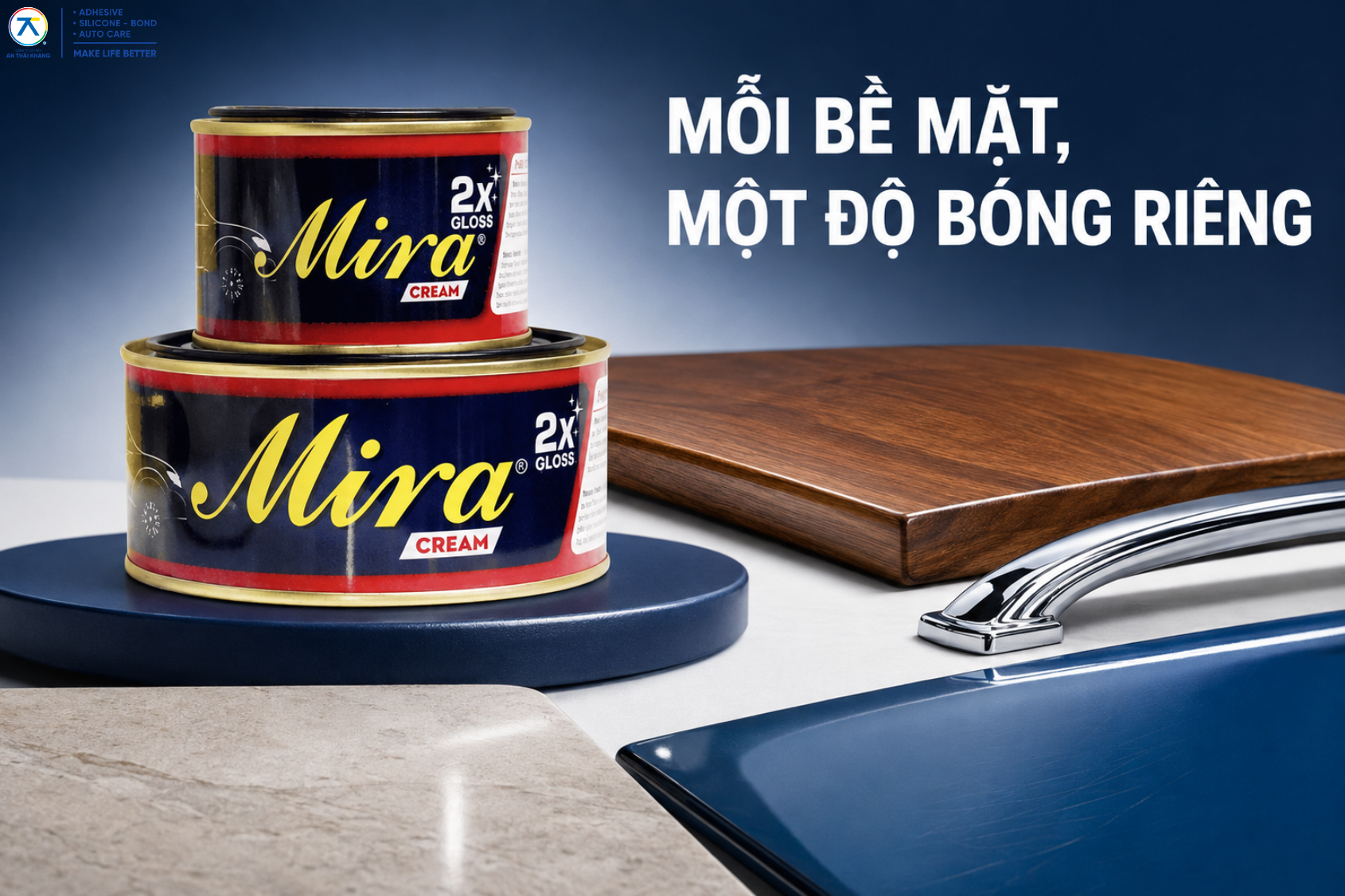
One interesting characteristic of carnauba wax is that the desired level of shine does not necessarily need to be the same for every material.
On wood, the goal is often to make the color and grain appear cleaner, richer, and more defined. A moderate, natural-looking shine is usually more suitable than an excessively glossy finish.
On metal or chrome, light is reflected more strongly, making the polishing effect easier to notice, especially on smaller details such as handles, fittings, or decorative elements.
On painted surfaces, MIRA helps restore shine and reduce the appearance of minor scratches, creating a smoother and more uniform finish.
For stone, plastic, or fiberglass surfaces, it is best to begin with a small amount on a test area before treating the entire surface.
Instead of using the same amount of cream for every item, you can adjust the quantity depending on the surface area and the finish you want to achieve.
Large surfaces require even coverage.
Small details require greater control.
Decorative surfaces need just the right amount of shine.
4. A Beautiful Shine Depends on the Final Finishing Step
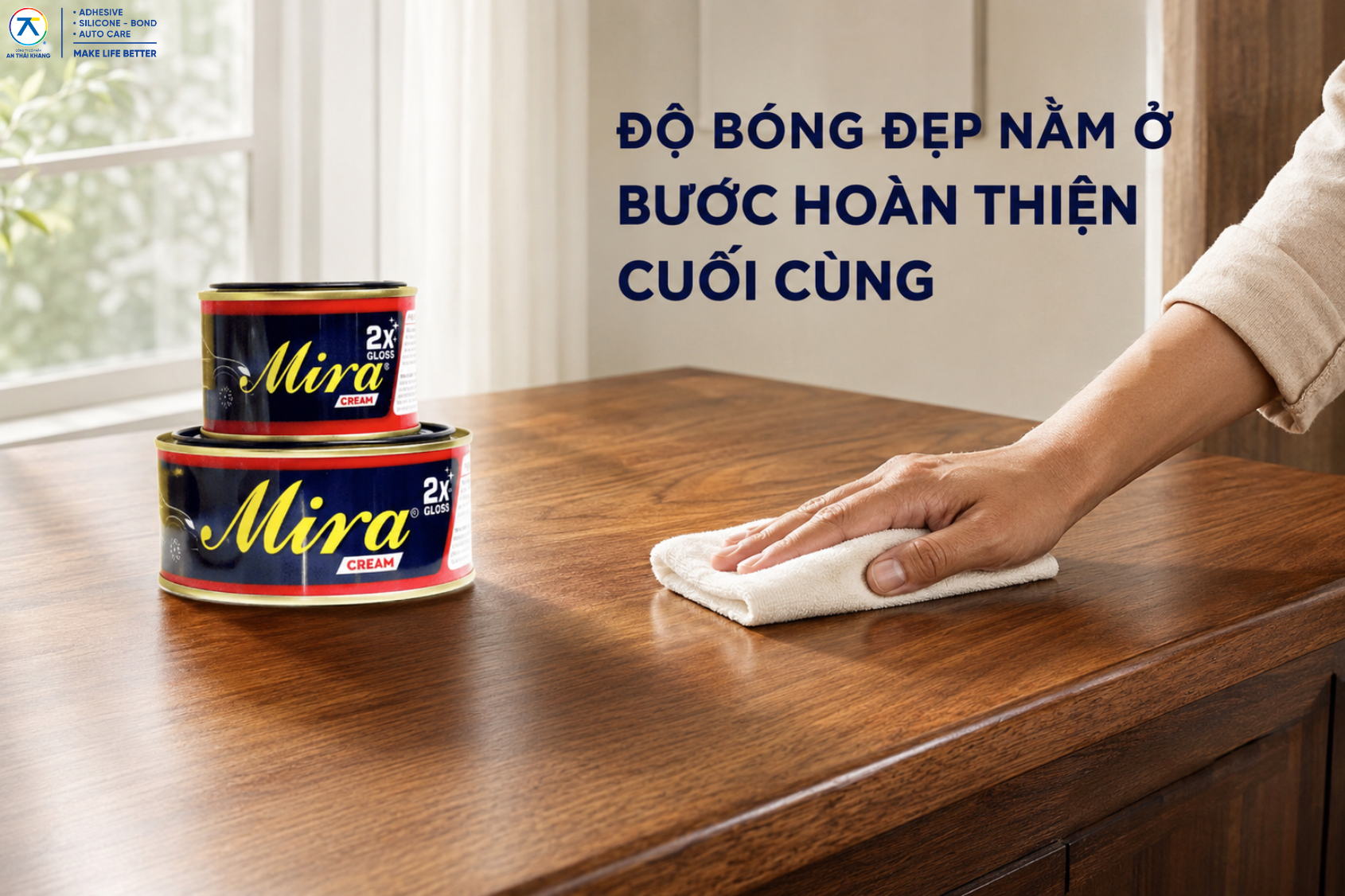
After polishing, examine the item under normal, real-world lighting conditions.
4.1. An Excessively Glossy Finish Is Not Always Necessary
A beautiful surface does not necessarily need to be highly reflective. For many items, especially wooden surfaces, a natural and even sheen often creates a more refined and visually pleasing appearance.
If one area appears shinier than the rest, gently buff it again with a clean cloth to help balance the overall finish.
For smaller details, remember to check the edges and corners to ensure that no polishing cream remains trapped or accumulated in these areas.
4.2. Keep the Surface Clean After Polishing
Once the polishing process is complete, the carnauba wax helps create a protective film against water, dust, UV rays, and oxidation.
During regular use, simply wipe the surface with a soft cloth and polish it again when you notice that its shine has begun to fade.
There is no need to repeat the process too frequently. Instead, base the timing of the next polishing session on the actual condition of the item.
Any remaining MIRA Polishing Cream should be kept tightly sealed and stored in a cool, dry, and well-ventilated place away from direct sunlight and heat sources to help maintain its condition for future use.
5. Conclusion
The value of carnauba wax goes beyond simply making a surface look shinier.
When used properly, a layer of wax can help restore a cleaner, smoother, and more polished appearance while also adding an extra layer of protection during everyday use.
With MIRA Polishing Cream, the process does not require many steps: clean the surface, apply a thin layer, wait approximately 10–15 minutes, and then buff it with a clean cloth.
The most important point is to polish only as much as needed to preserve the natural appearance of the material, rather than trying to create an unnecessarily thick layer of wax.
Even when a surface has begun to lose its shine, the right care and polishing process can help restore a cleaner, glossier, and more refined appearance.
AN THAI KHANG JSC
- • Fanpage: An Thái Khang JSC
- • Hotline: 0764 644 245
- • Email: support@anthaikhang.com
- • Website: https://anthaikhang.com/