
Tips for Using RV Lubricant Spray Properly
Learn how to use RV Lubricant Spray properly, from inspecting and preparing metal surfaces to choosing the right spray points, applying the product with control, and storing it correctly for cleaner, more convenient maintenance.
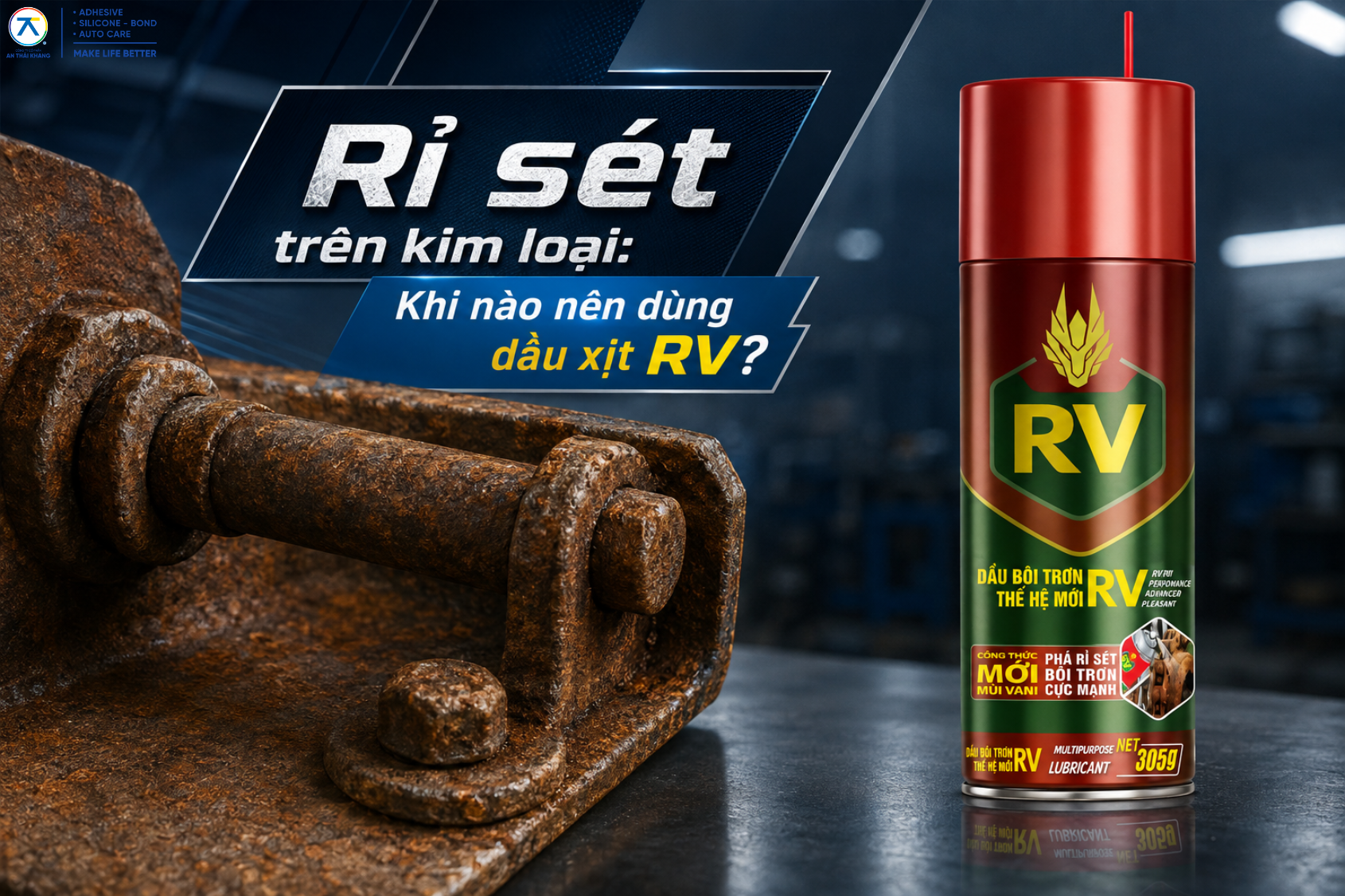
During the use of metal equipment, tools, and components, problems such as difficult-to-remove bolts, stiff moving joints, or rust forming around connection points can make maintenance more inconvenient. Instead of applying excessive force from the beginning, users can choose a suitable supporting product to handle the affected area in a more controlled way.
One product worth considering is RV Lubricant Spray. Its spray format makes it easier to apply the product to relatively small areas or locations that are difficult to reach directly by hand. However, effective use involves more than simply spraying the product onto a surface. Inspecting the component, preparing the work area, identifying the exact point that needs treatment, and handling the part properly after application are all important steps.
Below are practical tips for using RV Lubricant Spray in a simple, controlled, and appropriate way for different maintenance situations.
1. Identify the Right Area Before Using RV Lubricant Spray
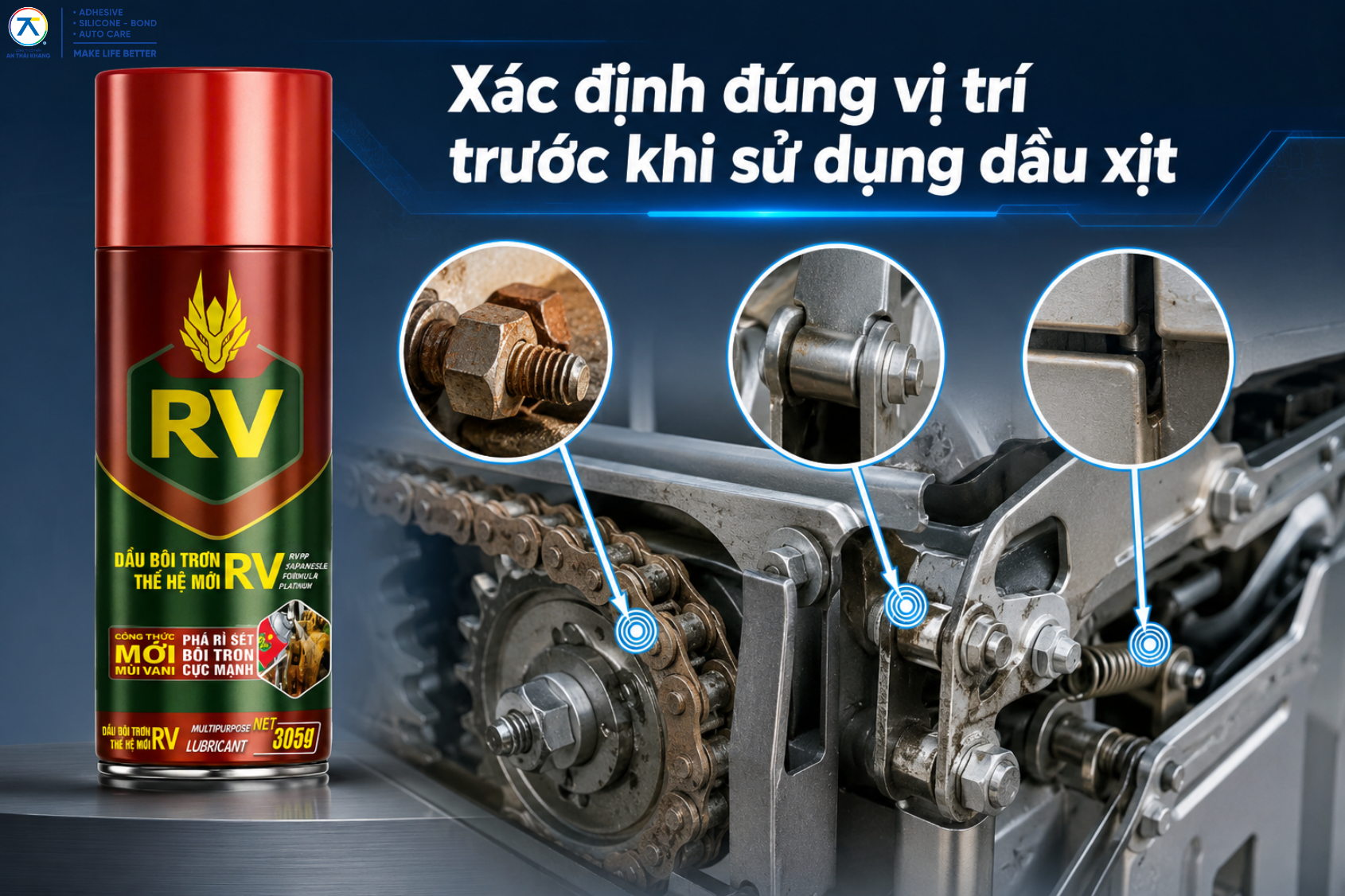
Before applying any spray product to equipment or metal components, the first step is to identify exactly what problem needs to be addressed.
Not every part of the surface needs to be sprayed. In many cases, users only need to focus on specific areas such as connection points, threaded gaps, moving joints, or sections where rust is interfering with normal operation.
Defining the treatment area helps prevent unnecessary overspray and also makes the surrounding area easier to clean after maintenance.
1.1. Inspect Bolts, Nuts, and Threaded Connections
Bolts and nuts that have been in use for a long time may become difficult to remove because of dirt, moisture, or oxidation around the connection.
When this happens, avoid immediately applying excessive torque. Using too much force before inspecting the component may deform the bolt head, damage the threads, or make subsequent repair work more difficult.
Instead, inspect the threaded section and the surrounding contact area. If lubrication or support in loosening a rusted connection is required, the lubricant spray can be applied specifically to the affected area rather than across the entire component.
1.2. Check Joints and Moving Components
Hinges, joints, and other mechanical parts that move repeatedly are also important areas to inspect during equipment maintenance.
If a component no longer moves as smoothly as before, first determine whether the problem is caused by dirt, an obstruction, mechanical deformation, or insufficient lubrication.
Once the exact area requiring treatment has been identified, a spray product can make it easier to reach narrow gaps. However, the amount applied should still be controlled and used in accordance with the manufacturer's instructions.
2. Surface Preparation Makes Application More Effective
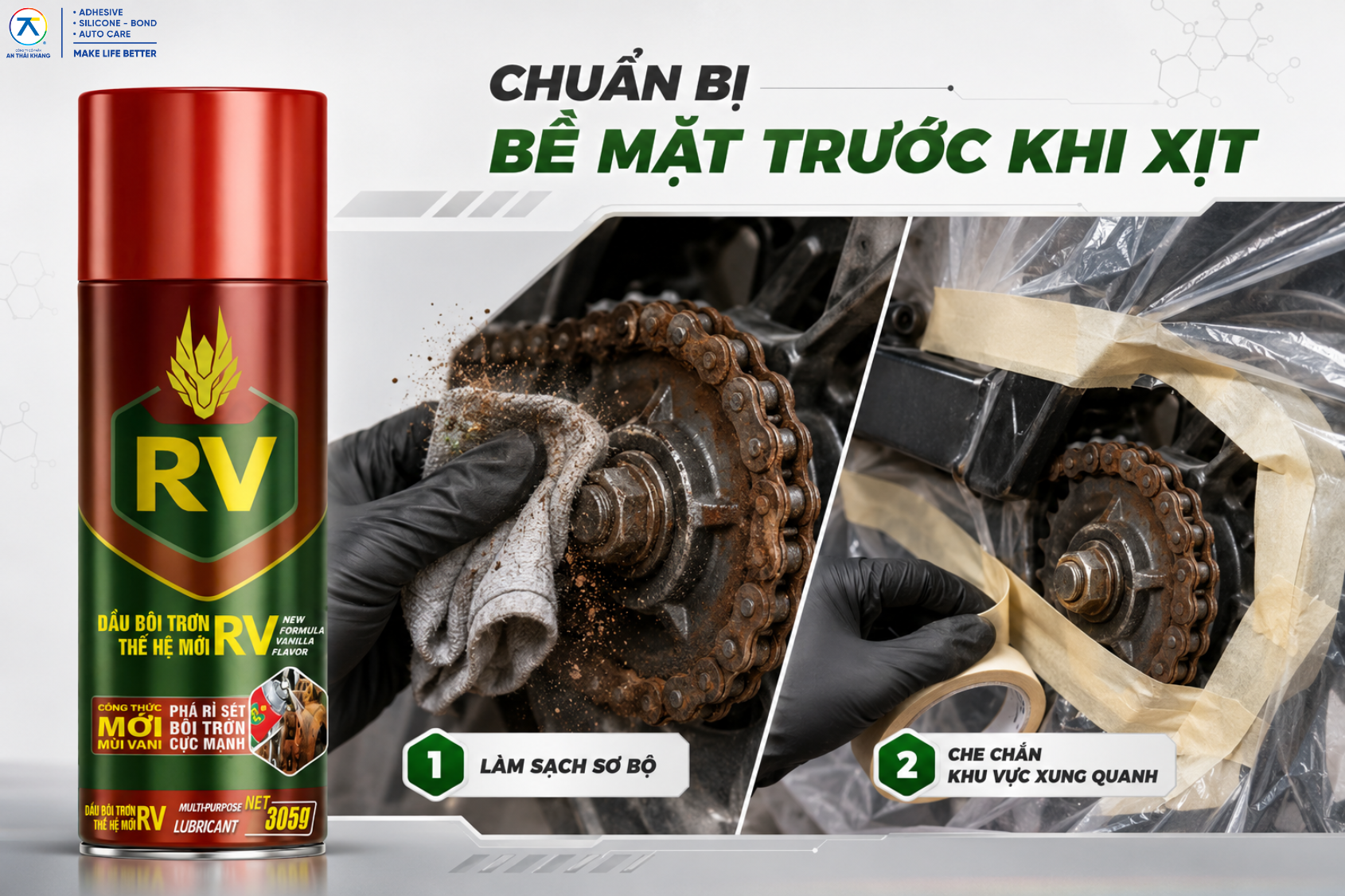
A common mistake when using lubricating or rust-penetrating products is spraying them directly onto a surface without first inspecting or performing basic cleaning.
If the surface is covered with dust, mud, old oil, grease, or heavy contamination, the product may have difficulty reaching the exact area that requires treatment.
Therefore, before using RV Lubricant Spray, users should take a few moments to prepare the working area.
2.1. Remove Loose Dust and Dirt
Use a cloth, small brush, or another suitable tool to remove dust and contaminants that can be easily detached from the surface.
For areas affected by rust, inspect the level of corrosion before proceeding. If rust is limited to a connection point or a narrow gap, a rust-penetrating lubricant spray may be applied directly to the area that needs attention.
However, if a component has already suffered severe corrosion, deformation, or structural deterioration, a lubricant spray should not be considered a substitute for proper repair or component replacement.
2.2. Protect Areas That Do Not Need to Be Sprayed
Another simple but useful tip is to identify areas that should not come into contact with the product.
When working near finished painted surfaces, components, or other materials, surrounding areas can be covered or protected as appropriate, depending on the working conditions and the product instructions.
Controlling the spray area helps keep the application cleaner and reduces the amount of cleanup required afterward.
3. Practical Tips for Using RV Lubricant Spray
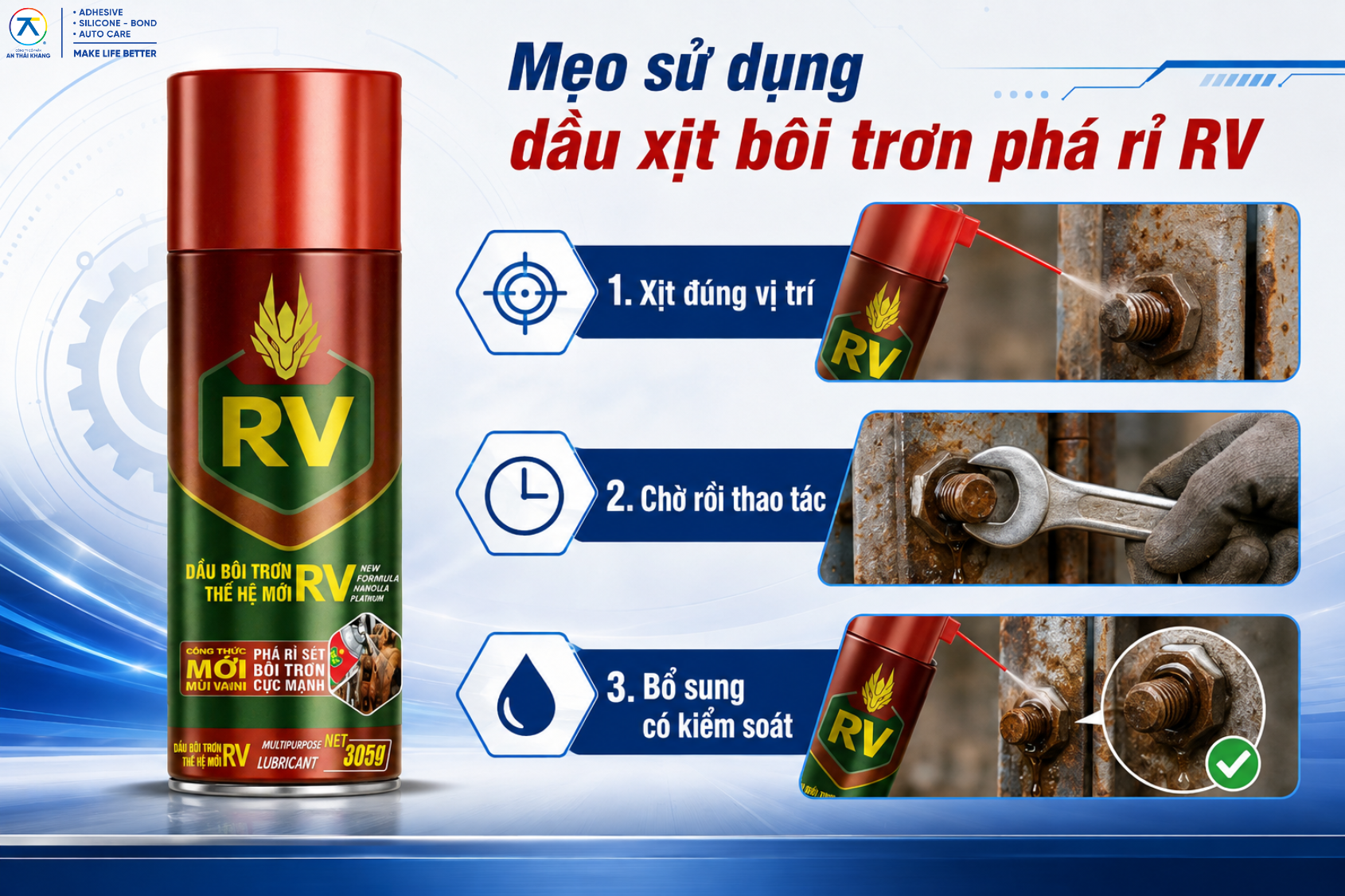
After inspecting and preparing the surface, the next step is to use the product according to its intended purpose.
One important point to remember is that applying more product does not necessarily produce better results. With spray products, accurate application and proper control of the amount used are often more important than covering a large area with excessive product.
3.1. Direct the Spray at the Exact Treatment Point
If the problem is located inside a threaded gap, connection point, or small joint, direct the spray toward that specific area.
This approach is particularly useful for locations between two metal components where applying lubricant directly with conventional tools may be difficult.
Instead of spraying across the entire surface, focus on the area directly associated with the point that requires lubrication or assistance in loosening rusted components.
3.2. Do Not Apply Excessive Force Immediately After Spraying
When dealing with stuck bolts or components, users may be tempted to spray the product and immediately apply strong force with a tool.
A more appropriate approach is to follow the usage instructions printed on the product packaging or provided in the technical documentation. If the manufacturer specifies a particular procedure or waiting period before the next step, those instructions should be followed.
When attempting to loosen the component, increase force gradually and in a controlled manner. If the part still does not move or begins to show signs of deformation, inspect it again rather than continuing to apply greater force.
3.3. Reapply Only When Necessary
If the first application does not fully resolve the problem, inspect the area again before deciding whether additional product is necessary.
Avoid repeatedly spraying simply because there is no immediate result. Rechecking the condition of the component can help determine whether the problem is still caused by rust or friction, or whether it has developed into mechanical damage that requires another solution.
For users who regularly maintain tools, equipment, or metal components, developing a routine of inspect first – apply to the right area – inspect again after treatment can make maintenance more systematic and controlled.
4. When to Consider Using a Lubricant and Rust Penetrant Spray
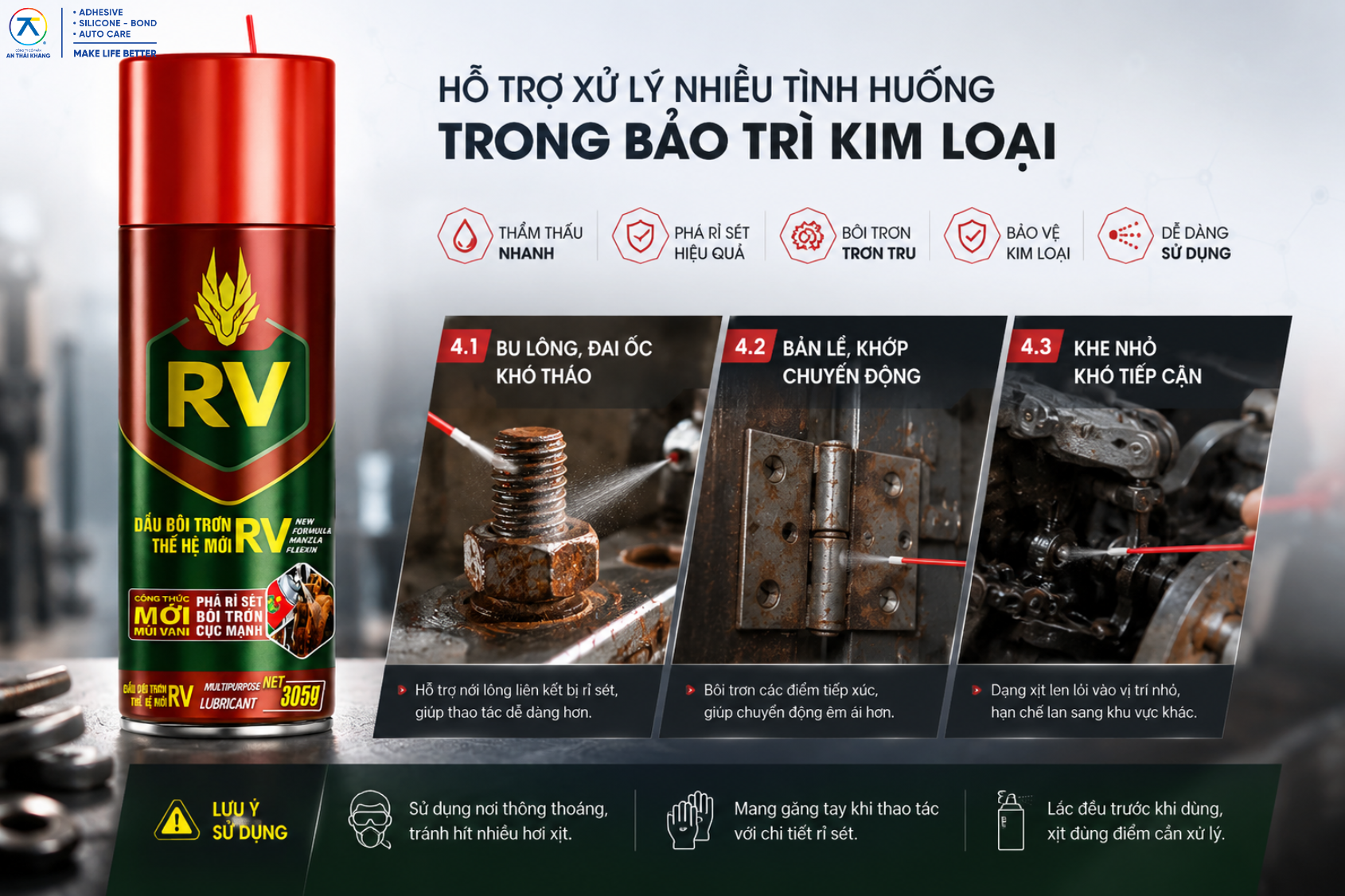
A lubricant and rust penetrant spray can be considered for various situations involving metal components, but it is important to understand the limits of the product.
It can support maintenance and handling in suitable areas, but it does not replace repairs for components that have already suffered serious structural damage.
Common situations may include bolts or nuts that are difficult to remove, threaded connections that have not been operated for a long time, hinges that no longer move smoothly, metal joints requiring lubrication, or connection points where rust is interfering with operation.
4.1. Bolts and Nuts That Are Difficult to Remove
This is one of the most common situations encountered during equipment maintenance.
Before applying significant force, inspect the threaded connection for signs of rust. Where appropriate, the spray can be applied to the connection area to support the loosening process.
Using the correct size of tool and applying force in a controlled manner remain essential. RV Lubricant Spray is one part of the maintenance process and does not replace proper mechanical handling.
4.2. Hinges and Moving Joints
When a hinge or metal joint becomes difficult to move, clean away dust and debris before determining whether additional lubrication is needed.
If a lubricant spray is used, focus the application on the contact and movement points rather than coating the entire outer surface.
After application, gently operate the component to check its movement. If unusual sticking continues, inspect the part for possible bending, misalignment, or mechanical damage.
4.3. Small and Hard-to-Reach Areas
One practical advantage of a spray format is its ability to deliver product into areas that are difficult to reach by hand or with conventional lubrication tools.
However, the smaller the application area, the more important spray direction and control become. Accurate application helps prevent the product from spreading to surrounding areas where it is not required.
Learn more about the product here.
5. Conclusion: Proper Use Starts with Controlled Application
RV Lubricant Spray is a practical option for maintenance, lubrication, and applications that require support in loosening rusted metal components such as bolts, nuts, hinges, joints, and other hard-to-reach areas.
To use RV Lubricant Spray effectively, start by performing basic surface cleaning, identifying the exact area that needs treatment, and directing the spray toward the rusted or friction-prone point. Targeted application allows the product to reach the required area more effectively, helps reduce unnecessary overspray, and keeps the maintenance process cleaner.
For components that are stuck or difficult to remove because of rust, RV Lubricant Spray can support the preparation process before further disassembly. After spraying, inspect the component again and apply an appropriate amount of force rather than using excessive pressure immediately.
Thanks to its convenient spray format, the product is also suitable for treating narrow gaps, connection points, and areas that are difficult to reach with conventional lubrication methods. For this reason, RV Lubricant Spray is a practical choice for routine repair, maintenance, and care of metal equipment and components.
When using the product, focus on three key principles: clean the surface, spray the correct area, and control the amount applied. Following these steps can help users make better use of the lubricating and rust-penetrating properties of RV Lubricant Spray while keeping maintenance work more efficient, controlled, and convenient.
AN THAI KHANG JSC
- • Fanpage: An Thái Khang JSC
- • Hotline: 0764 644 245
- • Email: support@anthaikhang.com
- • Website: https://anthaikhang.com/