
How Long Does Silicone Sealant Last? How to Use It Effectively to Extend Its Service Life
Silicone sealant can last 5 to 20 years, depending on how and where it is used. This is a common concern in interior work, bathrooms, and outdoor applications.
So what affects the lifespan of silicone sealant, and how can you use it properly to make it last longer? Let’s take a closer look.
1. How long does silicone sealant last in real conditions?
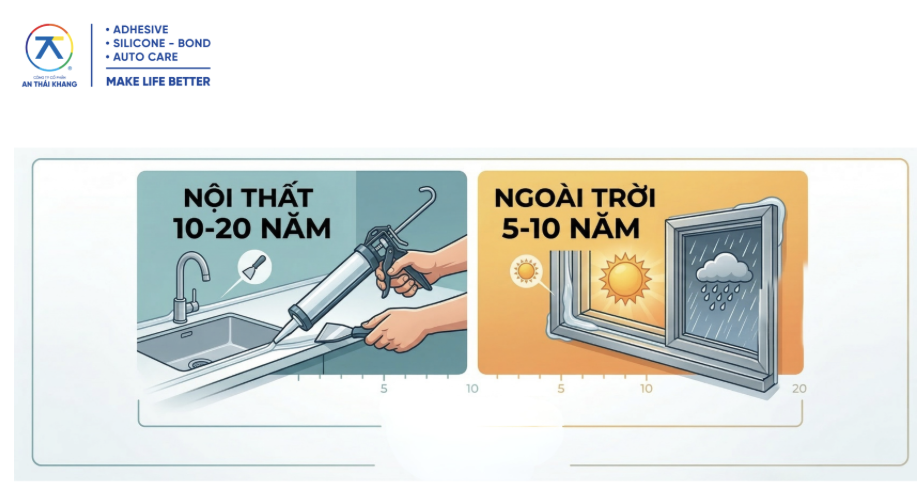
Under normal conditions, silicone sealant typically lasts:
Indoors: around 10–20 years
Outdoors: around 5–10 years due to sun, rain, and UV exposure
However, these are only reference ranges. In practice, the lifespan of silicone sealant depends heavily on the environment and application method. The same product may last for years when used properly, but only a few months if applied incorrectly.
2. Factors that affect silicone sealant durability
2.1 The application environment
high temperatures or frequent temperature changes
high humidity
outdoor UV exposure
These factors can cause silicone to age faster, crack, or lose adhesion.
2.2 The application surface
whether the surface is clean
whether oil, grease, or dust is present
An unprepared surface is one of the main reasons silicone sealant fails early.
2.3 Sealant quality
standard silicone
specialized silicone for mold resistance, heat resistance, or outdoor use
Using the wrong type of sealant can significantly shorten its lifespan.
2.4 Application technique
sealant thickness and consistency
curing time and application conditions
Poor application can reduce elasticity and make the sealant deteriorate more quickly.
3. Silicone sealant durability in different environments
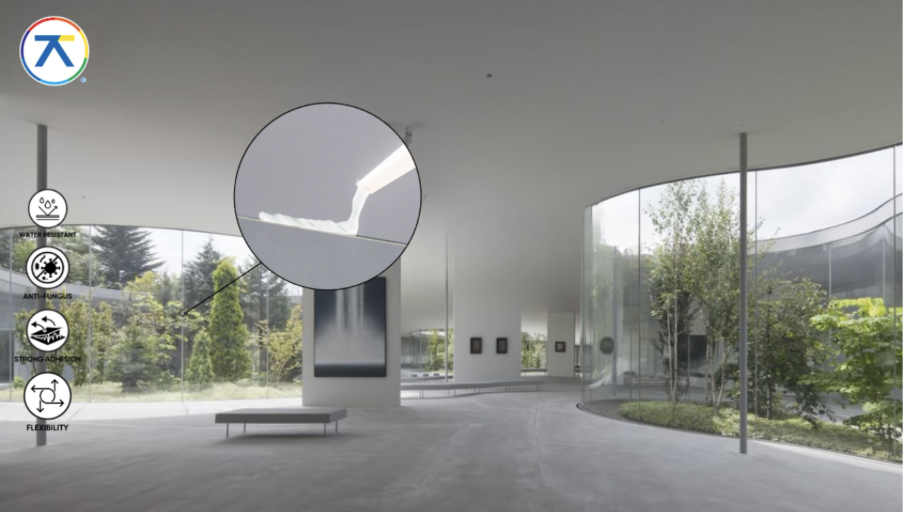
3.1 Indoors
In low-impact indoor environments, silicone sealant can last a very long time. Common applications include:
glass bonding
interior joint sealing
sink sealing
Because these areas are less exposed to harsh conditions, the sealant usually remains durable for years.
3.2 Bathrooms and damp areas
This is a more demanding environment because of constant moisture. If low-quality sealant is used, it may:
develop mold
peel away
discolor
With the right moisture-resistant silicone, it can still perform well for many years.
3.3 Outdoors
Outdoor conditions are the harshest because of:
sunlight
rain
constant temperature changes
Outdoor sealant should have:
UV resistance
weathering resistance
strong flexibility
4. Signs that silicone sealant is starting to fail
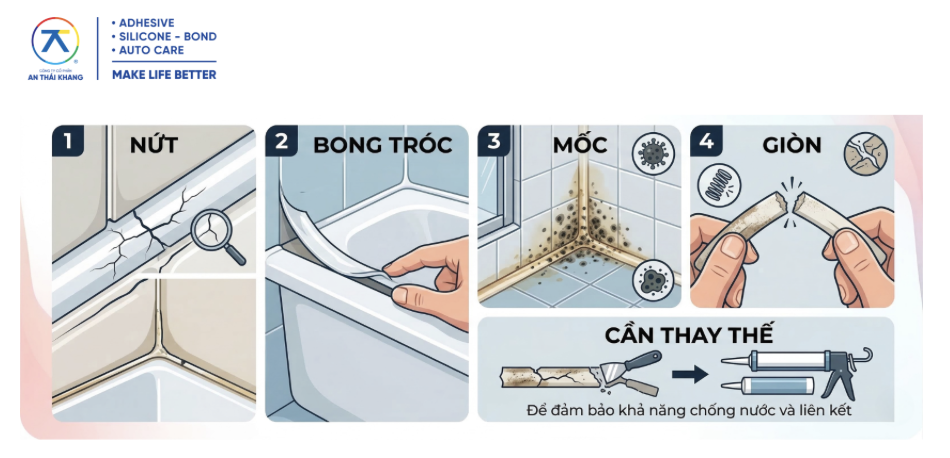
Even durable silicone sealant will eventually show signs of wear. Common signs include:
cracking or shrinkage
separation from the surface
mold or discoloration
loss of elasticity
When these signs appear, replacing the sealant is necessary to maintain waterproofing and bonding performance.
5. How to make silicone sealant last longer
Durability depends not only on the product, but also on how it is used.
5.1 Clean the surface before application
Remove dust, water, and grease to improve adhesion.
5.2 Choose the right type of sealant
Interior use: standard silicone
Bathrooms: mold-resistant silicone
Outdoor use: UV-resistant silicone
This is one of the most important factors affecting service life.
5.3 Apply it correctly
apply the sealant evenly
avoid air bubbles
allow proper curing time
5.4 Avoid early exposure
Do not use the sealed area or expose it to water before the silicone has fully cured.
6. Which silicone sealant should you choose for longer durability?
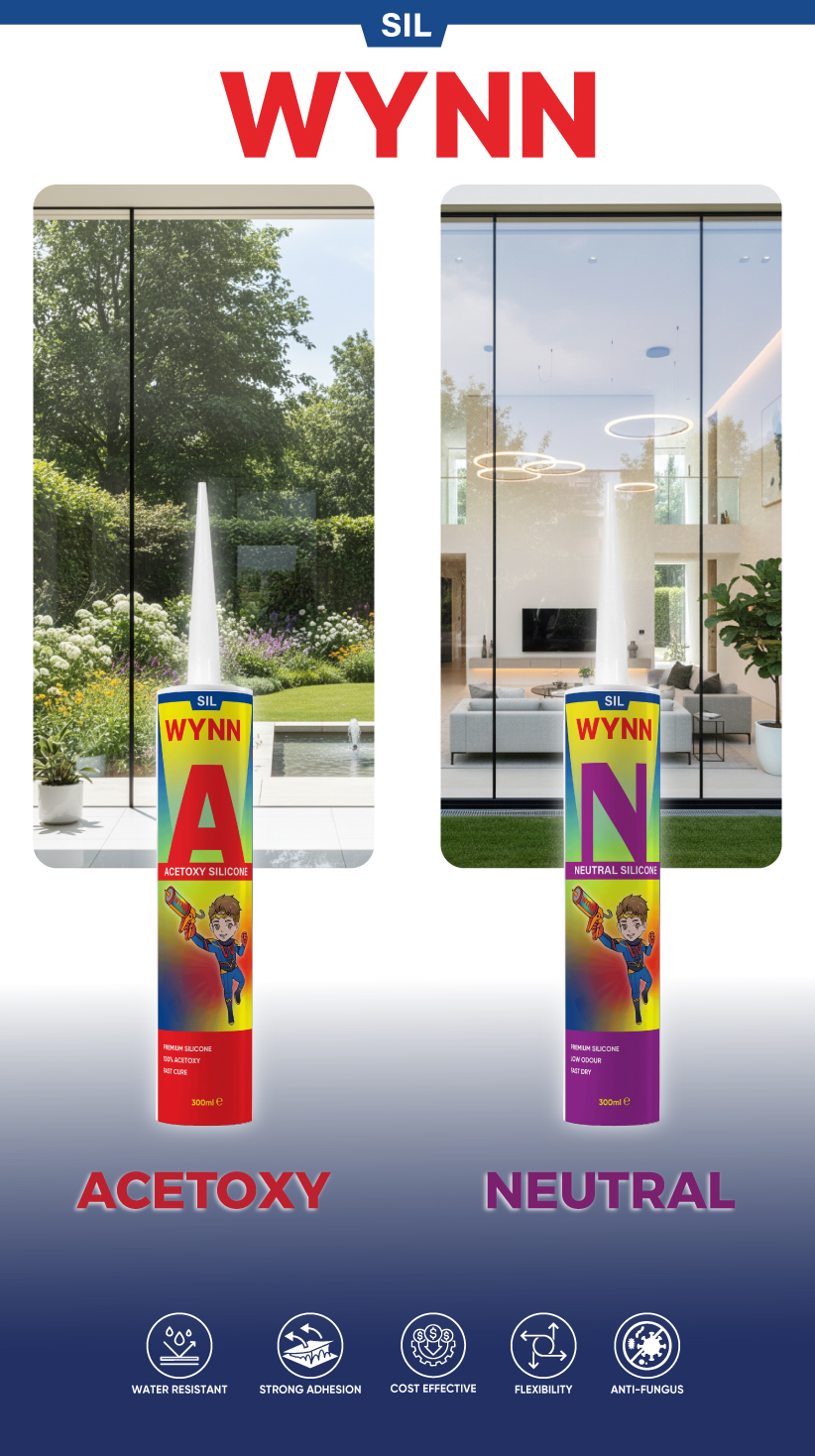
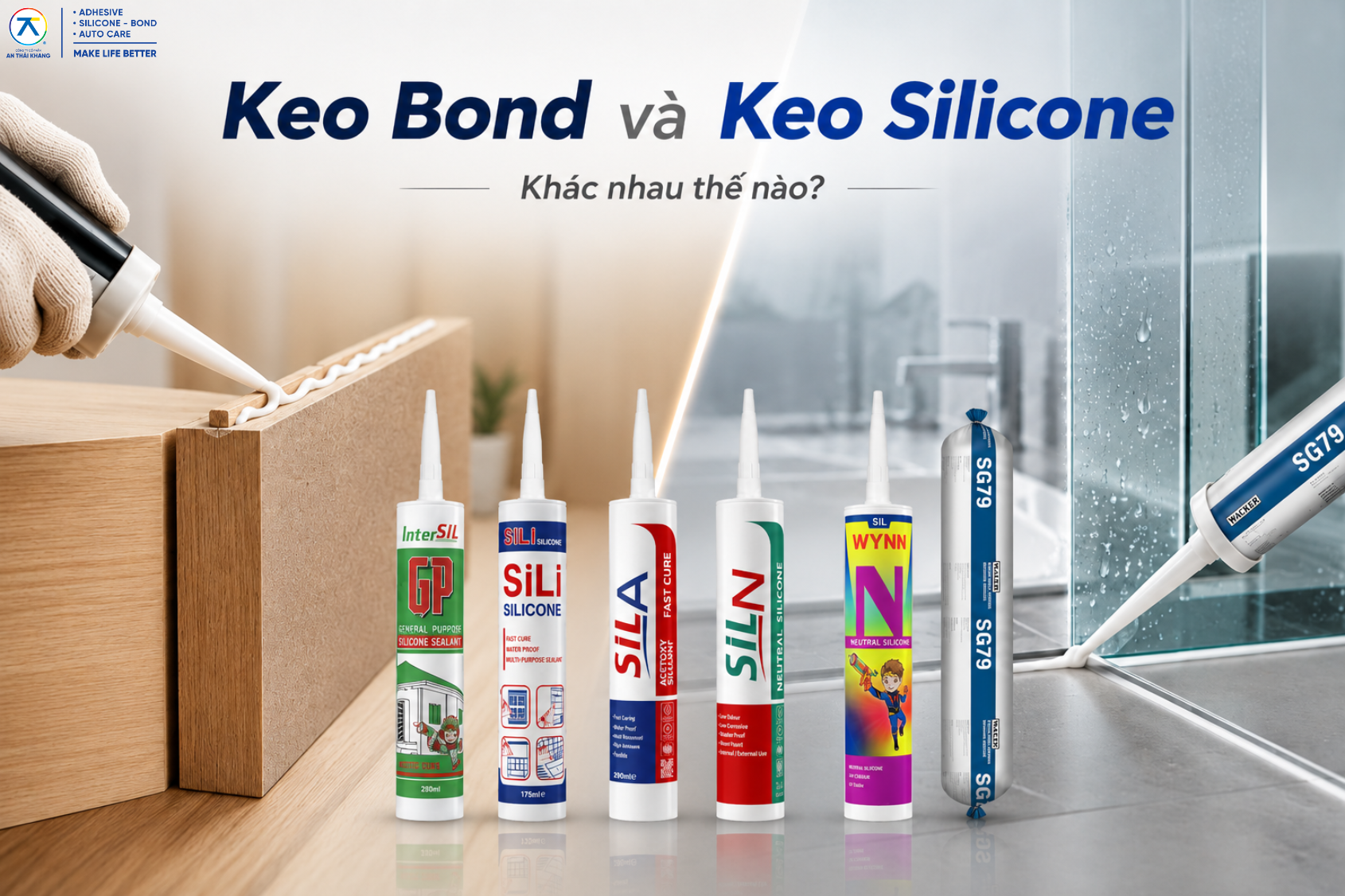
There are many silicone sealants on the market, but not every type is suitable for every purpose. Specialized silicone products are designed for specific environments, helping improve adhesion and reduce peeling over time.
7. When should silicone sealant be replaced?
You do not need to wait until the sealant completely fails. If it starts losing adhesion, develops cracks, or no longer provides good waterproofing, it is time to replace it.
Replacing silicone at the right time helps prevent bigger problems such as water leaks or surface damage.
8. Conclusion
Silicone sealant can last 5 to 20 years, but there is no single lifespan for every case. Its actual durability depends on:
the application environment
the type of sealant
the application method
When the right product is used with the right technique, silicone sealant can provide a long-lasting solution for many applications.
AN THAI KHANG JSC
- • Fanpage: An Thái Khang JSC
- • Hotline: 0764 644 245
- • Email: support@anthaikhang.com
- • Website: https://anthaikhang.com/