
Silicone Sealant Color Chart: How to Choose the Right Color
A silicone sealant color chart helps you choose the right color for glass, aluminum, tiles, aquariums, and interior or exterior projects, with popular options like clear, white, black, gray, and bronze.
Silicone sealant is widely used for joint sealing, glass bonding, gap filling, and surface finishing in construction, interior design, aluminum-glass systems, aquariums, and many residential applications. However, when choosing silicone sealant, many people only focus on adhesion strength or sealant type, such as acid-cure or neutral-cure silicone, while overlooking one important factor: silicone sealant color.
In fact, sealant color directly affects the appearance of the joint, the ability to hide imperfections, the harmony with the base material, and the overall finish of the project. Choosing the right color can make the joint look clean, neat, and seamless. On the other hand, choosing the wrong color can make the sealant line too visible and reduce the professional appearance of the surface, even when the application quality is good.
1. What Is a Silicone Sealant Color Chart?
A silicone sealant color chart is a list of available colors for each product line. It helps users choose the right sealant color for glass, aluminum frames, tiles, walls, or the overall finishing style of the project.
Common silicone sealant colors include:
Clear
Translucent white
Opaque white
White
Black
Gray
Dark gray
Bronze
Each color is suitable for different material groups. For example, clear silicone is often used for glass; white or opaque white works well on light-colored surfaces; black is suitable for dark frames, aquariums, or structural glass; while gray, dark gray, and bronze are commonly used for aluminum, metal, cement, or dark tiles.
One important note is that not every silicone product line offers all colors. Each product has its own color range, so it is important to check carefully before purchasing.
2. Silicone Sealant Color Chart by Product Line
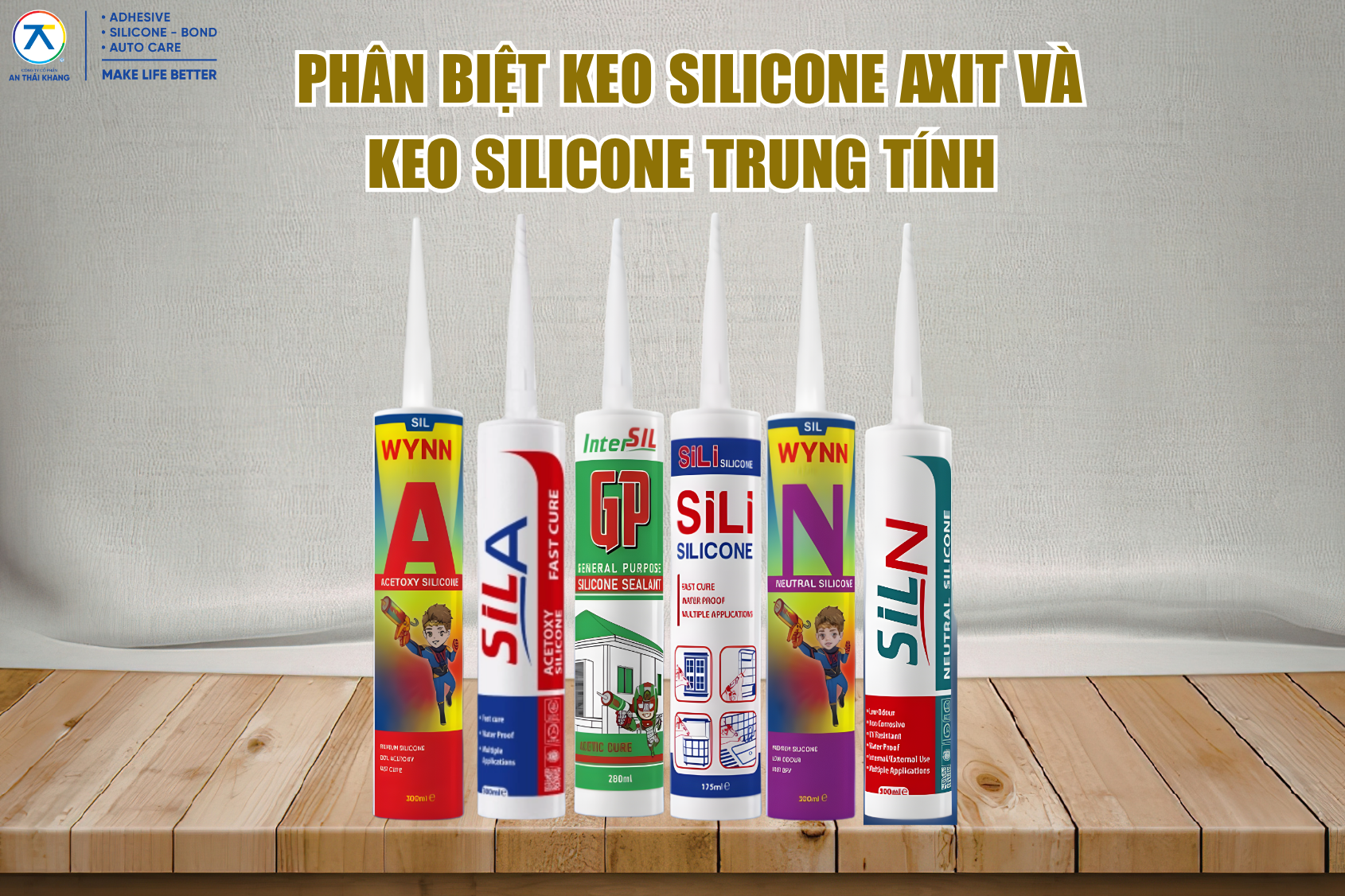
Below is the silicone sealant color chart for several product lines available at An Thai Khang:
Silicone Sealant Product Line | Available Colors |
|---|---|
Silicone GP – Acid-Cure | Clear |
Silicone SILI – Acid-Cure | Clear |
Silicone SIL A – Acid-Cure | Translucent white, opaque white, black |
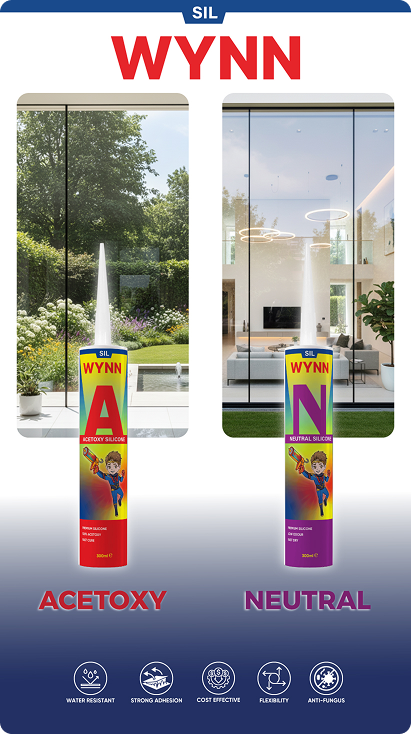
Silicone WYNN A – Acid-Cure | Translucent white, opaque white |
Silicone SIL N – Neutral-Cure | Bronze, black, dark gray, opaque white |
Silicone WYNN N – Neutral-Cure | Dark gray, translucent white, opaque white, black |
Silicone WACKER GP-N | Translucent white, opaque white, gray, black |
Silicone WACKER SG-79 | Black |
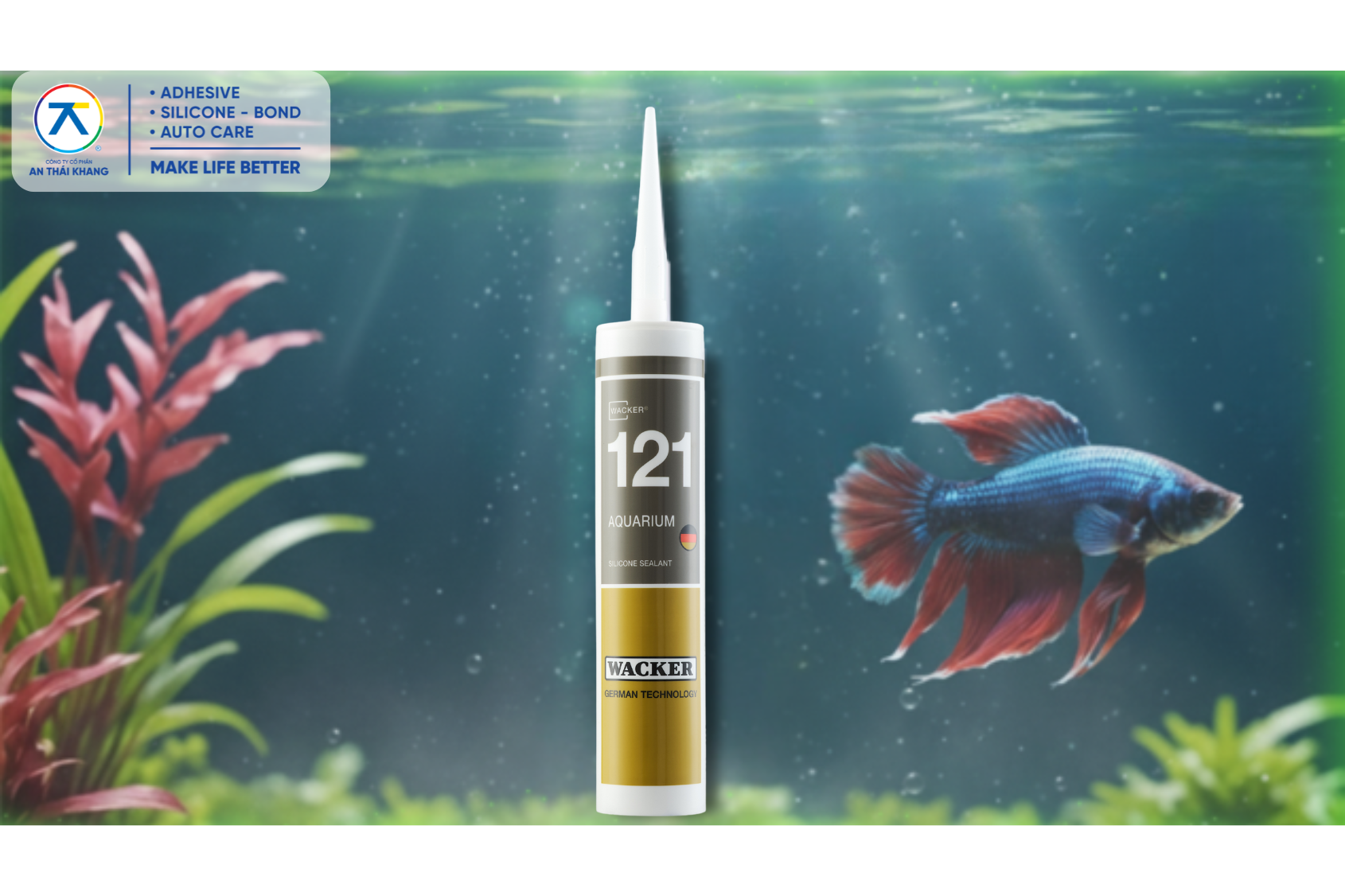
Silicone WACKER 121 | Clear, black |
Silicone WACKER PA | Clear, white, gray, black |
Overall, An Thai Khang’s silicone sealant color range can meet various application needs, from glass bonding and aluminum-glass joint sealing to tile joint finishing, aquariums, glass tanks, and high-durability construction projects.
3. Applications of Each Silicone Sealant Color
Each silicone sealant color has its own advantages. Choosing the right color not only improves the appearance of the sealant line but also makes the overall project look more professional and consistent.
3.1. Clear Silicone Sealant
Clear silicone sealant is suitable for areas where the original color of the base material needs to remain visible. It is commonly used for glass, light-colored surfaces, or areas where the sealant line should be less noticeable.
Clear silicone is often used for:
Glass bonding
Glass joint sealing
Glass door joint finishing
Aquarium and glass tank installation
Areas requiring a clean, subtle, and less visible sealant line
Some product lines with clear color include Silicone GP – Acid-Cure, WACKER 121, and WACKER PA. In particular, WACKER 121 is designed for aquariums, fish tanks, glass tanks, and areas frequently exposed to water.
3.2. Translucent White Silicone Sealant
Translucent white silicone has a light tone that is not too prominent but is still more visible than clear silicone. This color is suitable for projects that require a clean and neat sealant line that matches light-colored materials.
Translucent white is commonly used for:
Light-colored aluminum frames
Glass doors
Windows
Light-colored ceramic tiles
Residential interior joints
Product lines with translucent white include Silicone SILI – Acid-Cure, Silicone SIL A – Acid-Cure, Silicone WYNN A – Acid-Cure, Silicone WYNN N – Neutral-Cure, and WACKER GP-N.
3.3. Opaque White or White Silicone Sealant
Opaque white or white silicone sealant is suitable for bright surfaces, especially walls, tiles, sanitary fixtures, and white door frames. Compared with translucent white, opaque white provides better gap coverage and creates a fuller, more sealed joint appearance.
White or opaque white is commonly used for:
White walls
Light-colored ceramic tiles
Washbasins and sanitary fixtures
Light-colored door frames
Gaps that require better coverage
Product lines with opaque white include SIL A, WYNN A, SIL N, WYNN N, and WACKER GP-N. WACKER PA is available in white.
3.4. Black Silicone Sealant
Black silicone sealant is often used for dark surfaces or areas that require a clear, sharp joint line. This color makes the joint look stronger, cleaner, and more consistent with dark materials.
Black silicone is suitable for:
Black glass frames
Dark metal surfaces
Aquariums and glass tanks
Structural glass
Projects requiring a bold sealant line
Some product lines with black color include SIL A, SIL N, WYNN N, WACKER GP-N, WACKER SG-79, WACKER 121, and WACKER PA. In particular, WACKER SG-79 is a structural glazing silicone sealant available in black.
3.5. Gray, Dark Gray, and Bronze Silicone Sealant
Gray, dark gray, and bronze silicone sealants are suitable for neutral or dark-colored surfaces. These colors are ideal for aluminum, metal, cement, gray tiles, or modern-style projects.
This color group is commonly used for:
Aluminum frames
Metal surfaces
Gray tiles
Cement and concrete
Exterior projects
Areas where dirt should be less visible
Product lines with gray, dark gray, or bronze include SIL N, WYNN N, WACKER GP-N, and WACKER PA.
4. How to Choose Silicone Sealant Color by Application
Choosing the right silicone sealant color should be based on the base color, material type, and aesthetic requirements of each application area.
4.1. Glass Bonding, Glass Sealing, and Aluminum-Glass Doors
For clear glass or light-colored aluminum-glass doors, clear, translucent white, or gray silicone is recommended. If you want the sealant line to be less visible, clear silicone is a safe choice. If you want a more defined and even joint line, translucent white or gray can be considered.
Recommended product lines include Silicone GP – Acid-Cure, SIL A – Acid-Cure, WYNN A – Acid-Cure, WYNN N – Neutral-Cure, WACKER GP-N, and WACKER PA.
4.2. Wall Gaps, Ceramic Tiles, and Interior or Exterior Joints
For walls, ceramic tiles, or tile joints, choose a color that closely matches the base surface. Light-colored surfaces should use translucent white or opaque white. Dark surfaces should use black, gray, or dark gray.
This selection helps the sealant line blend better with the surface, reduces visible joint lines, and improves the overall cleanliness of the application area.
4.3. Aquariums, Glass Tanks, and Water-Exposed Areas
For aquariums or glass tanks, specialized silicone sealant should be prioritized. Clear silicone is suitable when you want a subtle, less visible joint. Black silicone is suitable when you want a stronger, more modern, and more defined border.
WACKER 121 is available in two main colors, clear and black, making it suitable for aquariums, fish tanks, glass tanks, and areas frequently exposed to water.
4.4. Structural Glass and High-Durability Projects
For structural glass applications, silicone should not be selected based on color alone. This type of project requires the correct sealant type, technical specifications, and application conditions.
WACKER SG-79 is a structural silicone sealant designed for structural glazing, curtain wall systems, load-bearing glass walls, and projects requiring high stability. This product is available in black.
5. Important Notes When Choosing Silicone Sealant by Color
When reviewing a silicone sealant color chart, keep the following points in mind:
First, sealant color does not replace sealant function. Color improves aesthetics, but the sealant type determines adhesion, waterproofing performance, and material compatibility.
Second, choose the color based on the application surface. Clear glass should use clear silicone. Light surfaces should use translucent white or opaque white. Dark surfaces should use black or dark gray. Metal, aluminum, cement, and concrete surfaces should use gray, dark gray, or bronze.
Third, test the color before large-scale application. Silicone color may look slightly different when wet and after curing. Testing on a small area first helps avoid color mismatch with the overall project.
Fourth, clean the surface before applying silicone. The surface must be dry, clean, and free from dust, oil, grease, or impurities. This improves adhesion and creates a cleaner finished joint.
6. Quick FAQs About Silicone Sealant Colors
6.1. Which silicone sealant color is the easiest to use?
Clear and translucent white are the easiest colors to use because they match many surfaces, especially glass, light-colored aluminum frames, and areas where the sealant line should be less noticeable.
6.2. Where should black silicone sealant be used?
Black silicone sealant is suitable for black glass frames, dark metal surfaces, aquariums, glass tanks, structural glass, or areas that require a clear and strong joint line.
6.3. Should I choose translucent white or opaque white silicone?
Choose translucent white if you want a lighter and less noticeable sealant line. Choose opaque white if you need better gap coverage or are applying the sealant on a white surface.
6.4. Should I choose silicone sealant only because the color looks good?
No. You should choose the right sealant type based on the material and application environment first, then select the suitable color. For example, aquariums should use specialized aquarium silicone, while structural glass requires structural glazing silicone.
7. Conclusion
A silicone sealant color chart helps users choose the right color for each application area. Common colors include clear, translucent white, opaque white, white, black, gray, dark gray, and bronze.
To choose the right color, consider the base color, application material, and aesthetic requirements. For glass, clear or translucent white is recommended. For light surfaces, choose white or opaque white. For dark surfaces, choose black or dark gray. For aluminum, metal, cement, concrete, or gray tiles, choose gray, dark gray, or bronze.
Most importantly, silicone sealant should not be selected based on color alone. The best result comes from combining the right sealant color, sealant type, application material, and usage environment to create a joint that is both visually clean and long-lasting.
AN THAI KHANG JSC
- • Fanpage: An Thái Khang JSC
- • Hotline: 0764 644 245
- • Email: support@anthaikhang.com
- • Website: https://anthaikhang.com/